




The Face of the Franchise… and the Blame
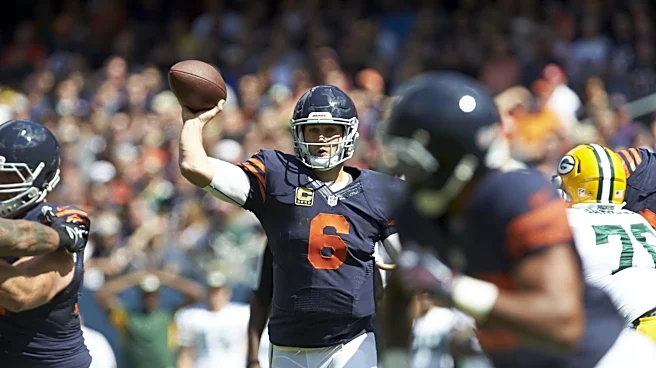
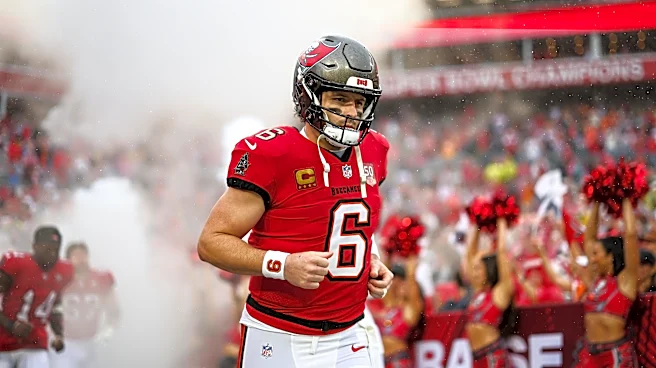
The NFL quarterback is the highest-paid player, the team leader, the face on the poster, and the first person who answers to the media after a loss. When the offense sputters, it’s the QB’s fault. When a game-winning drive ends in an interception, the weight
of the entire stadium falls on his shoulders. He is the central nervous system of the team; every success and failure flows through him. The ball is in his hands on every offensive snap, making him the ultimate catalyst for victory or defeat. This constant, visible agency creates a level of scrutiny unmatched by any other position in American sports. He is both the hero in waiting and the scapegoat in residence.
The Loneliness of the Last Line
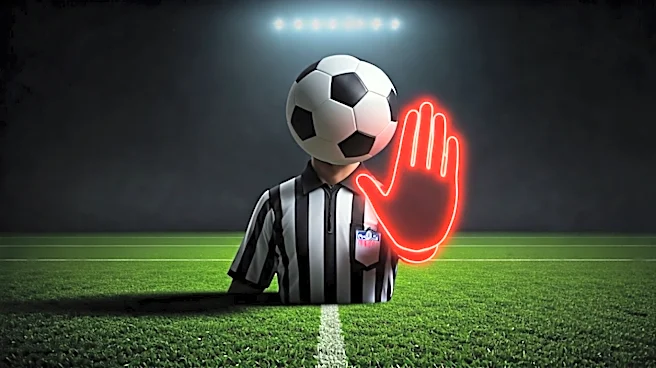
Now, consider the goalkeeper. While a quarterback is surrounded by ten teammates working in concert, the keeper is an island. He stands apart, wearing a different color jersey, often spending long stretches of a match in quiet observation. But this isolation belies the intense psychological burden. Like the QB, he sees the entire field and is expected to direct his defense. But when the action comes his way, it’s a solo performance. A striker can miss a shot, a defender can miss a tackle, but when a keeper makes a mistake, the result is almost always a goal—the most catastrophic outcome in the sport. There is no one behind him to clean up the mess. That singular responsibility, the knowledge that you are the final barrier, creates a unique and crushing pressure.
An Unforgiving Margin for Error
Here lies the most potent parallel. A quarterback can have a statistically mediocre game—completing 60% of his passes with one touchdown and one interception—and still lead a game-winning drive to become a hero. There is room for imperfection within a successful performance. For a goalkeeper, the math is far more cruel. A keeper can make ten brilliant, acrobatic saves, keeping his team in a game they have no business being in. But if, in the 89th minute, he misjudges a cross or lets one soft shot slip through his hands, that is all anyone will remember. Ninety minutes of perfection can be erased by one second of error. The standard isn’t excellence; it’s flawlessness. This binary nature of success—save or goal—is psychologically grueling in a way few other positions in sports can replicate.
The Hero or the Goat
Both positions are defined by their clutch moments. The two-minute drill. The penalty shootout. In these scenarios, the game slows down, the narrative narrows, and the world’s attention focuses on one person. The quarterback, with the game on the line, has the chance to author a legendary comeback. The goalkeeper, facing a penalty taker from 12 yards, holds the entire fate of a championship in his hands. In these moments, there is no middle ground. You either make the throw, or you don’t. You either make the save, or you don’t. The result elevates you to legend status or saddles you with a failure that can follow a career. This hero-or-goat dynamic is the defining feature of both roles, demanding a level of mental fortitude and self-belief that is almost superhuman.