






The Great Equalizer
In open play, a technically superior team can dominate possession, passing their opponents into exhaustion. But all that control vanishes the moment the referee whistles for a foul near the box or a defender concedes a corner. A set piece is a hard reset.
It neutralizes a team's flowing, intricate style and replaces it with a singular, high-stakes event. For underdog nations, these moments are golden opportunities. They might not be able to match a powerhouse's skill over 90 minutes, but they can pack the penalty area with their tallest players and hope to connect with one perfectly delivered ball. Statistics confirm this isn't just a feeling; a significant percentage of goals in major tournaments come from these dead-ball situations, making them a vital tool for teams looking to defy the odds.
A Game Within the Game
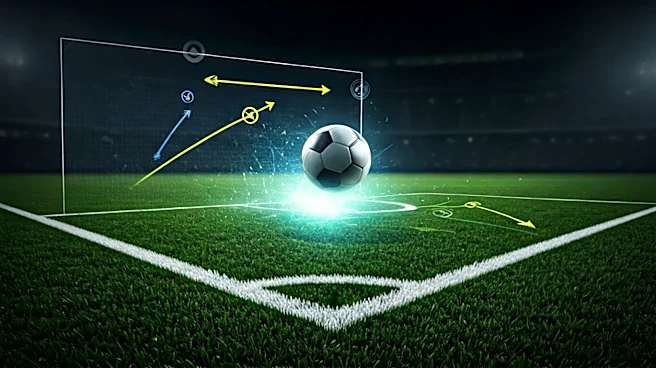
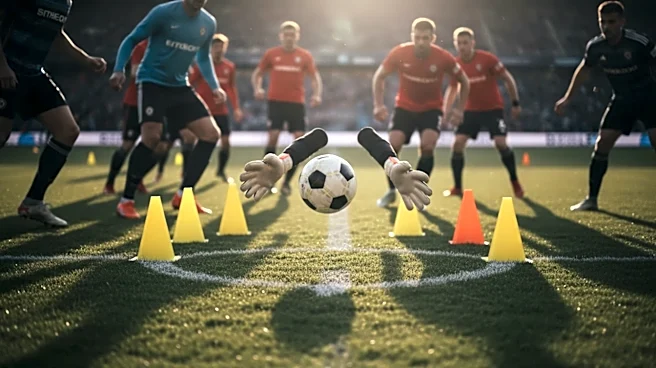
What looks like a frantic scramble in the box is actually a meticulously planned operation. In the modern game, many top-tier clubs and national teams employ specialist set-piece coaches who spend countless hours analyzing opponents and designing offensive and defensive routines. These coaches are the unseen architects of some of the tournament's most dramatic moments. They design blocker movements to create space for a star header, use decoy runs to pull defenders away from a target zone, and devise clever short-corner plays to create overloads on the wing. It's a tactical battle of its own, with each team trying to outwit the other through feints, screens, and surprise movements rehearsed to perfection on the training ground.
Masters of a Dead-Ball World
Set-piece excellence requires two key components: the delivery and the finish. A team needs a player with the technical skill to whip a ball into a dangerous area with pace and spin—the kind of cross that is a nightmare for goalkeepers and defenders to judge. They also need players willing and able to attack that ball, using height, strength, and impeccable timing to get to it first. This has led to an increased appreciation for players who specialize in these moments. The value of a towering central defender who is a menace on corners, or a midfielder who can bend a free kick over the wall, skyrockets in a tournament setting where one goal can be the difference between going home and advancing.
The Ultimate Pressure Cooker
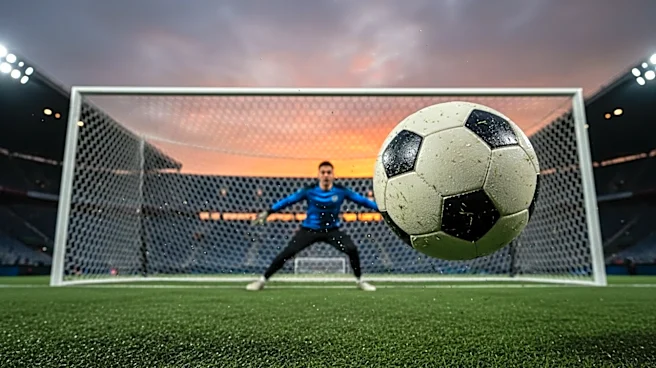
Beyond the tactics, set pieces amplify the psychological drama of a big match. The game stops, the tension builds, and every single person in the stadium and watching at home knows what's at stake. For the attacking team, it's a moment of immense hope; for the defending team, it's a test of concentration and nerve. This is never more true than in a penalty shootout, the most extreme and brutal form of set piece. After 120 minutes of grueling play, the game is decided by a series of one-on-one contests between kicker and goalkeeper from just 12 yards away. It's a format that feels almost cruel in its simplicity, but it provides the ultimate in unpredictability and has created some of the most iconic moments in Soccer Cup history.