



The Trend: More Than Just a Loose Belt
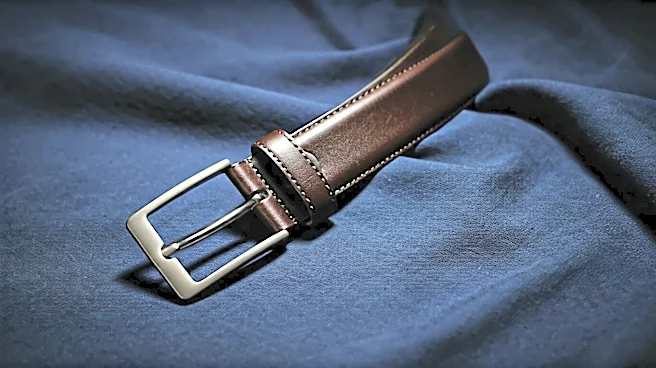
First, let’s be clear: this isn’t about forgetting to tighten your belt after a big lunch. The low-slung belt is a deliberate, carefully executed styling choice seen on the runways of influential brands like Loewe, Dries Van Noten, and Dior Men. Designers
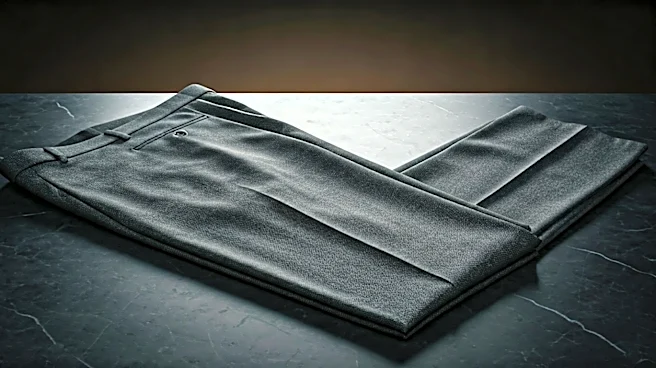
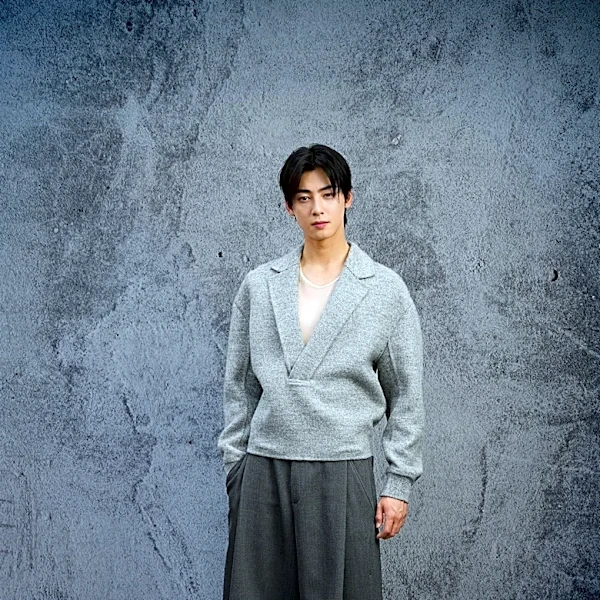
are cinching belts not at the natural waist, but much lower, resting them on the high hip. This causes trousers—whether pleated and tailored or wide-legged and flowing—to slouch slightly, creating a break in the fabric just below the navel. The effect is a dramatically elongated torso and a visually shortened leg line. It’s a statement that fundamentally plays with the wearer’s proportions, often paired with a tucked-in shirt or a cropped jacket to emphasize the dropped waistline.
The 'Proportion Trick' Explained
For decades, the unspoken rule of classic menswear has been to create an illusion of height and strength. Think of high-waisted pants that make legs look a mile long or structured blazers that broaden the shoulders. The low-slung belt does the exact opposite. By visually lowering the body’s midpoint, it creates a long, languid torso and shorter-looking legs. This is the “trick”—a purposeful subversion of traditional masculine ideals. It swaps the V-shaped, athletic silhouette for something softer, more relaxed, and slightly androgynous. It’s less about looking powerful and more about looking nonchalant and artfully unbothered. The focus shifts from flattering the body in a conventional sense to creating an interesting and unexpected shape.
Echoes of Y2K, But With a Twist
For anyone who lived through the early 2000s, the low-slung look might trigger flashbacks of Britney Spears and boot-cut jeans. While the Y2K revival is certainly a factor, this modern iteration is more sophisticated. The original low-rise craze was often about showing skin and was paired with ultra-tight tops and denim. Today’s low-slung belt trend is being applied to high-fashion tailoring. Imagine it on elegant, wide-leg wool trousers or perfectly creased chinos. It’s less about teenage rebellion and more about a considered, high-fashion deconstruction. Designers are borrowing the *idea* of a dropped waist from the 2000s but filtering it through a lens of luxury fabrics and adult tailoring, making it feel more intentional and less overtly provocative.
Why It's So Controversial
The controversy isn’t about morality; it’s about aesthetics and practicality. On one side, proponents see it as a fresh, exciting direction for menswear. It challenges boring, safe silhouettes and pushes fashion forward, embracing a more fluid and experimental approach to the male form. It’s seen as confident and directional. On the other side, critics argue that it’s simply unflattering for the vast majority of men. Unless you’re a six-foot-tall runway model, intentionally making your legs look shorter is a tough sell. Detractors call it sloppy, difficult to wear, and a prime example of a runway trend that has no place in the real world. The debate boils down to a fundamental question: Should clothing primarily serve to flatter the wearer’s body, or should it be a tool for artistic expression, even if it defies conventional beauty standards?