

Understanding the Tall Rectangle
First, let's define the tall rectangle body shape. It's characterized by shoulders, bust, and hips that are relatively similar in measurement, creating a straight, linear silhouette. Often referred to as an "athletic" or "modelesque" build, this frame
is a fantastic canvas. The goal isn't to hide or drastically change your shape, but to enhance it by creating visual points of interest and the illusion of curves. It’s about celebrating your height and elegant lines while adding softness and definition where you want it.
The Core Principle: Creating a Waist
The single most effective strategy for dressing a rectangle shape is to create the illusion of a more defined waist. This is the secret that unlocks a flattering wardrobe. By visually cinching the midsection, you create an anchor point that allows the bust and hips to appear fuller in contrast, moving your silhouette closer to a classic hourglass shape. This doesn't require uncomfortable shapewear, but rather smart clothing choices that do the work for you. Nearly every successful outfit will hinge on this foundational principle.
Shaping the Upper Body
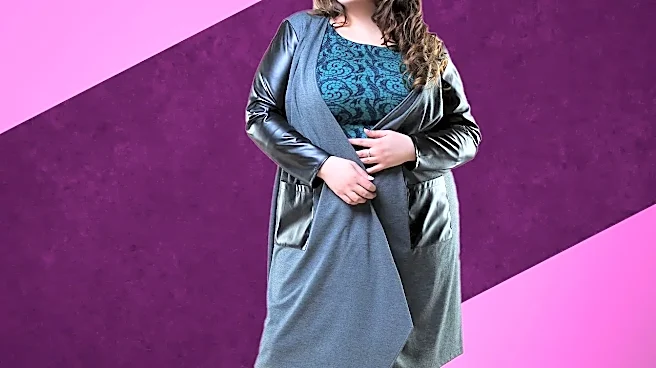
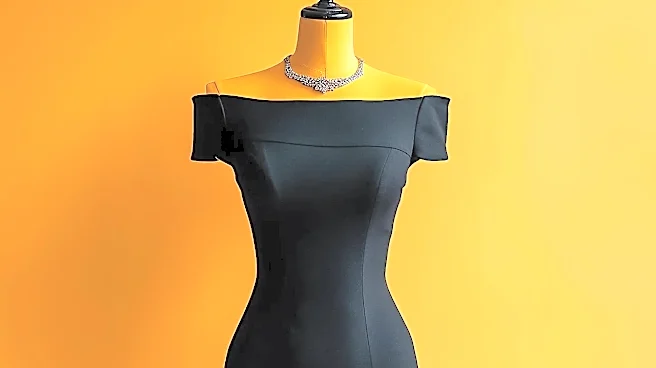
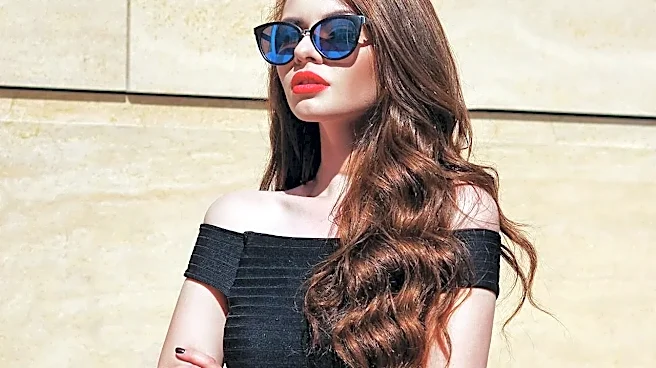
To build shape, focus on adding volume and interest to your top half. This helps create a visual curve leading down to your waist. Opt for necklines like scoop, sweetheart, or off-the-shoulder styles, which broaden the shoulder line. Details such as ruffles, pleating, or embellishments around the bust also add dimension. Don’t shy away from interesting sleeves; puff, bell, or flutter sleeves add volume and break up a straight line. Layering with structured jackets or blazers that are nipped in at the waist is another powerful tool. These pieces create a strong shoulder line while simultaneously carving out a waist.
The Art of the Belt and High Waist
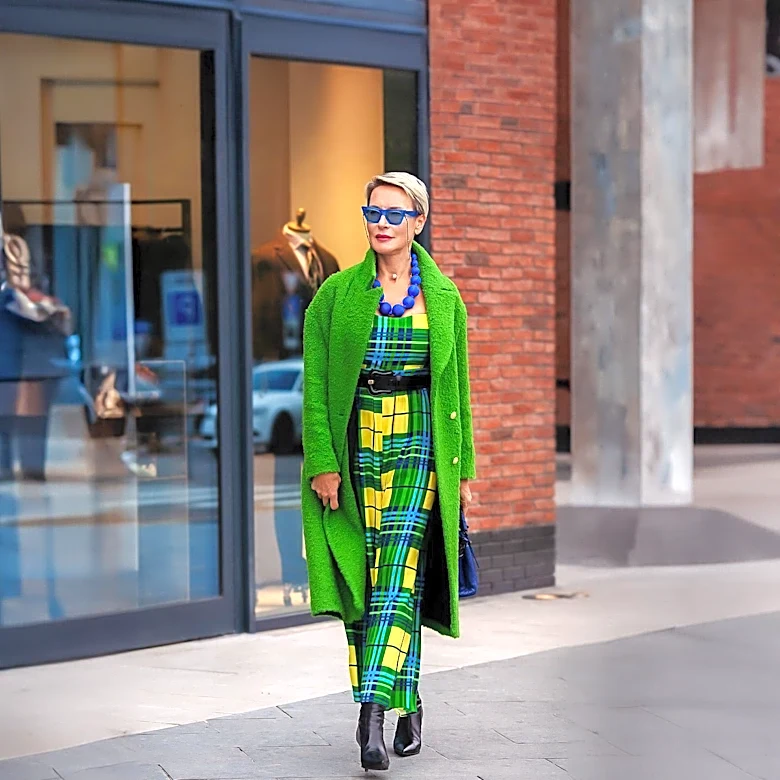
This is where the magic happens. Belts are a rectangle shape's best friend. Using a belt over dresses, cardigans, or even blazers instantly defines your midsection. High-waisted trousers, skirts, and jeans are equally transformative. They draw the eye up to the narrowest part of your torso, creating a waistline even if one isn't naturally pronounced. Wrap dresses and tops are also excellent, as they cinch and drape in a way that creates curves naturally. These aren't just accessories; they are structural tools for your wardrobe.
Balancing the Lower Body
Once you've defined the waist, you can add volume to your lower half to complete the hourglass illusion. Look for skirts that flare out, like A-line or pleated styles, which create fullness around the hips. For trousers, wide-leg, bootcut, and flared styles are incredibly flattering because they balance the shoulders and add movement. Details like pockets or strategic prints on your lower half can also create interest and the appearance of curves. The contrast between a defined waist and a fuller lower body is the key to a beautifully balanced silhouette.
Fabrics and Prints That Work for You
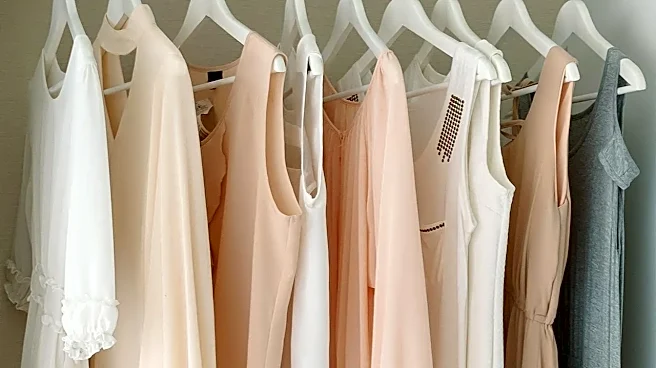
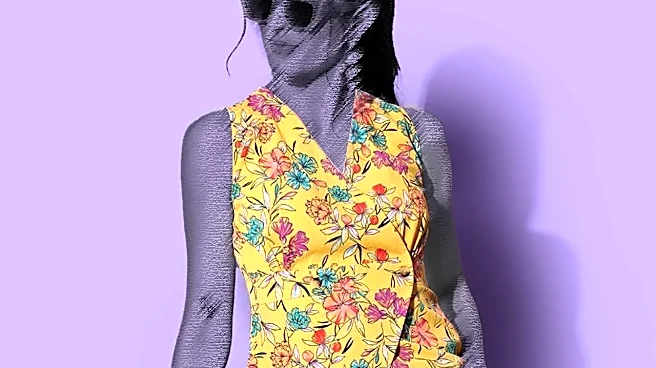
The materials and patterns you choose play a crucial role. Softer, flowing fabrics like chiffon, silk, and lightweight knits add movement and prevent a boxy look. However, don't avoid structured materials; a well-cut linen blazer or denim jacket can provide essential shape. When it comes to prints, use them strategically. Bold florals or geometric patterns can add volume where you want it. Color-blocking can also be used to create visual definition—for instance, a lighter top paired with a darker skirt and a dark belt creates a clear focal point at the waist.