





The Secret Art of Pressing As You Go
In the world of garment making, 'underpressing' is a term for pressing seams and components during the construction process, not just ironing the whole thing at the end. It's the difference between gliding an iron back and forth to chase wrinkles and deliberately
using heat and pressure to shape the fabric. While ironing is a chore done before you wear something, underpressing is an active part of creating it. Think of it as a conversation with the fabric. Each time you sew a seam, you press it. This sets the stitches into the fabric fibers, making them less prominent and more integrated. It also ensures pieces lie perfectly flat for the next step, improving your accuracy and making assembly far easier. Without it, you're fighting against bulky, uncooperative seams at every turn.
The Magic of a Clean Edge
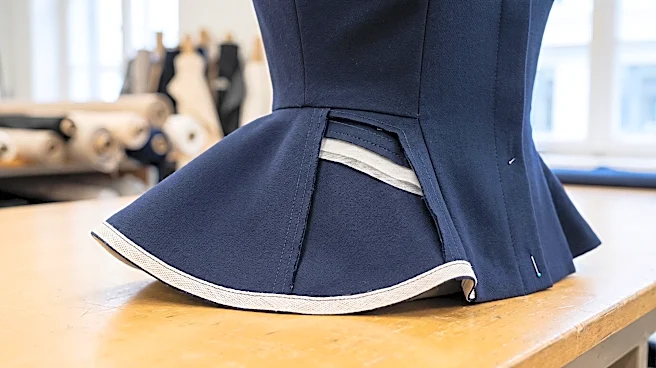
The primary magic of underpressing happens at edges that have facings or linings, like necklines, armholes, and some waistbands. A facing is a piece of fabric used to finish a raw edge, which is then turned to the inside. If you just sew and turn, the facing will constantly try to roll to the outside, peeking out and screaming 'I made this myself'. Underpressing solves this. After sewing the seam that attaches the facing, you press both the facing and the seam allowances away from the main garment. This simple action 'trains' the seam to roll slightly toward the inside. The result is a crisp, sharp edge where the main fabric is the only thing visible from the outside. This process is often followed by 'understitching'—a line of stitching on the facing close to the seam—which permanently holds this roll in place.
Tools for a Professional Finish
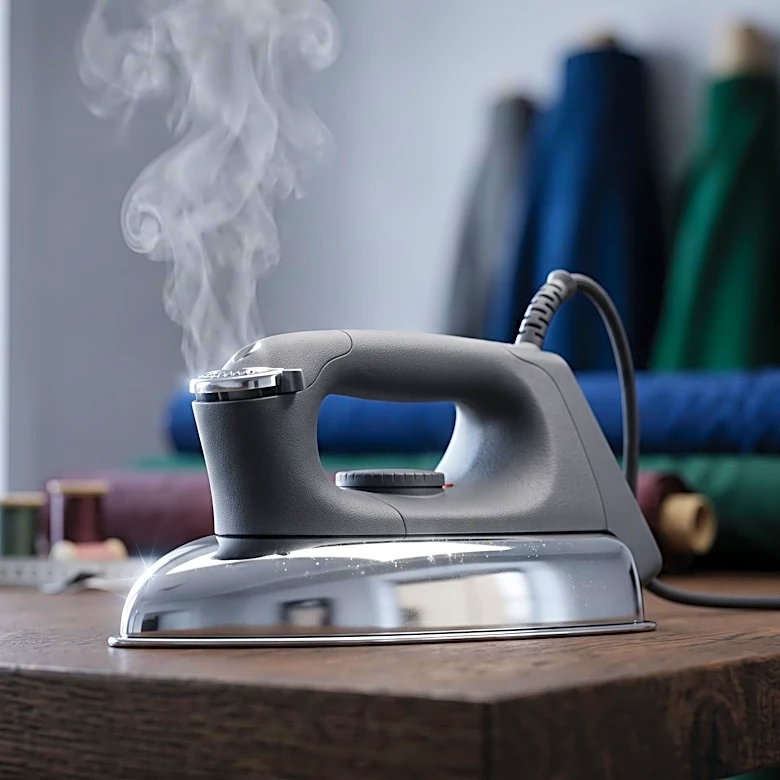
You don't need a factory's worth of equipment, but the right tools make a world of difference. A good steam iron is non-negotiable. Heat and moisture work together to relax fabric fibers, allowing them to be reshaped. A sturdy ironing board is your foundation. But to level up, you’ll want a few specialists. A tailor's ham is a firmly stuffed cushion that allows you to press curved areas like darts, collars, and sleeve caps, molding them into three-dimensional shapes that fit the human body. A seam roll, or sleeve board, is a smaller, cylindrical tool perfect for pressing seams open without leaving an imprint of the seam allowance on the right side of the fabric. Finally, a pressing cloth—a simple piece of cotton or wool—protects delicate fabrics from the direct heat of the iron, preventing shine and scorching.
Beyond a Step, It’s a Mindset
Embracing underpressing fundamentally changes how you approach sewing. It transforms the process from a race to the finish line into a deliberate, piece-by-piece construction. Getting up to press each seam might feel tedious at first, but the payoff is immediate. Your next steps become easier and more accurate because the piece you're working with is perfectly flat and stable. This habit is the single most effective way to elevate the quality of your work. It's the craftsperson's secret, hiding in plain sight. Garments that have been properly underpressed throughout their construction require very little final pressing. They simply hang correctly, with clean lines and sharp details, because they were built that way from the inside out.