





The One-Sided Friendship You Didn't Know You Had
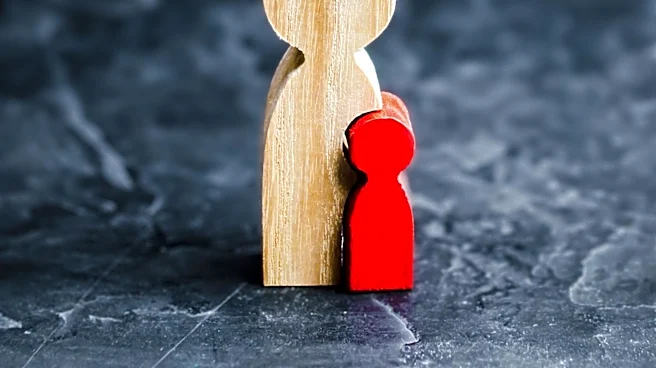
The primary reason these moments hit so hard is a concept called 'parasocial relationships.' [1] Coined in the 1950s, this term describes the one-sided emotional bond we form with media figures. [2] Through decades of watching an actor in films, listening
to a musician's albums, or following a public figure's career, we build a sense of intimacy and familiarity. [4, 5] Our brains process this repeated exposure over time, creating an 'illusion of intimacy' that feels surprisingly real. [1] Though we know it’s not a real-world friendship, the emotional investment is genuine. [4] When a celebrity dies, our brain doesn't neatly separate the parasocial bond from a real one, and the grief we feel can be similar to losing someone we actually knew. [3, 10] These tributes, therefore, aren't just memorializing a distant star; they're acknowledging the end of a relationship that existed, very powerfully, in our own minds.
A Potent Cocktail of Nostalgia and Memory
Award show tributes are masterclasses in weaponizing nostalgia. The montages are rarely just a string of film clips; they are carefully curated journeys through our own pasts. [8] The music, film scenes, and personas featured in a tribute can transport us back to specific moments in our lives: the movie we saw on a first date, the album that got us through college, or the TV show we watched with our family. [9] Psychologists note that nostalgia is a potent, often bittersweet emotion that connects our personal history with a larger cultural one. [13, 14] By tapping into these shared cultural memories, the tribute creates a powerful sense of community and shared experience. [3, 8] It’s a reminder not just of the person who passed, but of the eras they helped define and, by extension, the person we used to be. That connection to our own past amplifies the sense of loss.
Confronting Mortality from a Safe Distance
The annual 'In Memoriam' segment is, at its core, a mass confrontation with death. This taps into a psychological principle called 'mortality salience'—the awareness that death is inevitable. [18, 19] Tributes to celebrities, who often seem 'larger than life,' serve as a stark reminder of our own vulnerability. [3, 9] However, the format provides a structured, safe, and communal way to process these uncomfortable thoughts. [15] Unlike the raw, personal grief of losing a loved one, mourning a celebrity is a shared ritual that offers a sense of collective empathy. [3, 15] We can touch the profound and scary topic of mortality, but through the buffer of a screen and alongside millions of others, which makes the experience more manageable and even cathartic. The tribute becomes a space to reflect on life and loss without being overwhelmed by it.
The Power of Shared Emotion
Finally, you’re emotional because everyone else is emotional, too. This phenomenon, known as 'emotional contagion,' is particularly powerful in the age of social media. [25] During an award show, live-tweeting and instant commentary create a digital echo chamber of feeling. [27, 28] When you see feeds flooded with heartfelt reactions, your own emotional response is validated and amplified. [25] Studies have shown that exposure to emotional content online can directly influence our own emotional state. [29] A positive post is more likely after seeing other positive posts, and the same holds true for negative or sad feelings. [27, 28] The shared viewing experience, whether in a living room or on a global social network, creates a powerful feedback loop. The collective gasp, the shared tear—it all combines to make the moment feel more significant and personally affecting.