






The Foundation: It Starts With the Base Metal
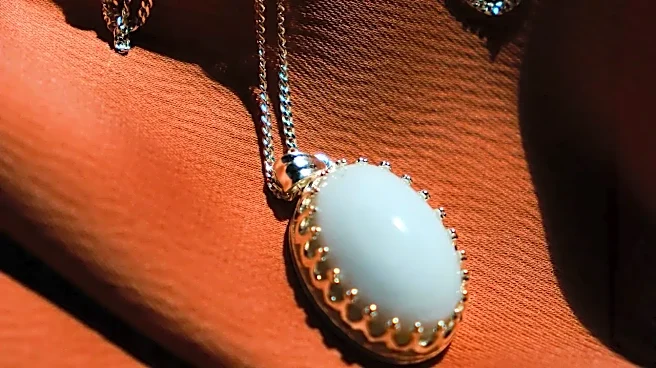
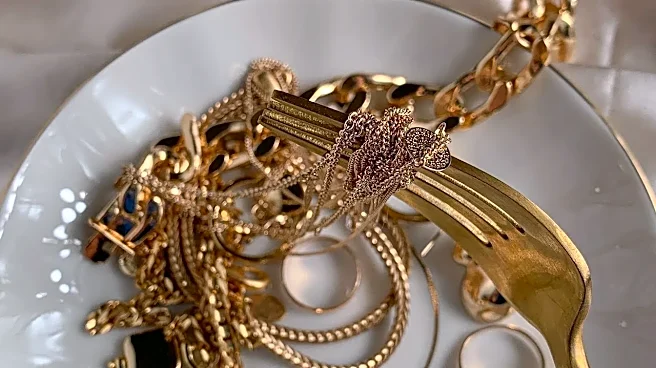
At first glance, a gold vermeil necklace and a gold-plated one can look identical. The most crucial difference, however, lies hidden underneath the shiny exterior. For a piece to be legally called "vermeil" in the United States, it must have a sterling
silver base. Sterling silver, made of 92.5% pure silver, is a precious metal in its own right, making vermeil hypoallergenic for most people and adding intrinsic value to the piece. Gold-plated jewelry, on the other hand, typically uses a cheaper base metal like brass, copper, or stainless steel. While this makes plated pieces more affordable upfront, these base metals can sometimes cause skin discoloration and are generally less valuable.
The Gold Standard: Thickness and Purity
The second major distinction is the thickness and quality of the gold layer itself. U.S. regulations mandate that gold vermeil must be coated with at least 10-karat gold that is a minimum of 2.5 microns thick. To put that in perspective, standard gold plating can be as thin as 0.5 microns, meaning a vermeil piece can have a gold layer five times thicker than a typical plated item. This thicker coating isn't just for show; it dramatically impacts how the jewelry wears over time. The gold on a vermeil piece is far more durable and less likely to rub off with frequent use. While both are created through a process called electroplating, the regulated standards for vermeil ensure a higher quality, more consistent product.
Durability and Longevity: How They Wear
This is where the differences become most apparent to the owner. Because gold-plated jewelry has such a thin layer of gold over a base metal like brass or copper, it can wear away quickly with daily wear, friction, and exposure to oils or lotions. When the gold wears off, the base metal underneath is exposed, which can lead to tarnishing or the dreaded green tint on your skin. Gold vermeil, with its thick layer of gold over a sterling silver core, is far more resilient. While it's not impervious to wear, it will maintain its golden luster for years with proper care. If the gold layer eventually does wear down, it reveals the sterling silver beneath, which is still a valuable and attractive metal, unlike brass or copper.
Price vs. Value: What Are You Paying For?
Gold-plated jewelry is the undisputed champion of low upfront cost, making it perfect for trendy, seasonal pieces you don’t intend to wear for years. You can experiment with bold styles without a major financial commitment. Vermeil jewelry costs more than plated alternatives but is significantly more affordable than solid gold. The price reflects the precious materials used: a sterling silver core and a substantial layer of real gold. Think of it as a value proposition. With vermeil, you are paying for a piece that bridges the gap between fast-fashion costume jewelry and fine jewelry, offering a durable, high-quality finish that is designed to last.
How to Shop Smart
When you're shopping, the labels are your best friend. Reputable sellers will be transparent about their materials. Look for a "925" stamp, which indicates a sterling silver base, a key component of true vermeil. The product description should explicitly state "gold vermeil" and ideally mention the gold thickness (at least 2.5 microns) and karat (10k or higher). If a description is vague, using terms like "gold finish" or if the price seems too good to be true for vermeil, it's likely standard gold plating. Another simple test you can do at home is with a magnet; gold and sterling silver are not magnetic, so if the piece is attracted to a magnet, its base is likely an industrial metal, not sterling silver.