


The Science of a Bulletproof Finish
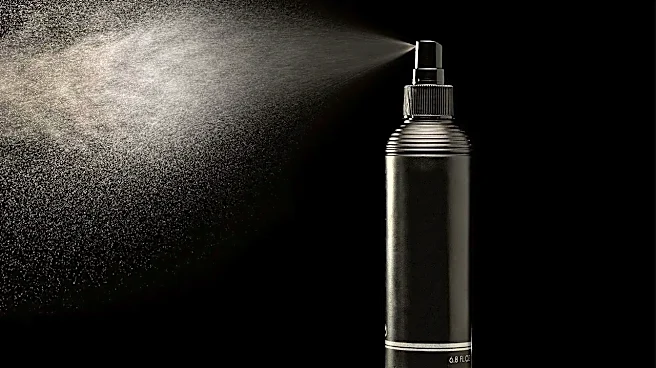
At its core, a makeup setting spray is designed to do one thing: create a shield over your makeup to prevent it from smudging, fading, or sliding. The most effective versions of these, often called "fixing sprays," rely on ingredients called polymers.
These are long molecules that, when dry, link together to form a flexible, invisible film that locks everything in place. The magic question is how to get those polymers onto your face in a thin, even layer without a sticky, wet mess. This is where a specific type of alcohol, usually listed as SD Alcohol or Alcohol Denat., comes into play. It acts as a solvent, keeping the polymers dissolved in the bottle and ensuring they spray out as a fine mist.
Why It Excels for Outdoor Wear
The key benefit of using this type of alcohol in a formula is its volatility—meaning it evaporates almost instantly upon contact with your skin. When you’re dealing with outdoor conditions like heat, humidity, and sweat, this rapid drying time is a massive advantage. As the alcohol flashes off, it leaves the polymers behind to quickly form that protective, transfer-resistant film. This process helps create a more robust barrier against moisture than slower-drying, water-based formulas might provide. For formulators designing a product meant to be "sweatproof" or for all-day wear at a wedding or festival, alcohol is the most efficient ingredient to deliver that high-performance, long-lasting hold that consumers expect.
The Downside: Dryness and Irritation
Of course, there’s a reason alcohol in skincare gets a bad rap. The same quick-drying properties that make it so effective can also be extremely drying and potentially irritating, especially for those with already dry, sensitive, or compromised skin. This type of alcohol can strip the skin of its natural oils and disrupt its moisture barrier, which is why some people experience a tight or uncomfortable feeling after using an alcohol-heaving spray. Beauty formulators are well aware of this trade-off. To counteract the drying effects, they often include hydrating and soothing ingredients—known as humectants—like glycerin, aloe vera, or hyaluronic acid in the formula to help replenish moisture and comfort the skin.
What About Alcohol-Free Sprays?
The demand for gentler products has led to a boom in alcohol-free setting sprays. So, how do they work? Instead of alcohol, these formulas are typically water-based and may rely on different types of polymers or higher concentrations of hydrating ingredients to set makeup. While they are a fantastic option for sensitive and dry skin types, they come with their own set of considerations. Alcohol-free sprays generally take longer to dry and may sometimes feel tackier on the skin as they set. While they can effectively meld makeup layers together for a less powdery finish, they often don't provide the same level of indestructible, waterproof hold as their alcohol-based counterparts, making them better suited for everyday indoor use rather than extreme outdoor conditions.