






The Archetype of Composure
You can’t talk about grace under pressure without talking about Tom Brady. His masterpiece, Super Bowl LI, remains the benchmark for athletic poise. Trailing 28-3 against the Atlanta Falcons, with the world expecting collapse, Brady became a study in tranquility.
On the sideline, he was seen talking to teammates, not with panic, but with focused resolve. In the huddle, his demeanor was unchanged. Teammates later described him as being as cool and collected as he is in a light practice. That comeback wasn't just a physical feat; it was a psychological dismantling of chaos. Brady’s calmness wasn't an absence of stress but a focused channeling of it. His slow heart rate in the pocket became a force multiplier, allowing him to see the field, make precise reads, and lead a historic 91-yard tying drive before winning in overtime. This is the core of weaponized calm: it radiates through a team, silencing doubt, while simultaneously unnerving an opponent who expects, and even feeds on, your panic.
Calm on the World's Biggest Stage
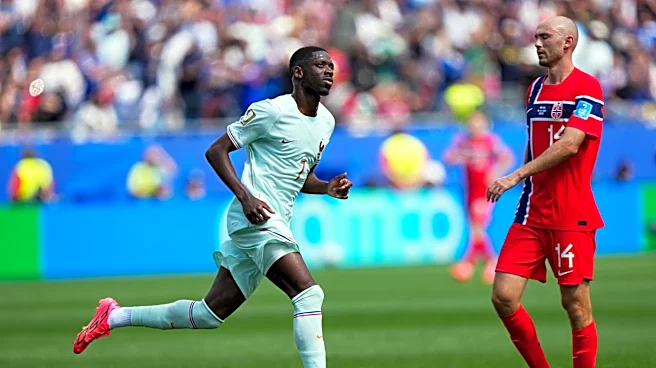
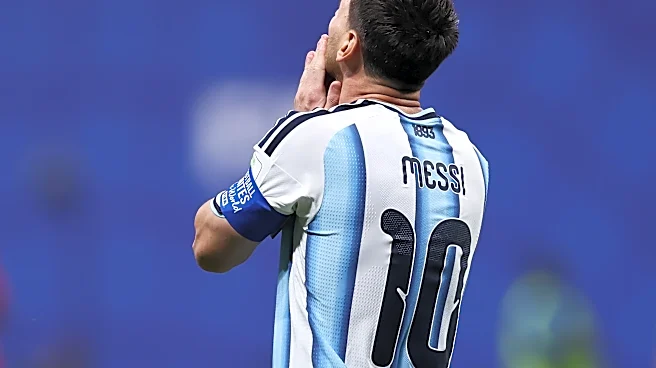
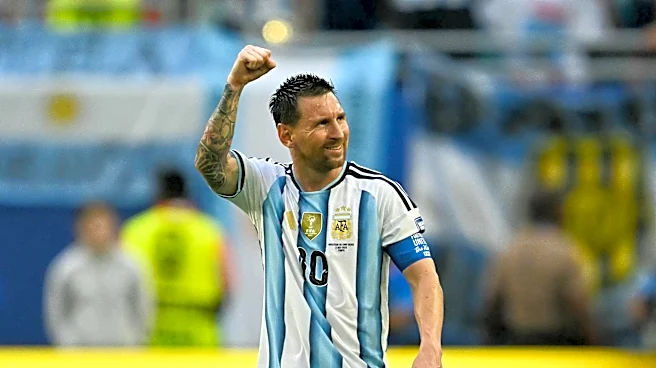
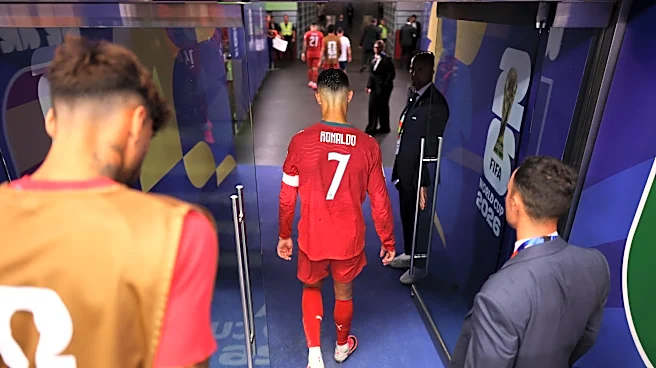
The 2026 World Cup, hosted across North America, provided a fresh canvas for this principle. In the knockout rounds, where a single mistake can end a nation's dream, composure is everything. Look at Argentina's Round of 16 match against Egypt. Down 2-0 late in the game after Lionel Messi had missed a penalty, panic was the logical response. Instead, the defending champions found a startling clarity. They mounted a furious comeback, scoring in the 79th, 83rd, and 93rd minutes to snatch a 3-2 victory. The performance was so dramatic that Tom Brady himself posted on social media that it might have topped his own 28-3 comeback. It wasn't just Argentina. England's Jude Bellingham, despite his youth, was praised for his cool-headed leadership and immense self-belief in the tournament's most difficult moments, a trait that sets him apart. Similarly, players like Morocco's Yassine Bounou have built careers on their composed distribution and poise in high-pressure penalty shootouts, turning a defensive position into a source of psychological strength for the entire team.
The Science of Staying Still
This ability isn't magic; it's a trained skill rooted in sports psychology called emotional regulation. In high-stakes moments, the brain’s fight-or-flight response releases hormones like adrenaline and cortisol, leading to increased heart rate, muscle tension, and clouded judgment. Elite athletes train to counteract this. Through techniques like cognitive reframing, they learn to interpret the physical sensations of anxiety not as fear, but as their body getting ready to perform. Visualization is another key tool. By mentally rehearsing successful outcomes in stressful scenarios, they build confidence and emotional control, essentially creating a mental roadmap for pressure situations before they happen. Mindfulness and controlled breathing exercises help anchor them in the present moment, preventing their minds from spiraling into 'what if' scenarios. This mental training allows them to maintain access to fine motor skills and complex decision-making faculties that break down in others under stress.
The Price of Lost Composure
The value of calm is never clearer than when it disappears. History is filled with cautionary tales of athletes who let emotion override execution. The most infamous example is perhaps Zinedine Zidane in the 2006 World Cup Final. One of the game's most elegant and composed players, Zidane was provoked into a headbutt that earned him a red card in his final professional match. With their leader gone, France ultimately lost the final to Italy on penalties. A moment of lost control overshadowed a legendary career and arguably cost his country the trophy. In other instances, it’s not a single explosive act but a collective tightening. When athletes feel overwhelmed by pressure, they can experience 'tunnel vision,' missing crucial cues and making poor strategic choices. Frustration over a bad call or a single mistake can spiral, leading to a cascade of errors as players try too hard to compensate. This is why coaches and sports psychologists focus so heavily on developing 'reset' plans, allowing athletes to quickly move past mistakes and regain their optimal mental state.