



The Undeniable October Advantage
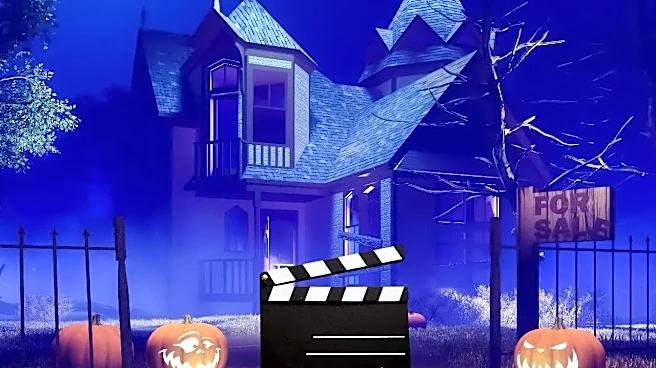
Launching a new horror show in October is the marketing equivalent of a cheat code. The entire month is a promotional runway for anything spooky, with audiences culturally primed to seek out scares. Media outlets are eager for Halloween-themed content,
giving new shows outsized attention. This creates an 'event' atmosphere around a premiere, transforming it from just another new series into a key part of the season's entertainment landscape. Look at the buzz around recent October premieres like the 'Friday the 13th' prequel series 'Crystal Lake' or Mike Flanagan’s modern reimagining of 'Carrie'. They don't just debut; they arrive as major cultural moments, tapping into a pre-existing hunger for horror that maximizes viewership from the very first episode. This captive audience is the fertile ground from which a franchise can sprout.
Architecting a Universe from Day One
Modern horror television isn't just about a single season of scares; it's about building a world that can be mined for years. The most successful franchises are rarely accidental. Take 'The Walking Dead,' which premiered on Halloween in 2010. From the beginning, it established a sprawling post-apocalyptic world filled with countless potential stories. Sixteen years later, that single show has blossomed into a universe with over 300 episodes across numerous spinoffs like 'Fear the Walking Dead,' 'Dead City,' and 'Daryl Dixon'. This model of creating deep lore, unresolved mysteries, and a large cast of characters provides endless avenues for prequels, sequels, and character-focused side stories. It's a strategy that turns a hit show into durable, long-lasting intellectual property (IP).
The Rise of the Horror Anthology
Not every franchise needs a directly connected storyline. The anthology format, popularized by series like 'American Horror Story,' offers another powerful way to build a brand. Each season presents a new story and setting but often uses a recurring troupe of actors, creating a distinct brand identity. Mike Flanagan has perfected this model on Netflix with 'The Haunting of Hill House' and 'The Haunting of Bly Manor,' both of which were strategically released in October. While the stories don't connect, they are linked by Flanagan's unique directorial style, thematic concerns, and a familiar stable of actors. This builds brand loyalty to the creator themselves, turning their name into a seal of quality that guarantees an audience for each new installment, whether it's a direct sequel or a spiritual successor.
Fueling the Streaming Wars
In the cutthroat landscape of streaming, retaining subscribers is everything. Horror franchises have become invaluable assets for platforms like Netflix, Prime Video, and Shudder. A successful horror series that drops in October can drive new sign-ups, but a franchise keeps those subscribers engaged long-term. When viewers finish one season, there’s a prequel, a spinoff, or an anthology installment waiting for them. After Mike Flanagan left Netflix for a deal with Amazon, the question of who would fill that horror void became a major strategic concern for the streamer, highlighting the immense value placed on these creators and their franchise-building potential. It shows that in an era of endless choice, a reliable horror universe is one of the surest bets a platform can make to keep its audience from churning.