






The Social Media Litmus Test
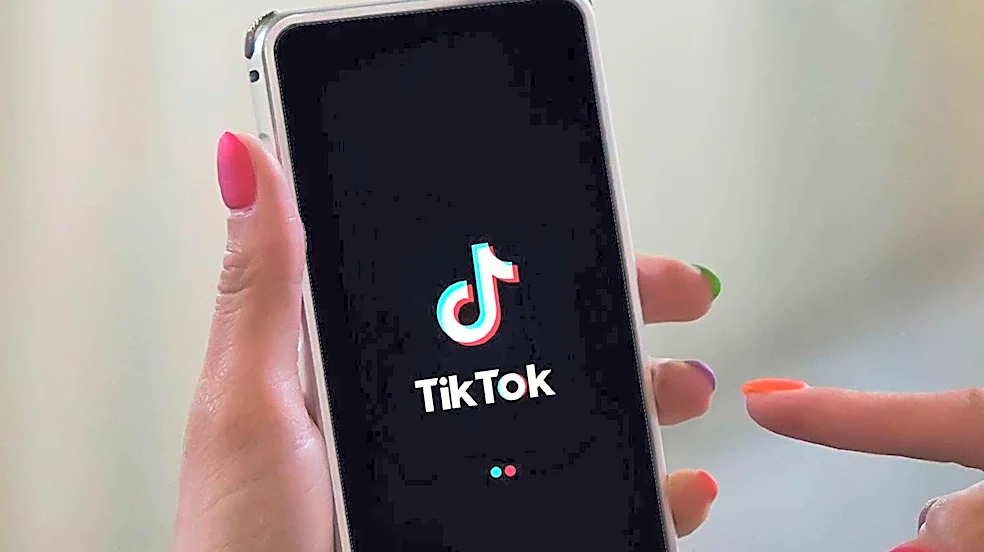
The biggest driver behind this shift is the one in your pocket. In the age of Instagram grids and 15-second TikToks, a costume’s success is measured in instant recognizability. An elaborate, beautifully crafted but generic pirate costume might get polite
nods, but a simple outfit signifying a specific, viral meme will get the likes, shares, and comments. Social media has become the main stage for showing off costumes, influencing people to choose outfits that will perform well online. This digital-first mindset means costumes need to be immediately 'gettable' in a single photo, without needing a long explanation. The goal isn't just to look good at the party, but to create a moment of shared online currency. As a result, people are bypassing broad archetypes in favor of characters and ideas that are trending right now.
From Blockbuster to Niche-Buster
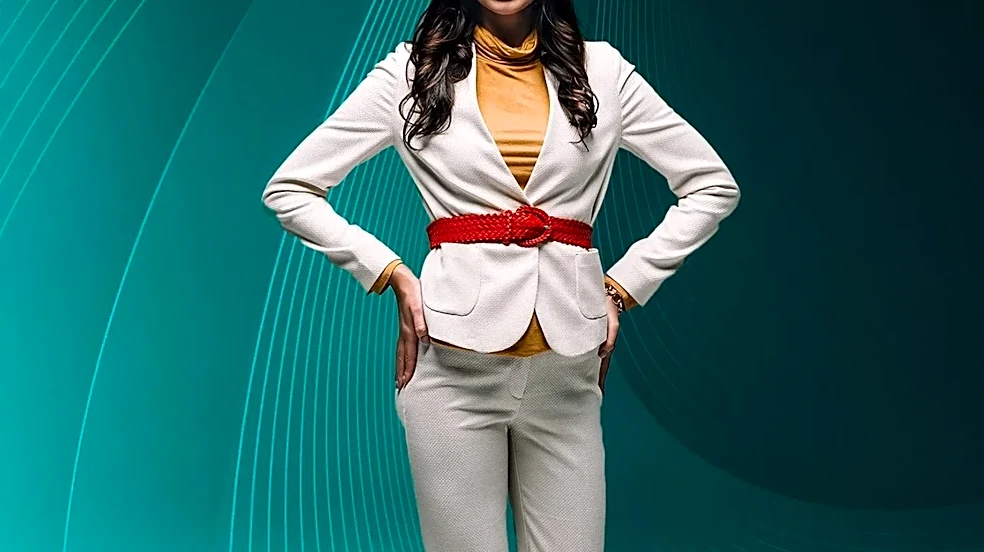
While big movie characters are still popular, there's a growing appetite for niche references that act as a cultural handshake. Think less 'Wednesday Addams' and more 'Sabrina Carpenter on tour' or the 'Red Flats' Met Gala assistant. These costumes are born from specific, shared cultural moments rather than massive franchise releases. This trend is a move away from the mass-produced costumes that dominated the mid-20th century toward something more personal and timely. Dressing as a character from a popular-but-not-universal TV show like 'The Bear'—which might just require a blue apron and a white t-shirt—rewards cultural fluency. It’s a way of signaling that you’re in on the joke, that you’re part of a specific fandom or that you follow the ever-shifting currents of internet culture.
The 'If You Know, You Know' Factor
This leads to the powerful appeal of the 'IYKYK' (If You Know, You Know) costume. These outfits are designed to be understood by a specific subculture, creating an immediate bond with those who get the reference. It can be a character from a cult video game, a figure from a hyper-specific meme, or even a living interpretation of a viral tweet. This trend turns a costume from a simple disguise into a social filter. Walking into a room, you instantly identify your people—the ones who laugh not because your costume is elaborate, but because they share the same pocket of pop culture knowledge. It’s a competition, of sorts, to be clever and original rather than just spooky or glamorous. This creates a sense of belonging and inside-joke camaraderie that a generic ghost costume just can't match.
Creativity Meets Economic Reality
Let's be honest: elaborate, store-bought costumes can be expensive. The shift toward simpler, more specific outfits is also a nod to economic reality. Why spend a hundred dollars on a pre-packaged superhero suit when you can get more laughs and appreciation for a clever, DIY costume made from things you already own? A tourist costume, for example, can be assembled from a Hawaiian shirt, khaki shorts, and a fanny pack. The 'simple but specific' trend prioritizes cleverness and creativity over budget. The praise comes from the wit of the reference, not the quality of the sewing. This makes Halloween more accessible and encourages a form of sustainable celebration, where the focus is on ingenuity and repurposing what you have rather than on mass-produced, single-use outfits.