






Look Beyond the Biggest Name
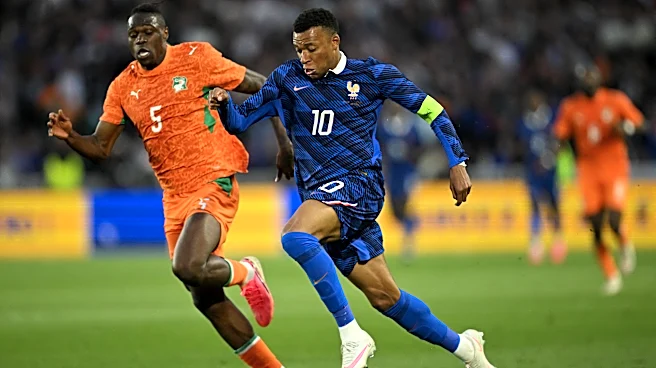
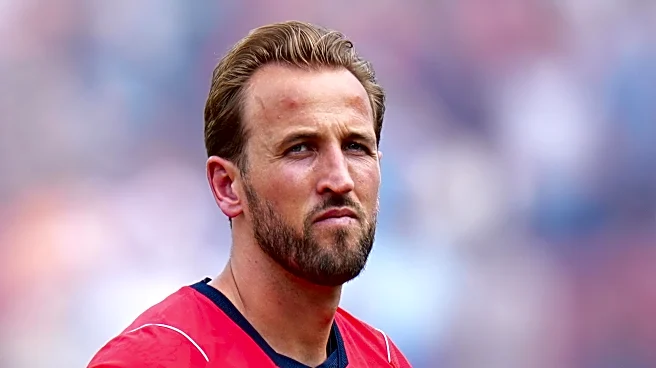
Your first instinct is to slap the armband on the global superstar—the Mbappé, the Messi, the Kane. While they're stars for a reason, a pro fantasy manager thinks deeper. The real question isn't 'who is the best player?' but 'who is the most likely to score
big *this* week?' An in-form winger playing for a team that's firing on all cylinders is often a better bet than a world-class striker in a scoring slump or returning from a minor injury. Form is temporary, class is permanent, but in fantasy, a single week is all that matters. Don't let a big name on a bad run burn a hole in your lineup. Check the stats from the last few games, not just the name on the back of the jersey.
Master the Art of the Matchup
This is where the real fantasy pros make their money. A great player against a great defense is a recipe for a frustrating two-point captaincy. Conversely, a good player against a terrible defense is a goldmine. Before a tournament, identify the weakest teams—the ones likely to ship goals. In the group stage, these are your targets. Is your potential captain facing a team that parks the bus and defends for 90 minutes, or a team that plays a high line and leaves space in behind? A quick look at the opponent's defensive record, tactical style, and recent results provides more valuable insight than almost any other metric. Always captain the player, but bet on the matchup.
Let the Bookies Be Your Guide
Want an unbiased, data-driven opinion on who is most likely to score? Check the betting odds. Sportsbooks have incredibly sophisticated models for predicting outcomes, and they put their money where their math is. Look for the 'anytime goalscorer' markets for the upcoming matches. The players with the shortest odds (e.g., -110, +120) are the ones the experts predict are most likely to find the back of the net. You don't have to place a bet, but using this information is like getting a free consultation from a team of data scientists. It's a quick, easy way to validate or challenge your own gut feeling and cut through the media hype.
Understand the Sources of Points
Goals are great, but they aren't the only way to rack up fantasy points. A 'pro' pick considers all the angles. Is your player the designated penalty taker? That's a massive advantage in the VAR era. Does he take direct free kicks or corner kicks, boosting his chances of an assist? In many fantasy formats, midfielders get more points for a goal than forwards, and defenders get huge bonuses for clean sheets. This can make an attacking full-back who gets forward and keeps a clean sheet (think Achraf Hakimi or Theo Hernández) a more explosive captaincy option than a forward who might only score once. Know your game's scoring system inside and out, and pick the player whose role maximizes potential returns.
Differentiate by Tournament Stage
A major cup isn't one continuous fantasy game; it's two distinct phases. The Group Stage is about flat-track bullying. Top-tier nations often face weaker opposition, creating opportunities for huge scorelines. This is the time for aggressive captaincy—target the star forwards from teams expected to win 4-0. The Knockout Stage is a different beast. Games are tighter, more defensive, and can go to extra time (which may or may not count for fantasy points—check your rules!). Here, a reliable talisman who is central to everything his team does, even if the game is a tense 1-0 win, can be a safer bet. The risk of a blank is higher for everyone, so sometimes securing a steady return is smarter than chasing a non-existent goal-fest.