
Craftsmanship Over Cost
The first rule of elite cosplay is that skill trumps spending. A simpler costume with clean seams, no visible glue, and durable construction will always outscore an ambitious but sloppy build. This is the
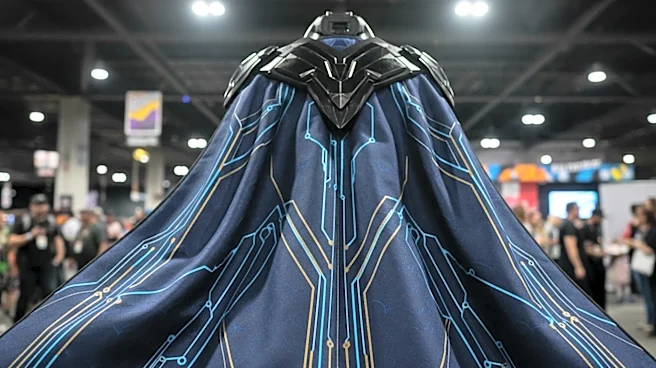
core principle of craftsmanship judging at major conventions, where experts look at the technical execution up close. A cosplayer who knows how to properly cut, sew, and assemble materials—whether it's thrifted fabric or basic craft foam—demonstrates a higher level of dedication and artistry than someone who simply buys the most expensive components. It’s about the quality of the work, not the price of the materials.
The Genius of the Right Material
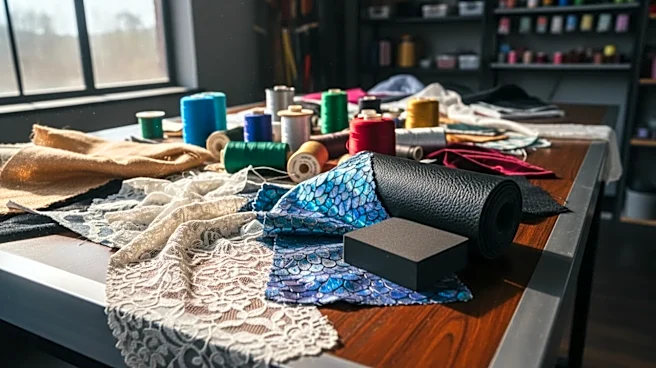
The secret weapon of many veteran cosplayers isn't a limitless credit card; it's knowing how to make cheap materials look amazing. EVA foam floor mats are a classic example, transformed into lightweight, durable armor that, with the right techniques, is indistinguishable from something far heavier and pricier. Similarly, cardboard, plastic containers, and thrifted bedsheets can become incredible props and garments in the hands of a creative individual. The challenge and artistry lie in the transformation—using paint, heat, and ingenuity to turn the mundane into the magical. This problem-solving approach is celebrated within the community.
Accuracy and Attention to Detail
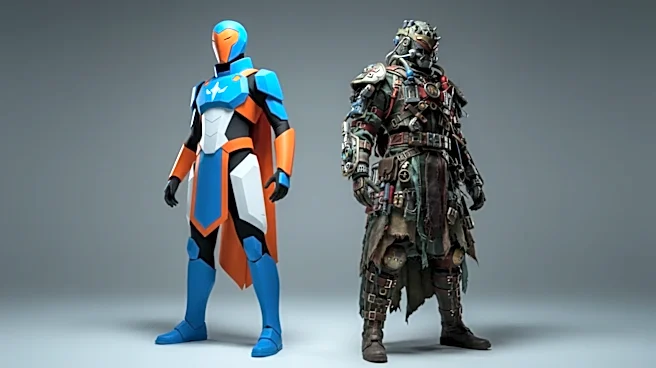
A high-quality costume is, above all, accurate to the source material. This means nailing the character's silhouette, color palette, and key details. A cosplayer who spends hours researching the precise pattern on a character's sleeve or finding the perfect buttons will create a more convincing look than one who approximates it with expensive but incorrect fabric. Often, these details are what make a costume truly recognizable and stand out in a crowd. It’s not about the fabric's thread count, but whether it accurately reflects what's seen on screen or in the comics.
The Art of Weathering
Pristine isn't always better. Weathering—the art of making a costume look worn, aged, and used—is a crucial skill that adds a profound sense of realism. A brand-new, shiny shield on a battle-hardened warrior looks wrong. A cosplayer who skillfully adds dirt, scratches, and fading to their props and garments tells a story. This technique gives life and authenticity to an outfit, suggesting it has existed in the character's world. It's a testament to the idea that lived-in-ness, even when artificially created, is more valuable than off-the-shelf perfection.
Performance Is the Final Polish
A costume is only half the equation; the other half is the performance. A cosplayer who embodies the character's posture, mannerisms, and attitude brings the entire look to life. At conventions, judges often score stage presence, noting how a cosplayer shows off their work and connects with the audience. A stoic walk, a signature pose, or a cheerful wave that perfectly captures the character’s personality can elevate a simple costume into a memorable experience. Ultimately, cosplay is a performance art, and embodying the character is a skill that costs nothing but passion and practice.