





The Pacific Northwest Uniform
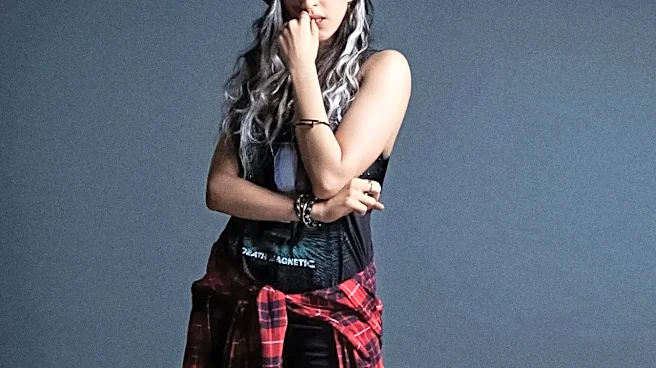
The classic grunge look was born of practicality, not fashion. In the Pacific Northwest, with its damp, chilly weather, layers were essential. Flannel, thermal shirts, and sturdy boots were common workwear and everyday staples you could find cheap at a thrift
store. Bands like Nirvana, Pearl Jam, and Soundgarden didn’t set out to create a style; they dressed like the people around them. It was an anti-fashion statement rooted in a working-class, anti-capitalist ethos that prioritized music over image. The disheveled, unkempt look was a direct rejection of the polished, over-the-top glamour of 1980s hair metal. This authenticity is what resonated with so many, but it was just one regional snapshot of alternative culture.
The High-Fashion Hijacking
The moment grunge truly collided with the wider world was in 1992, when designer Marc Jacobs debuted his infamous collection for the upscale brand Perry Ellis. He sent supermodels like Kate Moss and Naomi Campbell down the runway in luxe versions of the Seattle look: silk flannel shirts, printed granny dresses, and Dr. Martens boots. The fashion world was aghast. Critics called it “ghastly” and a misguided attempt to commercialize an anti-commercial movement. Jacobs was promptly fired. Grunge pioneers were equally unimpressed; Courtney Love and Kurt Cobain famously claimed they burned the samples Jacobs sent them. The collection almost redefined grunge as a high-fashion commodity, a move that could have killed its street-level credibility before it even peaked. Instead, the controversy only cemented the idea that authentic grunge could not be bought off a runway.
The Kinderwhore Counterpoint
While male-fronted bands defined the flannel-and-denim look, a parallel, more feminine aesthetic was bubbling up, known as "kinderwhore." Championed by artists like Courtney Love of Hole and Kat Bjelland of Babes in Toyland, this style twisted traditional symbols of girlhood into something provocative and unsettling. It involved babydoll dresses, Peter Pan collars, ripped tights, Mary Jane shoes, and smudged, dramatic makeup. The look was a deliberate subversion of innocence, a commentary on female stereotypes and beauty standards. For a time, it was a powerful and distinct part of the alternative scene, influencing high fashion and running alongside the more androgynous mainstream grunge look. Had media attention focused more on these female-fronted bands, our collective memory of 90s alternative style might be less about lumberjack plaid and more about defiant, deconstructed femininity.
The Riot Grrrl Resistance
Emerging from Olympia, Washington, the Riot Grrrl movement was explicitly political and feminist, a direct response to the sexism in the punk and alternative scenes. Bands like Bikini Kill and Bratmobile used their music and style to carve out a safe space for female rage and expression. While it shared some elements with grunge and kinderwhore—like combat boots and thrifted finds—the fashion was more about function and message. It was common to see band members in simple dresses, shorts, or jeans, sometimes with words like "slut" written on their bodies to reclaim derogatory terms. The Riot Grrrl look was less a defined aesthetic and more a DIY, politically-charged uniform for a revolution. While it heavily influenced a generation of women, its raw, activist-led focus was largely overshadowed in the mainstream by the more commercially palatable, male-dominated image of grunge.