



The Evolution from Fan Gear to Fashion
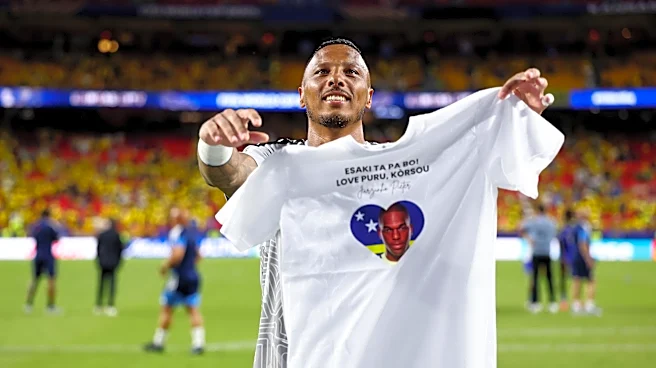
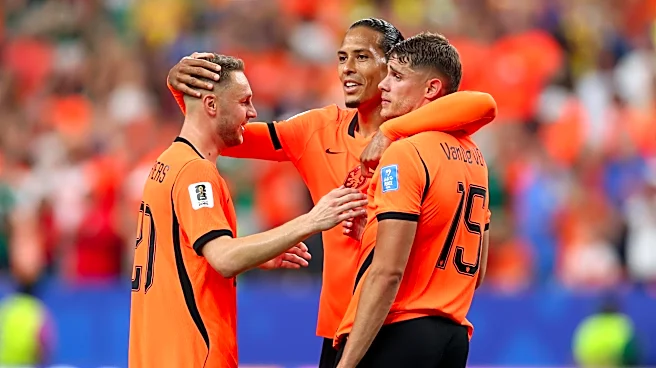
For decades, a national team jersey was straightforward fan apparel. You wore it in the stadium or at a bar on game day to show your allegiance. It was functional, tribal, and a bit niche. But somewhere over the last decade, the lines blurred. The jersey stepped
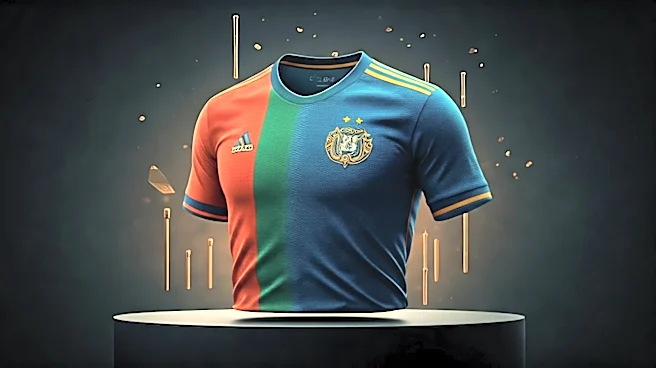
off the pitch and onto the runway, the red carpet, and into everyday life. This wasn’t an accident; it was the result of a calculated strategy by sportswear giants like Nike and Adidas, who realized they weren’t just selling athletic wear. They were selling culture. The shift began by treating the jersey not as a uniform, but as a canvas. Instead of just updating colors, designers started weaving in deeper narratives, turning a simple shirt into a piece of wearable national identity that appealed to more than just die-hard soccer fans. It became a symbol of heritage for diaspora communities and a cool, international statement for fashion-forward consumers.
The Designer's Playbook: Narrative and Nostalgia
The secret sauce is storytelling through design. Brands now invest heavily in creating kits with a compelling backstory. Take Nigeria’s 2018 World Cup kit. Nike’s design, with its feather-inspired black-and-white sleeves and electric green torso, was an homage to the team’s 1994 ‘Super Eagles’ jersey but reinterpreted with a modern, streetwear aesthetic. It wasn’t just a shirt; it was a story about youthful energy and cultural pride. The result? It sold out almost instantly, with reports of three million pre-orders. This playbook is repeated across the globe. A recent U.S. National Team jersey might feature a subtle tie-dye pattern nodding to American counter-culture, while Japan’s kits often incorporate traditional art forms like origami or ukiyo-e woodblock prints. By embedding these cultural touchstones, the jersey transcends sport. It becomes a piece of art and a conversation starter, justifying a premium price tag far beyond its material cost.
Borrowing from Sneaker Culture: The Scarcity Game
If design creates desire, scarcity creates urgency. The world of high-end jerseys has borrowed a crucial lesson from sneakerheads: the ‘drop.’ Instead of stocking shelves for months, the most anticipated kits are released in limited quantities, often through exclusive apps or lottery systems. This manufactured scarcity turns a purchase into a victory. Fans and fashionistas alike feel a rush from securing a coveted item, which they then proudly display on social media, creating a viral marketing loop for the brand. This strategy drives the jersey’s value into the stratosphere, both at the register and on the resale market. A $90 jersey can quickly fetch double or triple its price on sites like StockX, placing it in the same category as a limited-edition Nike Dunk or a Supreme hoodie. It’s no longer just apparel; it’s an asset.
The Bottom Line: Big Money and Brand Power
The financial stakes are astronomical. Sportswear brands pay national federations hundreds of millions of dollars for the rights to produce their kits. For example, Nike’s deal with the French Football Federation and Adidas’s long-standing partnership with Germany are worth fortunes. These brands aren’t just paying for logo placement; they are buying a platform to dominate the global sportswear market. A single hit jersey can validate the entire investment. The halo effect of a culturally resonant kit lifts the entire brand. It reinforces their image as arbiters of cool, driving sales across their entire product line, from shoes to tracksuits. For the national federations, kit sales provide a massive revenue stream, funding everything from grassroots youth programs to player salaries. The jersey has become a central pillar of their business model.
The Final Amplifier: Culture and Celebrity
A jersey’s journey to fashion icon status isn’t complete until it’s adopted by the culture. When a musician like Burna Boy wears a Nigeria kit on stage or a Hollywood actor is spotted in a classic Italy jersey, it receives the ultimate seal of approval. This organic-seeming endorsement (which is sometimes a savvy marketing placement) removes the item from its sports context entirely. It becomes a pure style choice, signaling a certain global fluency and effortless cool. It tells the world you’re in the know, whether you can name the team’s starting lineup or not.