




The Unseen Performance
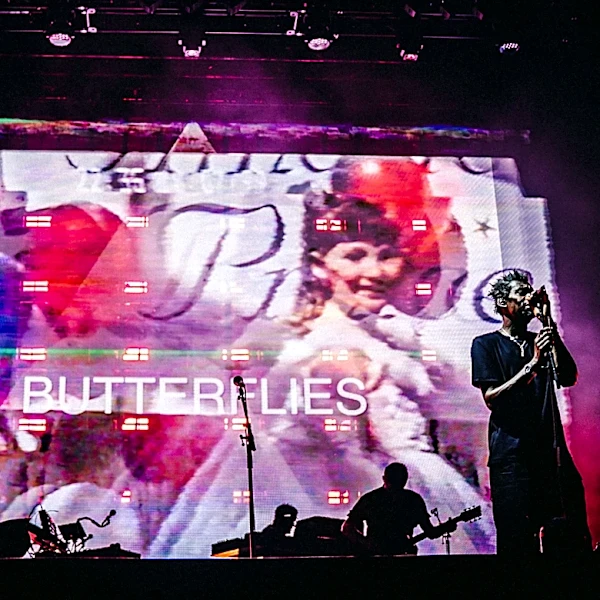
Music festivals, once a haven for escapism, have quietly transformed into massive content creation studios. The main stage isn't the only performance happening; a second, more personal show is being directed, shot, and edited in real-time by thousands
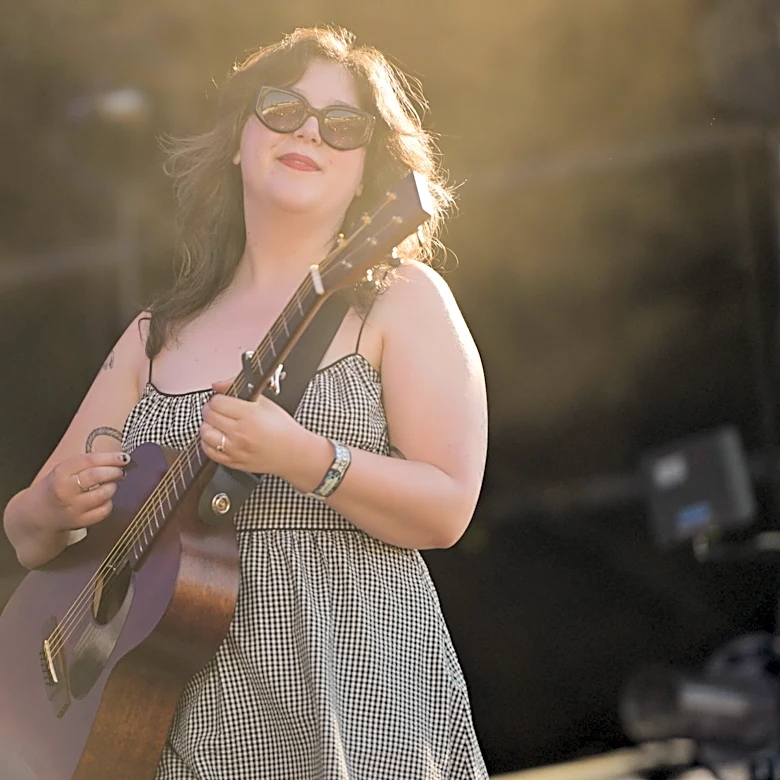
of attendees. The goal is no longer just to have fun but to produce tangible, shareable proof of that fun. This pressure turns personal joy into a public performance. Every outfit, friend group huddle, and sunset silhouette becomes a potential post, judged by its aesthetic value rather than the feeling it evoked. This shift is a core tenet of the 'experience economy,' where memories and feelings are the new commodities. In this environment, authenticity becomes the goal, yet the very act of curating it for an audience can make the experience feel fake.
FOMO in a Crowded Field
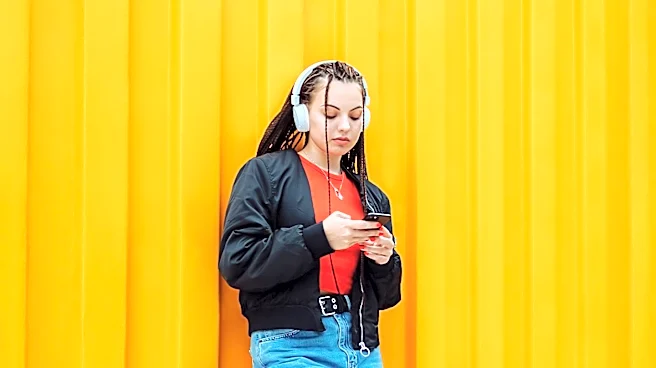
The Fear Of Missing Out, or FOMO, is a powerful anxiety, and festivals are its natural habitat. With multiple stages, secret sets, and countless social opportunities, every choice you make is also a choice to miss out on something else. Social media acts as an accelerant. Seeing an influencer's post from a different, seemingly better, stage or party triggers an immediate sense of regret and dissatisfaction. This creates a frantic energy, a need to constantly move and capture everything, just in case you're not in the 'right' place. Event organizers even leverage this anxiety to build hype, using live streams and hashtags to ensure non-attendees feel the sting of missing out. For those on the ground, this translates into a relentless chase for the most 'Instagrammable' moment, turning a journey of discovery into a stressful checklist.
Outsourcing Your Memories
It feels intuitive that filming a concert will help you remember it forever. However, psychological research suggests the opposite might be true. Dr. Linda Henkel's work on the "photo-taking impairment effect" found that when we rely on an external device to capture a moment, our brain outsources the work of memory formation. Instead of engaging deeply with the sensory details—the rumble of the bass, the shared energy of the crowd—our attention shifts to framing, focusing, and recording. We're so busy creating a digital archive that we fail to build a strong neurological one. While re-watching a video can trigger an emotional echo, studies indicate that those who excessively document an event often have a poorer recall of the actual experience and feel less emotionally connected to it.
Finding Analog Joy in a Digital World
Reclaiming the festival experience doesn't require a complete digital detox. It's about shifting the focus from curation to participation. Try setting intentional limits: designate one or two songs from a favorite artist's set to record, and then put the phone away. This simple act of boundary-setting can liberate you to fully immerse yourself in the rest of the performance. Another strategy is to focus on a single sense. Close your eyes for a minute and just listen to the music and the crowd. Notice the feeling of the ground vibrating. These non-visual details are often what make a memory powerful and unique. The most profound festival moments are often the spontaneous, unrecorded ones: a shared laugh with a stranger, the collective gasp of a crowd at a surprise guest, or the simple feeling of belonging. The true value of a festival isn't in the photos you take home, but in the memories you create when you're not trying to capture anything at all.