






The Suit Heard 'Round the World
On June 29, 2021, Jalen Green walked into Brooklyn’s Barclays Center for the NBA Draft and immediately reset the standard for what a future star could—and should—wear. He wasn't just in a nice suit; he was in a *look*. Eschewing the traditional navy or charcoal,
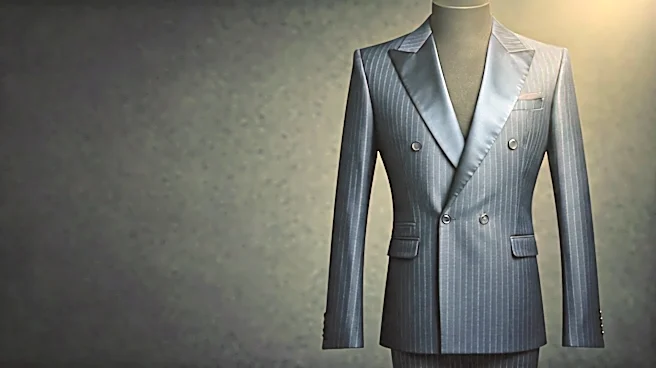
Green arrived in a custom, shimmering silver-and-grey pinstriped suit by Balmain. The jacket was sharp, but the pants were the real statement: dramatically flared bell-bottoms that pooled over his shoes, a stark departure from the ultra-slim tailoring that had dominated menswear for a decade. He wore it shirtless, adorned with a diamond chain, looking less like a basketball prospect and more like a rock star arriving at the Grammys. The outfit wasn't just bold; it was a deliberate, high-fashion risk that signaled a new era of athlete style. It announced that Green wasn't just there to play ball; he was there to build a brand.
A Brief History of Draft Night Drip
To understand the impact of Green's fit, you have to appreciate the history. The '90s and early 2000s were the era of the infamously oversized suit, a look now remembered with affectionate amusement. In 2003, LeBron James set a new precedent with his pristine, all-white suit, a clean, confident look that screamed “generational talent.” For years after, players followed his lead, opting for well-tailored but stylistically conservative suits. There were occasional flashes of personality—Joakim Noah’s awkward but memorable seersucker suit in 2007, for example—but the goal was generally to look professional and respectable. By the late 2010s, things started to shift. Players like Shai Gilgeous-Alexander (in a striking floral suit in 2018) began pushing the envelope, but these were often seen as quirky one-offs. The baseline remained relatively safe: a classic suit, maybe in a bolder color like burgundy or a subtle pattern. Green’s outfit wasn’t the first unique suit, but it was arguably the first to fully embrace high-fashion and reject “safe” altogether.
From Athlete to A-Lister
What made Green’s choice so significant was its alignment with a broader cultural shift. Modern athletes, armed with social media and a deep understanding of personal branding, no longer see themselves as just players. They are multi-hyphenate entertainers and entrepreneurs. Green’s Balmain suit was a non-verbal declaration of this new identity. By choosing a celebrated French fashion house and a silhouette that was more runway than boardroom, he positioned himself as a global cultural figure from his very first professional moment. This wasn't just about looking good; it was a strategic move. It told sponsors, fans, and the league that he understood the power of image. In an era where off-court influence can be as lucrative as an on-court contract, Green’s fashion-forward debut was a masterclass in playing the long game.
The New Normal on Draft Night
The most compelling evidence of Green's impact is what came next. His sartorial gamble gave the players who followed him an unspoken permission to go even further. In the 2022 draft, the No. 1 pick, Paolo Banchero, showed up in a custom purple suit completely adorned with rhinestones. In 2023, twins Amen and Ausar Thompson arrived in coordinated, shimmering satin suits—one white, one blue—looking like a high-fashion tag team. Scoot Henderson donned a bedazzled grill and a jacket loaded with intricate details. What was once an outlier had become the expectation. The question was no longer, “What color suit will he wear?” but “How will he express his personality?” Jalen Green didn't invent the statement suit, but he was an accelerator. He raised the bar so high that playing it safe became the riskiest choice of all.