








Start Your Prep the Night Before
Primetime games feel big because the anticipation builds all day. For a morning game, you have to manufacture that runway. The solution? Shift your pre-game ritual to the night before. This isn’t about staying up late; it’s about intentional preparation.
Lay out your jersey, hat, and any other gear. Get your cooler, chairs, or TV setup ready. Text your friends to confirm the plan. This simple act of getting organized moves the “pre-game” excitement from a frantic Saturday morning rush into a deliberate Friday night ritual. It tricks your brain into believing the event has already begun, framing the next day as the grand finale, not just another early morning.
Host a Game Day Brunch, Not a Tailgate
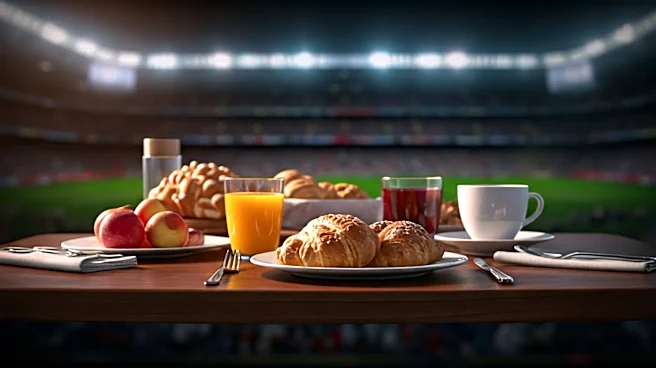
Let’s be honest: cracking a cold one and firing up the grill at 8 AM can feel less like a party and more like a problem. Instead of forcing a traditional tailgate into a time slot where it doesn’t belong, rebrand it. You’re not tailgating; you’re hosting a Game Day Brunch. The menu instantly becomes more fun and appropriate. Think breakfast burritos, bacon on a stick, mimosas (in team colors, of course), or a massive pot of coffee with some Irish cream. If you’re at the stadium, this is the “sunrise tailgate.” It’s about adapting the spirit of the gathering—good food, good company, and team pride—to the reality of the clock. This change in theme feels celebratory and special, rather than just early.
Curate the Perfect Pre-Game Playlist
Atmosphere is everything. Big games are accompanied by a distinct soundtrack: the stadium pump-up music, the pre-game show’s dramatic orchestral score, the buzz of the crowd. You need to replicate this at home or in the parking lot. Create a dedicated pre-game playlist that builds in intensity. Start with some chill, upbeat tracks as you’re making coffee and ease into the stadium anthems and classic rock bangers as kickoff approaches. This sensory cue is incredibly powerful. Music can bypass the part of your brain that’s still thinking about sleep and inject energy directly into your fan soul. A silent, coffee-fueled morning feels like a commute; a music-filled morning feels like an event.
Dress the Part to Feel the Part
This might seem obvious, but its psychological impact is often underrated. Rolling out of bed and watching the game in your pajamas sends a clear signal to your brain: this is a low-key, lazy morning. Putting on your jersey, your lucky hat, or even just team colors is a conscious act of transformation. You are no longer just a person in a living room; you are a fan participating in a communal event. It’s the same reason people dress up for a fancy dinner at home—it changes the entire feel of the experience. The uniform is a powerful psychological trigger that flips the switch from “spectator” to “supporter,” instantly raising the personal stakes and investment in the outcome.
Commit to the Full Media Experience
Don’t just tune in at kickoff. To make it feel like a major event, you need the full broadcast experience. Turn on the pre-game show an hour early, even if it feels repetitive. Listen to the analysts break down matchups, watch the player warm-ups, and absorb the field-level reports. This context is what separates a monumental clash from just another game on the schedule. It builds the narrative and the stakes. For a night game, this happens naturally as you go about your day. For a morning game, you have to choose to immerse yourself. This ritual of watching the talking heads is a crucial part of the modern fan experience that makes the game itself feel like the climax of a larger story.
Plan a Post-Game Victory Lap
A 10 AM game ends around 1 PM, leaving you with a huge chunk of the day. Don’t let the energy just fizzle out. Plan something for afterward to extend the “event” feeling. If your team wins, it’s a victory lunch at a local sports bar. If they lose, it’s a commiseration session over some good food. The key is to have a destination. This prevents the abrupt transition from the height of the game back to the quiet reality of a Saturday afternoon. By bracketing the game with both pre-game and post-game activities, you turn a three-hour contest into a full-day affair, giving it the weight and significance it deserves, no matter what time it started.