





It Starts with the Source Material
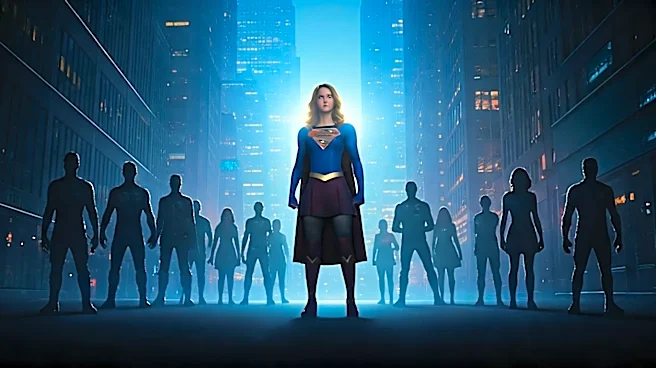
Forget everything you think you know about Supergirl from past adaptations. The new film, starring Milly Alcock and directed by Craig Gillespie, is based on Tom King and Bilquis Evely’s 2021-2022 comic series, *Supergirl: Woman of Tomorrow*. This isn’t
a story about a cheerful, slightly less powerful version of Superman. This is a gritty, cosmic Western about a disillusioned Kara Zor-El who, on her 21st birthday, decides to get drunk in a backwater alien bar. There, she meets a young alien girl whose entire world has been destroyed and who is seeking revenge. What follows is not a world-saving epic but a violent, emotionally taxing journey across the galaxy. The comic is beloved precisely because it strips the character down, forcing her to confront trauma, morality, and what it truly means to be a hero when no one is watching. Its ending is famous among readers for being profoundly moving and character-defining—not with a punch, but with a quiet, powerful statement of purpose.
The Modern Blockbuster Playbook
Modern cinematic universes aren't built on good movies alone; they're built on iconic moments that anchor a character in the cultural consciousness. The Marvel Cinematic Universe didn't truly find its swagger until Tony Stark looked into the cameras and declared, “I am Iron Man.” That single line defined a decade of storytelling. It was a mission statement. Similarly, the entire arc of Steve Rogers was designed to culminate in him finally getting that dance. These moments aren't happy accidents; they are the architectural pillars around which the entire script is constructed. For the new DCU, which needs to establish its heroes with authority and distinction, creating such a pillar for Supergirl is not just a creative choice—it's a strategic necessity. They need her to have an “I am Iron Man” moment that establishes her as a top-tier hero in her own right, not just a supporting player in Superman’s story.
Enter James Gunn’s Storytelling DNA
As the co-head of DC Studios, James Gunn’s creative sensibilities are now the guiding force of the DCU. Look at his track record. The *Guardians of the Galaxy* trilogy is a masterclass in turning C-list oddballs into beloved icons through earned emotional payoffs. The final scenes of those films are rarely about a simple victory. They’re about sacrifice, found family, and bittersweet goodbyes (“We are Groot”). *The Suicide Squad* ends not with a triumphant celebration, but with a quiet act of blackmail to save a friend. Gunn understands that the moments that stick with audiences are the ones that carry emotional weight and thematic truth. He described this new Supergirl as a character who was “raised on a rock, a chip off of Krypton, and watched everyone around her die and be killed in terrible ways for the first 14 years of her life.” This is a setup for a character forged in fire, and the film's conclusion will inevitably be the moment that hardening process gives way to a new, profound identity.
What 'Quotable' Really Means Here
When we say the final scene will be “quotable,” it’s unlikely to be a witty one-liner. Based on the *Woman of Tomorrow* source material, the power of its conclusion lies in its thematic weight. Without spoiling the specifics of the comic’s ending, it involves Kara making a choice that redefines her purpose and her relationship with the concept of justice. It’s the kind of line that makes you re-evaluate the entire movie you just watched. It’s a moment of quiet, devastating clarity. The goal isn't to create a catchphrase for t-shirts, but to deliver a line that encapsulates her entire journey from a jaded survivor to the hero she was meant to be. It will be the sentence that fans use to explain to their friends why *this* Supergirl is different, why she matters, and why she might just be the most compelling character in the new DCU.