






Deconstruct the 'Cost'
Before you can calculate your potential return on investment, you have to understand the total cost, which is always more than the number on the ticket. A $35 general admission ticket might seem reasonable, but the true cost is often higher. Factor in hidden
expenses: Are you paying $20 for parking? Driving an hour each way? Will you be tempted by $15 themed cocktails or $12 hot dogs once inside? And don't forget the non-monetary costs. A two-hour wait in a chaotic, disorganized line for a 15-minute walkthrough dramatically increases the 'price' you pay. Some attractions now offer expensive express passes to skip these lines, adding another layer to your calculation. A budget haunt might charge $25, while a major theme park's horror event can easily top $80 or more for a single night, before any add-ons. Your total investment is the ticket price plus parking, gas, food, and the value of your time spent waiting.
Define Your 'Scare'
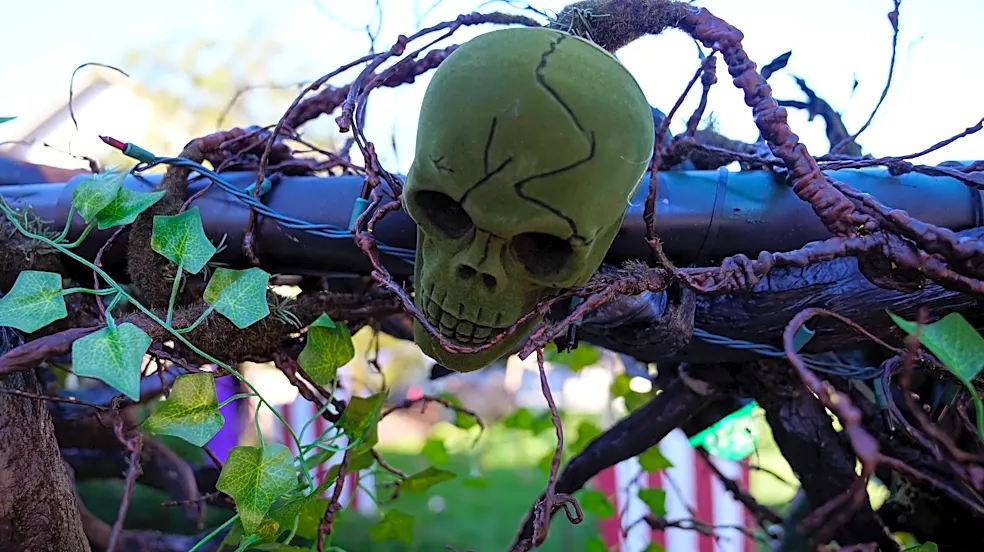
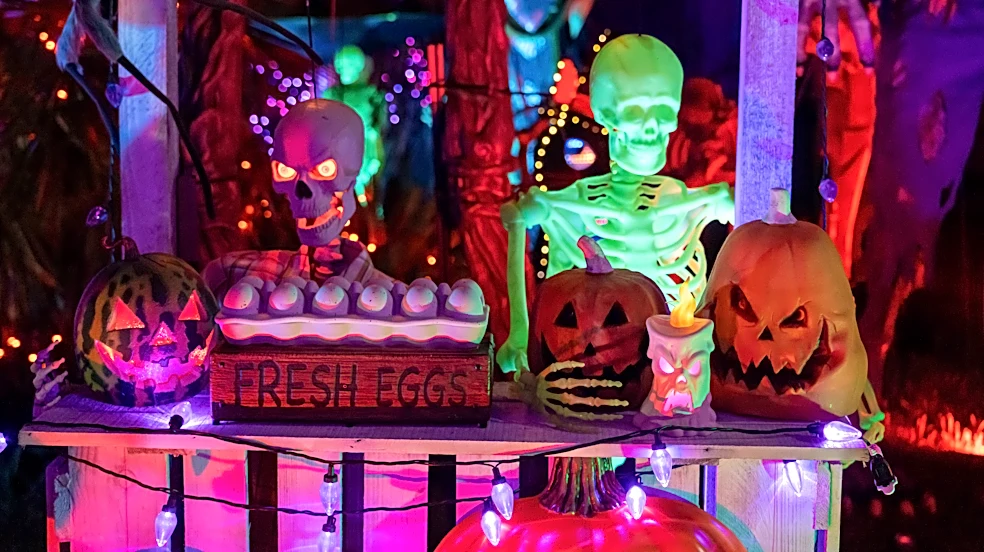
The 'scare' half of the equation is subjective. What terrifies one person might make another laugh. To judge the value, you have to know what you're shopping for. Are you a fan of high-impact jump scares, where actors leap from hidden corners? Or do you prefer a slow-burn, atmospheric dread built through detailed sets, creepy sound design, and psychological tension? A great haunt often mixes both. Top-tier attractions invest heavily in what's called 'theming'—creating an immersive world from the moment you enter. They use movie-quality sets, intricate costumes, and a cohesive story. A low-value experience might just be a series of dark hallways with actors in cheap masks. The 'scare' isn't just about how many times you scream; it's about the quality and variety of the entire horrifying experience.
Look Beyond the Main Attraction
The best Halloween events offer more than just a single haunted house. They create a full evening of entertainment. Look for what else is included in the price. Are there 'scare zones'—themed open areas where costumed actors roam and interact with guests? Is there live entertainment, like a spooky band or a macabre magic show? Some haunts include access to a 'monster museum,' themed midway games, or photo opportunities. These extras add tremendous value and extend your experience beyond a short walkthrough. An attraction that offers multiple haunted mazes, several scare zones, and themed food and drinks provides a much higher 'scare' value for your dollar than a standalone house with nothing else to do.
How to Spot the Red Flags
Some haunts are all marketing and no substance. Before you buy, do some recon. A major red flag is a vague or unprofessional website with few photos or videos of the actual attraction. If all you see are stock images of zombies, be wary. Read recent reviews on social media and local forums, not just the glowing testimonials on the haunt's own page. Look for recurring complaints. Are people consistently saying the lines were unbearable and the experience was too short? Do they mention that the effects were cheap or that there weren't enough actors? Also, be critical of the hype. An event that calls itself 'the most terrifying experience in America' better have the reviews and production value to back it up. Finally, check the rules and warnings. While standard safety waivers are common, an unusually long list of disclaimers might hint at an intense experience, for better or worse.
Your Pre-Haunt Value Checklist
Before clicking 'buy,' run through this quick mental checklist. First, what is the all-in cost, including travel and extras? Second, what kind of scare am I looking for, and does this event's description match it? Third, how long is the core experience, and what other activities are included to make it a full night out? Fourth, what are recent, independent reviews saying about wait times and scare quality? And finally, does the price feel right for what's being offered? A $60 ticket for a multi-attraction theme park event with scare zones and shows might be a better value than a $40 ticket for a single, 20-minute hayride. The goal isn't to find the cheapest ticket, but the one that delivers the most screams, atmosphere, and fun for your money.