




From the Slopes to the Streets
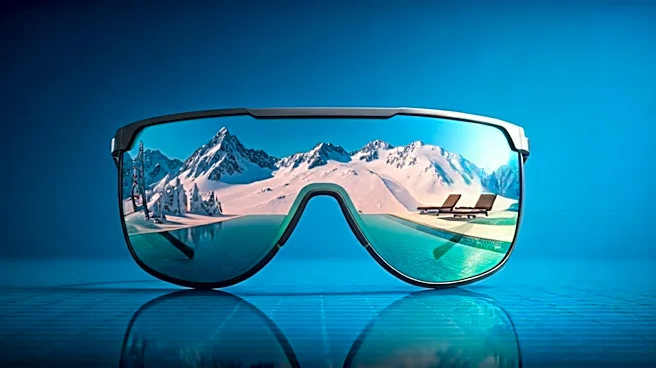
Before they were a fashion statement, shield sunglasses were pure function. Born from the world of high-performance sports, these oversized, wraparound specs were designed for cyclists, skiers, and professional athletes who needed maximum protection from sun,
wind, and debris. Brands like Oakley built their reputation on this utilitarian promise. The single, sweeping lens offered an uninterrupted field of vision, and the aggressive, aerodynamic shapes were engineered for speed, not style. In their original context, they were tools—as glamorous as a pair of cleats or a moisture-wicking compression shirt. Their aesthetic was unapologetically technical, belonging to the world of finish lines and personal bests, not front rows and five-star resorts.
The First Wave: A Y2K Flashback
The late '90s and early 2000s saw fashion’s first real flirtation with the shield. As pop culture embraced a futuristic, tech-heavy aesthetic, these glasses were plucked from the sports world and dropped onto the red carpet. Think of the metallic, borderline-robotic looks of Destiny’s Child, or the flashy, paparazzi-proof eyewear favored by Paris Hilton and Nicole Richie. During this era, shields weren't about athletic performance; they were about projecting an image of untouchable, of-the-moment celebrity. Paired with low-rise jeans, velour tracksuits, and bedazzled flip phones, they were an accessory of playful excess and a signifier of the new millennium's flashy, optimistic energy. But like many Y2K trends, they eventually faded, seen as a gaudy relic of a very specific time.
The High-Fashion Athleisure Effect
For shield sunglasses to make a serious comeback, they needed a new champion: the luxury fashion world. Their modern resurgence can be traced directly to the rise of high-fashion athleisure in the mid-2010s. Designers like Demna Gvasalia at Balenciaga and Vetements began subverting our ideas of luxury, elevating everyday items—from sneakers to hoodies—into coveted high-fashion pieces. The shield sunglass was a perfect candidate for this treatment. It was functional, a little “ugly” by classic standards, and carried a strong subcultural identity. When brands like Balenciaga and Rick Owens sent dramatically oversized, alien-like shields down the runway, they weren't just reviving a Y2K trend. They were re-contextualizing it as a piece of avant-garde, post-ironic luxury.
Why Contrast Is the New Cool
This brings us to the pool. Why does this sporty, almost-aggressive eyewear work so well with glamorous, often revealing swimwear? The magic is in the contrast. A high-cut, string-tie bikini or a meticulously constructed one-piece is designed to be seen; it’s about classic allure and body confidence. The shield sunglass, by contrast, is a mask. It’s impersonal, futuristic, and a little intimidating. It says, “Do not disturb.” When paired together, these two opposing ideas create a powerful aesthetic tension. The look is simultaneously sexy and standoffish, glamorous and athletic. It suggests a woman who is in full control of her image, comfortable in her skin but also protected by a shield of high-fashion armor. It's a visual representation of modern confidence: part vulnerability, part invincibility.
The Celebrity Seal of Approval
No trend explodes without a celebrity catalyst, and for the shield-and-swimwear combo, the primary driver has been Kim Kardashian. Throughout the late 2010s, her social media feeds became a masterclass in this aesthetic, pairing designer bikinis with enormous, face-obscuring shades. She established the formula: poolside glamour meets futuristic edge. Soon after, the look was everywhere, adopted by a legion of tastemakers from Jennifer Lopez and Dua Lipa to the Hadid sisters. Their influence cemented the shield as the de facto eyewear for anyone aiming for a high-impact vacation photo. What was once a niche runway item became a mainstream symbol of a very specific kind of influencer-era luxury, accessible to anyone looking to add a dose of drama to their summer wardrobe.