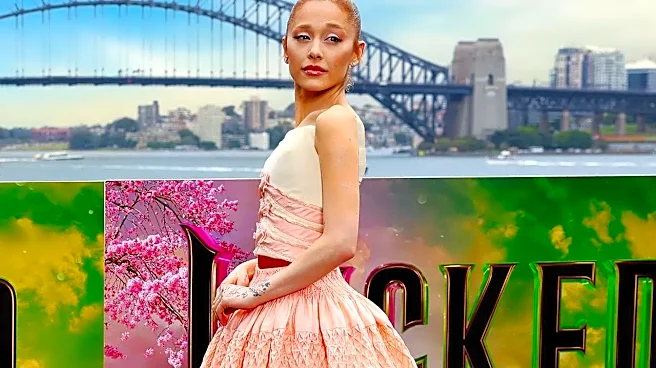





The cackling, green-skinned witch is one of cinema's most indelible villains. But what if she wasn't a villain at all? Wicked takes this classic Oz tradition and turns it inside out, using its familiar imagery to tell a new story of propaganda.
The Original Blueprint for Evil
Before
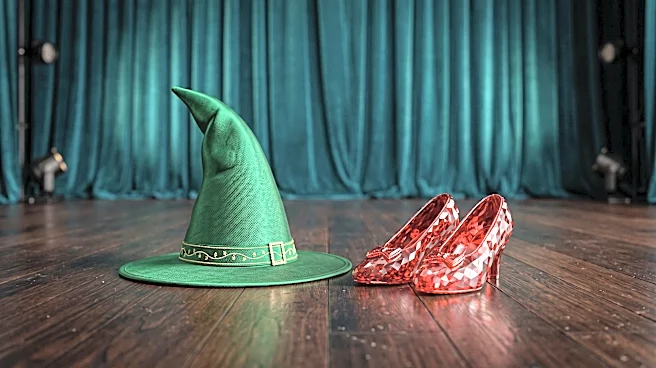
Wicked, there was the 1939 film The Wizard of Oz. While not the first telling of the story, its Technicolor vision defined these characters for generations. Margaret Hamilton's Wicked Witch of the West was a creature of pure, unexplained malice. Her green skin, pointy hat, and army of flying monkeys were simply signifiers of evil. She was terrifying because she was a one-dimensional threat, a fairy-tale monster whose motivations required no explanation. She wanted the ruby slippers and served as the primary obstacle to Dorothy's journey home. This cinematic tradition established a powerful visual shorthand: green skin equals wickedness, and anyone who looks like that must be hunted down and destroyed, as she ultimately is with a bucket of water. This simple, effective portrayal created the perfect foundation for a revisionist story to deconstruct.
Manufacturing a Monster
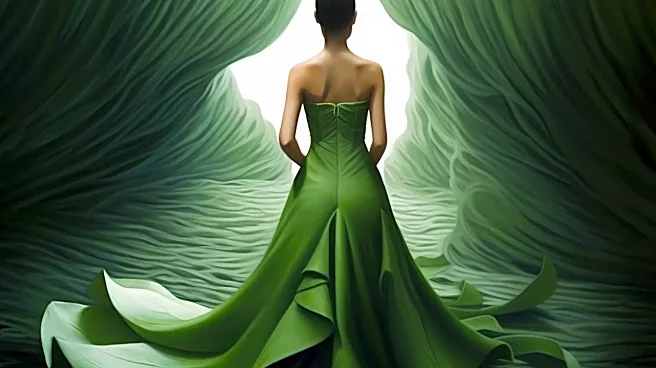
Wicked’s central genius is taking every element of that classic villain and giving it a sympathetic, tragic origin. The musical, based on Gregory Maguire's novel, reveals the witch's name is Elphaba. Her green skin isn't a mark of evil, but the result of a mysterious elixir her mother consumed. From birth, she is ostracized and feared for this difference. What was once a simple visual cue for villainy becomes a symbol of otherness and prejudice. Elphaba is not born wicked; she is treated as such because of how she looks. Society, including her own father, rejects her, setting the stage for her to become an outsider. This reframing is crucial: it shifts the source of evil from the individual to the society that judges her.
The Witch-Hunt as Political Theater
This is where the 'witch-hunt' imagery transforms from a literal chase into a powerful political metaphor. In Wicked, the Wizard of Oz is not a bumbling but kind-hearted leader; he's a manipulative charlatan who maintains power by creating a common enemy. When Elphaba discovers his plot to scapegoat the talking Animals of Oz and strip them of their rights, she rebels. In response, the Wizard and his press secretary, Madame Morrible, launch a propaganda campaign to brand her a 'wicked witch'. They expertly twist her actions to paint her as a public menace. The song 'March of the Witch Hunters' is a masterclass in this, showing how a populace can be whipped into a fearful frenzy through slogans and misinformation. The hunt for Elphaba isn't about stopping a genuine threat—it's about silencing a political dissident and uniting the public through manufactured fear.
Subverting the Iconic Symbols
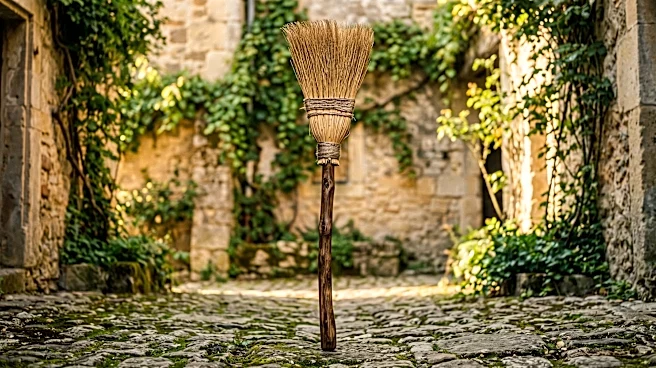
Wicked methodically reclaims the other iconic witch-like traits. The pointy hat, a symbol of malevolence in 1939, is given to Elphaba by her friend Glinda as a slightly mocking, but ultimately affectionate, gift. The fearsome flying monkeys are not monstrous minions but the tragic result of a spell Elphaba casts to try and save them, an act of attempted liberation that backfires horribly. Her defiance of the Wizard is literally framed as 'Defying Gravity', an act of empowerment. Even her famous melting is subverted; it's revealed to be a ruse, a staged death allowing her to escape the public's hatred. By giving a logical and often heartbreaking context to each of these 'wicked' attributes, the story dismantles the villain and reveals the woman underneath, forcing the audience to question everything they thought they knew.