


The Cupsole: An Icon of the Court
That familiar raised sidewall is part of what’s known in sneaker construction as a “cupsole.” It’s a pre-molded rubber sole that is stitched to the upper part of the shoe, creating a “cup” for the foot. This design became standard for court sports like
tennis and basketball for a practical reason: stability. The rigid walls provide excellent support for the rapid lateral movements essential to the game. For tennis players, this meant a reduced risk of rolling an ankle during a quick volley and baseline scramble. Over decades, this functional element became an aesthetic signature. Iconic shoes built with this durable construction cemented the link between the high-walled look and the world of tennis, transforming a piece of performance gear into a style staple.
The Language of ‘Clean’
So if it’s not just the sole, what else makes a sneaker feel like it belongs on a racquet club patio? The answer lies in a design language that screams “clean.” Tennis style, from the clothing to the footwear, has always been rooted in a kind of crisp, understated elegance. Court-inspired sneakers reflect this with minimalist designs. They typically avoid the bulky, tech-heavy look of modern running shoes or the aggressive paneling of skate shoes. A true court sneaker, regardless of its sole, often features a slim, low-to-the-ground silhouette. This low-profile cut, sitting below the ankle, emphasizes agility and a certain retro simplicity that harks back to the sport's earlier, less explosive eras.
It’s All in the Materials and Colors
Before advanced synthetics, tennis shoes were made of two primary materials: canvas and leather. The introduction of the first leather tennis shoe was a technological leap, offering more support and durability. Today, that smooth white leather upper is one of the most powerful signifiers of a tennis shoe. It communicates a premium, classic feel that immediately distinguishes it from a more casual canvas plimsoll. The color palette is just as crucial. The quintessential tennis sneaker is predominantly white, often accented with a single subtle color on the heel tab or side branding—think of the iconic green on a Stan Smith or the navy check on a vintage court model. This restrained use of color is a core part of the tennis aesthetic, suggesting a uniform-like neatness.
Subtle Details That Serve an Ace
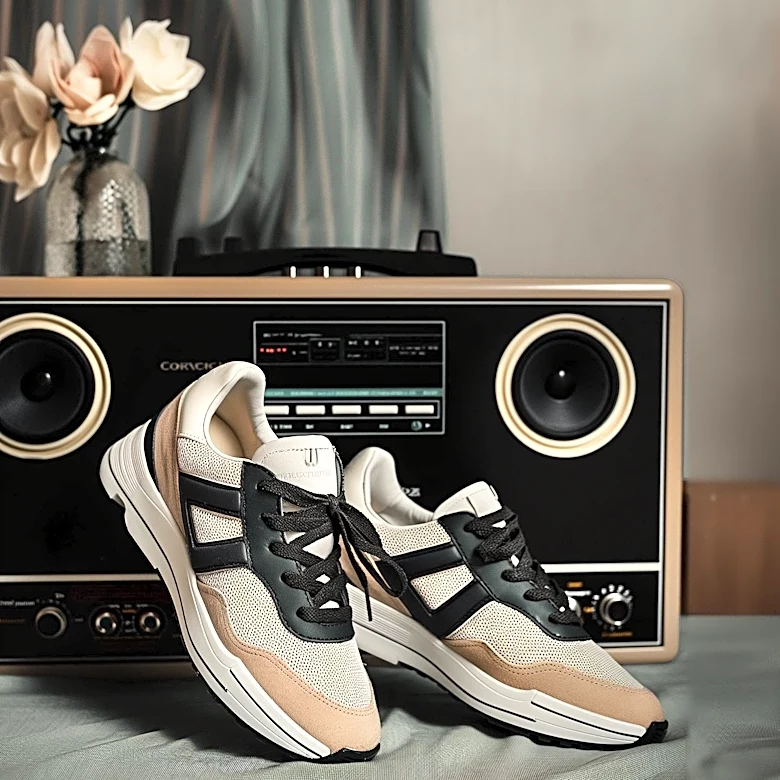
Beyond the big-picture silhouette and color, smaller details carry the tennis DNA. Perforations, for instance, are a classic element. Originally designed for breathability on the court, rows of tiny holes along the side of a shoe now serve as a subtle visual cue that references a performance past. The construction of the upper also plays a role. Tennis sneakers tend to have simple, elegant paneling. You won’t find excessive overlays or complex plastic cages. Even the toe box is often kept clean and unadorned, a stark contrast to shoes designed for other sports that might feature reinforced toe caps for dragging. The overall effect is one of thoughtful reduction, where every line feels intentional and nothing is superfluous.
Vulcanized Soles and Modern Minimalism
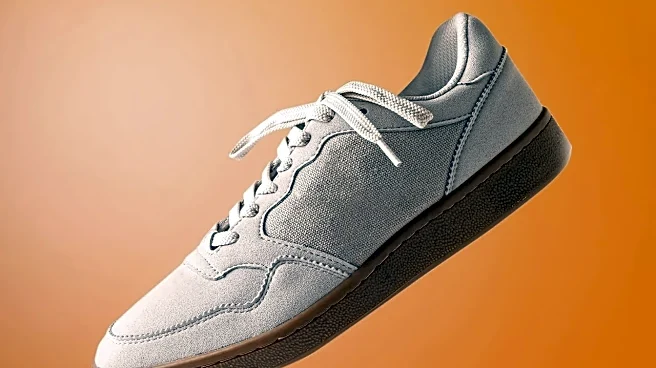
Many modern low-profile sneakers that feel tennis-inspired actually use a vulcanized sole. In this construction, a flat rubber sole is heat-bonded to the upper, often with a strip of foxing tape around the edge. This method results in a more flexible shoe with a slimmer, flatter look from the side. While it offers less lateral support than a cupsole, it excels at delivering that minimalist, close-to-the-ground feel. When a brand combines a vulcanized sole with a clean leather upper, a classic colorway, and minimal detailing, the result is a shoe that feels every bit as tennis-inspired as its cupsoled cousins. It captures the spirit of the sport's aesthetic heritage without being a literal copy of a vintage performance model.