




The Age of the Sizzle Reel
In the early days of San Diego Comic-Con, a "trailer" was a generous term for what was shown. Studios would often present sizzle reels—scrappy compilations of behind-the-scenes footage, concept art, and maybe a few finished-looking scenes. These weren't
intended for a global audience; they were an exclusive treat for the dedicated fans in the room, a thank-you for their passion. A sizzle reel's main purpose was to sell a concept or prove a tone, often to network executives or internal stakeholders, not necessarily to the public. At Comic-Con, they were a low-stakes way to give fans a peek behind the curtain, fostering a sense of community and inside knowledge. There was no grand strategy for dominating the news cycle or breaking the internet, primarily because, for many years, there was no internet to break.
The Iron Man Game-Changer
Everything changed in 2007. Marvel Studios, then a fledgling production company betting everything on its B-list characters, brought Iron Man to Hall H. Director Jon Favreau famously showed cobbled-together footage from a film that was still a year from release. The grainy recording of the crowd's ecstatic reaction, which Favreau himself filmed, became as legendary as the footage itself. This was the turning point. The trailer wasn't just a preview; it was an event. It proved that a well-timed, high-energy presentation to a room of superfans could generate enough buzz to launch a franchise. Marvel hadn't just shown a trailer; it had created a proof-of-concept for a new marketing model. Comic-Con was no longer just a place to celebrate existing properties; it was the ultimate launchpad for new ones.
The Science of Hype
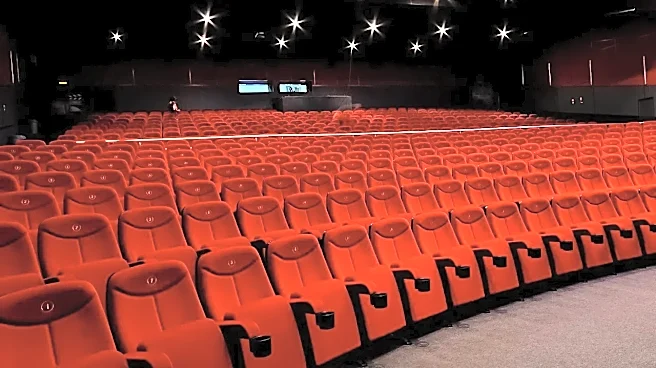
In the years following the Iron Man reveal, studios refined Marvel's blueprint into a science. The Comic-Con trailer evolved into a precision-focused brand asset. These weren't just clips anymore; they were meticulously engineered pieces of marketing designed for maximum impact. Every shot, music cue, and character reveal is tested and debated. The goal is no longer just to please the 6,000 people in Hall H, but to win the weekend's entire online conversation. The modern Comic-Con trailer is built to be dissected. It’s seeded with Easter eggs for eagle-eyed fans, designed for shareable moments that can be instantly turned into GIFs and memes, and optimized for reaction videos on YouTube and TikTok. Success is measured in social media trends, search volume, and sentiment analysis. The trailer itself is just the beginning of a months-long, data-driven campaign.
When Fans Become Marketers
The final evolution is perhaps the most fascinating: studios now market the reaction as much as the trailer itself. The roar of the Hall H crowd is the social proof that a film is a must-see event. For years, studios fought a losing battle against grainy, leaked cell phone recordings of their exclusive footage. Now, they’ve embraced the dynamic. They often release a pristine, high-definition version of the trailer online just minutes after its Hall H debut. This two-pronged approach serves both audiences. The fans in the room get their exclusive 'I was there' moment, and the global online audience gets to participate in the excitement almost immediately. The fans, in turn, become unpaid marketers, amplifying the studio's message through their organic excitement, analysis, and debate. It’s a powerful, symbiotic relationship that has turned a four-day fan convention into one of the most critical weekends on Hollywood's calendar.