




The air gets crisp, the decorations go up, and the horror movies come out. For a growing number of fans, the ultimate Halloween tradition isn't just watching scary movies, but seeing them back on the big screen where they belong.
An Annual Cinematic Ritual
Forget pumpkin spice;
for many film lovers, the true flavor of fall is the taste of buttery popcorn in a dark theater as a beloved horror classic unspools. The seasonal re-release of horror movies has become as much a part of the Halloween experience as costumes and candy. Every October, theater chains like AMC, Regal, and Alamo Drafthouse, along with countless independent cinemas, resurrect frights from yesteryear. This isn't a niche phenomenon. Trancas International Films, the rights holder for John Carpenter's seminal 1978 'Halloween', announced nearly 2,000 screenings across hundreds of U.S. theaters for its 2026 run. It's a testament to the film's enduring power and a tradition that sees fans returning year after year for the communal thrill.
The Psychology of a Shared Scream
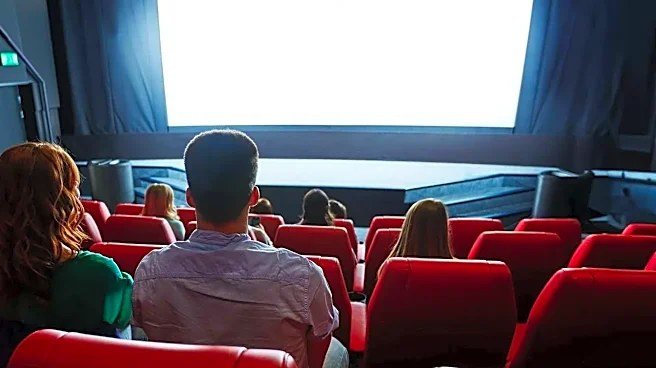
So why pay for a ticket to a movie that's likely available on a dozen streaming services? Because you aren't just paying for the film; you're paying for the audience. There's a unique, unifying energy to experiencing a horror movie with a crowd of fellow fans. The collective gasp when the killer appears, the shared shriek during a jump scare, and the nervous laughter that follows are all part of a communal catharsis you can't replicate at home. Psychologically, sharing a frightening (but safe) experience can foster bonds and a sense of connection. It externalizes our own anxieties into a manageable form—a monster on a screen—and allows us to conquer them together, emerging with a sense of relief and exhilaration. As horror maestro Wes Craven once put it, 'Horror films don't create fear. They release it'.
Bigger, Louder, Scarier
The theatrical experience also offers a technical superiority that your living room setup, no matter how advanced, can rarely match. Horror is a genre of atmosphere, and the big screen is its natural habitat. The immense scale makes the monster more imposing and the haunted house more cavernous. More importantly, professional theater sound design is a critical part of the horror equation. John Carpenter's iconic piano score for 'Halloween' isn't just a catchy tune; it's a weapon of suspense. In a theater, that simple 5/4 rhythm becomes a palpable warning that vibrates through your seat, a feeling that a phone speaker or soundbar simply can't deliver. The deep, enveloping darkness, with no glowing phone screens or hallway lights to break the spell, makes the on-screen terror all the more immediate.
This Year's Classic Frights
This October is no exception to the trend. Alongside the widespread re-release of Carpenter's 'Halloween', AMC's 'Thrills & Chills' series is bringing back a slate of classics in a partnership with the band Ice Nine Kills. The program includes screenings of 'Friday the 13th' (1980), 'American Psycho' (2000), and 'Pet Sematary' (1989), each getting a new moment in the spotlight. Cinemark and Regal are also running their own horror festivals, featuring everything from family-friendly fare like 'The Nightmare Before Christmas' to foundational slashers. This annual revival serves not only the die-hard fans but also a new generation, giving them a chance to see these foundational films as they were originally intended: in a dark room full of strangers, all screaming together.