



Boomers: The Cynical Protector
For Baby Boomers, the summer movie hero wasn't born in a cape; he was forged in the cynical fires of the 1970s. This was the dawn of the blockbuster, and its heroes were often regular, flawed men pushed to extraordinary limits. Think of Police Chief Brody
in "Jaws" (1975). He wasn’t a super-cop, but a family man from New York who was afraid of the water and forced to confront a primal terror that the town's negligent leadership ignored. He was an everyman facing institutional failure, a theme that resonated with a generation that came of age questioning authority post-Vietnam and Watergate. These heroes, like Clint Eastwood's "Dirty Harry," were often weary, world-worn, and operated with a moral code that clashed with the bureaucracy around them. They weren't fighting for truth, justice, and the American way in a shiny suit; they were just trying to protect their corner of the world from chaos, and they rarely trusted the people in charge to help.
Gen X: The Indestructible Wiseguy
Generation X, the latchkey kids of the 1980s, grew up on a different breed of hero: the high-concept, seemingly indestructible action star. Where Boomer heroes were vulnerable, Gen X heroes were masters of their domain, dispatching bad guys with a perfect one-liner. The quintessential example is John McClane in "Die Hard" (1988). He was a working-class cop in the wrong place at the wrong time, but he was also hyper-competent, resilient, and endlessly sarcastic in the face of certain death. Unlike the grim heroes of the 70s, McClane and his peers—like Indiana Jones or Maverick in "Top Gun"—were cool. They were self-reliant icons for a generation accustomed to figuring things out on their own. They embodied a specific brand of American swagger: capable, a little cynical, but ultimately able to save the day single-handedly, all while making it look effortlessly entertaining.
Millennials: The Burdened 'Chosen One'
As the new millennium dawned, the lone-wolf hero gave way to the "chosen one" burdened with a world-saving destiny. For Millennials, heroism wasn't a choice; it was a birthright and a heavy responsibility. The ultimate Millennial hero is Harry Potter, who quite literally grew up alongside his audience. The film series, launching in 2001, presented a hero who was defined by his connections to friends and mentors, battling evil not as a lone warrior but as part of a community. This theme of collective struggle and shared destiny was mirrored in other era-defining franchises like "The Lord of the Rings." These weren't wisecracking heroes who had it all figured out; they were often anxious, full of self-doubt, and had to learn to accept help. They faced systemic evil and learned that victory was impossible without loyalty and friendship, a narrative that resonated with a generation coming of age in the shadow of 9/11 and the rise of the internet, which fostered new kinds of global communities.
Gen Z: The Self-Aware Team Player
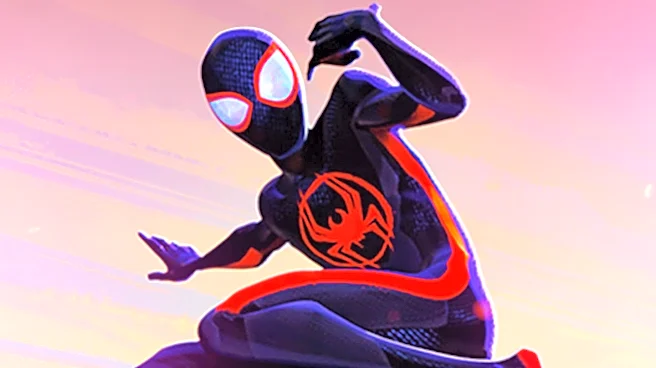
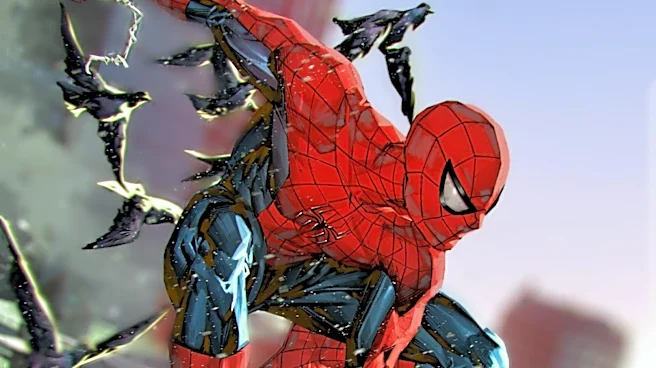
For Gen Z, who have grown up in a world of interconnected cinematic universes, the very idea of a singular hero has been deconstructed. Their heroes are overwhelmingly part of a team, like the sprawling cast of the Marvel Cinematic Universe (MCU). More than any previous generation, their icons grapple with the legacy and the very definition of heroism itself. Characters like Tom Holland's Spider-Man or Miles Morales in "Into the Spider-Verse" are deeply self-aware, wrestling with impostor syndrome and the weight of the mantles they've inherited. Their stories are often about identity, representation, and finding their place within a complex, often broken world. While superhero fandom is present, Gen Z's engagement can be more fragmented, with audiences sometimes showing more interest in anime or other media. For this generation, a hero isn't just someone who wins a fight; they're someone who understands their own identity and their role in a much larger, more diverse universe.