






A Pressure Cooker, Not a Continent
Where Game of Thrones sprawled across Essos and Westeros, from the frozen North to the deserts of Dorne, House of the Dragon pulled its focus inward, cinching the narrative leash tight around a few key locations: the Red Keep, Dragonstone, and Driftmark.
This wasn't a show about conquering a kingdom; it was about surviving a household. By confining its characters to the same gilded halls and windswept castles, the series created a pressure cooker environment. Every whispered accusation, resentful glance, and forced smile echoed off the stone walls, unable to dissipate into the open air. There was no escape. The simmering hatred between Queen Alicent and Princess Rhaenyra wasn't a distant political rivalry; it was a poison that infected every state dinner, every council meeting, and every private moment. The battlefield was the dinner table, and the weapons were veiled insults and pointed toasts.
Every Argument Carries the Weight of the Realm
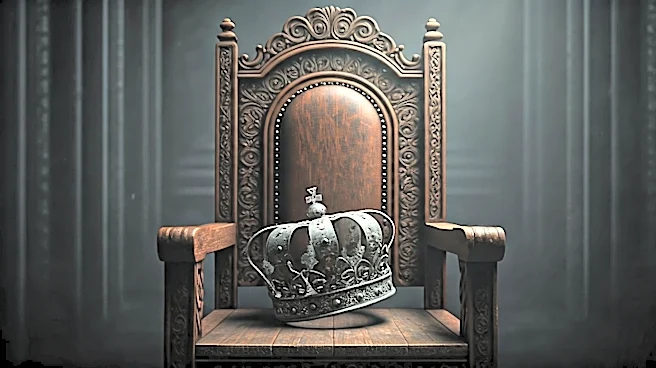
The genius of the show’s writing is in how it inextricably links personal feelings to political destiny. A childhood scuffle between princes that results in a lost eye isn’t just a moment of playground violence; it’s an insult to a future queen and a blood debt that will be called due decades later. King Viserys’s fatal flaw isn't military weakness but a desperate, deeply human desire to keep his family from fracturing. His pleas for his daughter and wife to “make amends” are not just the words of a weary father, but of a king trying to hold a teetering realm together with love and denial. Each of his failures to manage his family is a direct failure to secure the future. In this world, there is no difference between a private grievance and a public crisis. A son’s parentage is questioned, and lords begin sharpening their swords. A daughter feels unheard, and the line of succession fractures.
When a Shared Glance Is a Declaration of War
House of the Dragon understands that the most devastating conflicts are often the quietest. The show’s most memorable and high-stakes sequence wasn’t a dragon fight, but the last supper in Episode 8, “The Lord of the Tides.” With a dying Viserys presiding, the two halves of the Targaryen family attempt a fragile peace. The tension is almost unbearable, built not on drawn steel but on strained civility. Aemond’s toast to his “strong” nephews is a masterful declaration of war disguised as a compliment. Rhaenyra and Alicent’s brief, shared moment of understanding across the table feels like a monumental breakthrough, only to be shattered moments later. The show repeatedly demonstrates that in a royal court, power isn't just wielded with armies; it’s wielded with whispers, stares, and the strategic deployment of a cutting remark. These moments feel huge because they represent the final, missed opportunities to avert a catastrophe we all know is coming.
A Family Tragedy Foretold
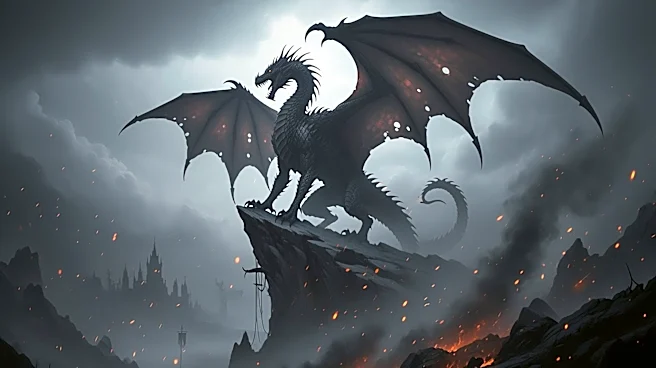
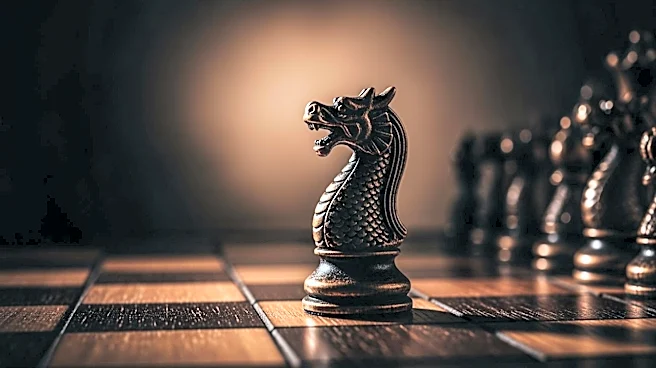
Unlike Game of Thrones, which often relied on the shock of the unexpected (The Red Wedding, Ned Stark’s execution), House of the Dragon operates as a classical tragedy. We know the destination: a brutal civil war called the Dance of the Dragons that will tear the house apart and kill most of its dragons. This foreknowledge changes everything. The story isn't about *if* the war will happen, but *how* these specific, flawed people will personally cause it. We aren't watching a chess game; we are watching a slow-motion car crash. Every time a character makes a poor choice, extends an olive branch that is rejected, or misunderstands another’s intent, the sense of dread builds. The tragedy is that they are all, in their own way, trying to do what they think is right for their family, but their pride, grief, and ambition make the war inevitable. The real enemy isn't an external force, but the decay within their own hearts.