


It All Started With a Sunburn
Before the 1930s, a tan was often associated with the laboring class. But when fashion icons like Coco Chanel were photographed with a sun-kissed glow after a cruise, public perception shifted dramatically. Suddenly, a tan became a symbol of leisure and
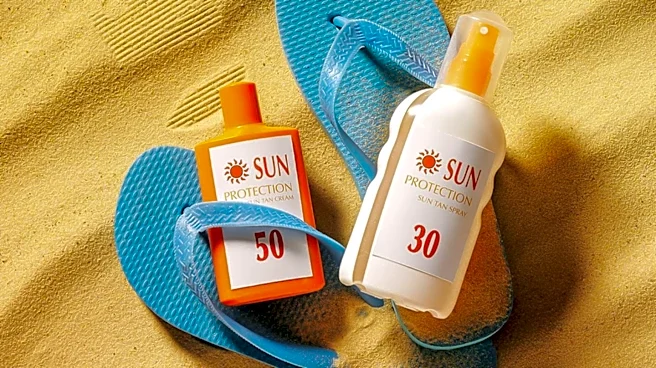
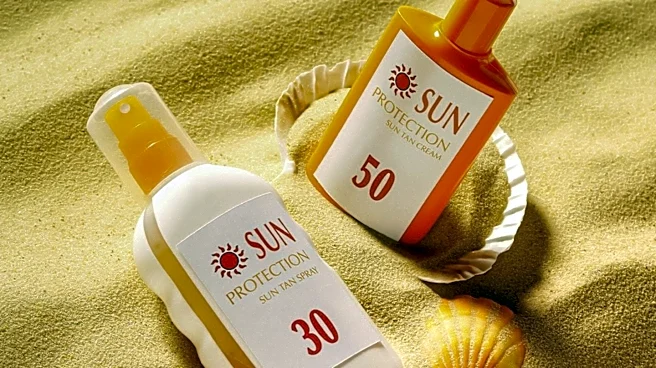
affluence. This created a new problem: sunburn. Early attempts at sun protection were rudimentary. A Swiss chemist, Franz Greiter, was inspired to create a 'Glacier Cream' after getting a terrible sunburn while mountain climbing in 1938. This product, which would eventually become the brand Piz Buin, had an SPF of only 2. Around the same time, a pharmacist named Benjamin Green developed a thick, red petroleum jelly to protect WWII soldiers in the Pacific, a concoction that would later be refined into Coppertone suntan cream. These products weren't about anti-aging; they were about enabling a burn-free tan, marking the first major consumer demand driven by outdoor leisure.
The Quest for the 'Safe' Tan
As beach culture boomed in the post-war years, so did the desire for a deep, golden tan, fueled by surf rock, beach movies, and shrinking swimsuits. The market responded not just with sunscreens but with tanning oils designed to accelerate the process. However, as scientists began linking UV exposure to skin cancer and photo-aging in the 1960s and 70s, a new need emerged: the sun-kissed look without the sun. This sparked the birth of the self-tanning industry. The first mainstream self-tanner, Coppertone's 'Quick Tanning Lotion,' was introduced in the 1960s. Early formulas were notoriously streaky and orange, but the demand was undeniable. Consumers wanted the aesthetic of a beach vacation year-round, pushing companies to innovate toward the natural-looking mousses, sprays, and gradual tanning lotions that are now staples.
From After-Sun Repair to Barrier Care
A day at the beach creates challenges beyond just UV rays. The combination of intense sun, dehydrating saltwater, and abrasive wind left skin feeling tight, irritated, and damaged. This gave rise to the 'after-sun' category, products specifically designed for soothing and recovery. Bottles of cooling aloe vera gel became a fixture in beach bags and bathroom cabinets. These products were the precursors to today's obsession with 'barrier repair.' They focused on calming inflammation and replenishing lost moisture, using ingredients to help skin recover from environmental stress. This concept—that skin needs dedicated support after being compromised—is now a cornerstone of modern skincare, evident in the popularity of ceramide creams, hydrating masks, and soothing serums used to combat daily stressors like pollution and dry indoor air.
Beach Prep Becomes the Everyday Routine
The rituals once reserved for a week-long vacation have seamlessly integrated into our daily lives. The need to exfoliate before applying self-tanner for an even glow taught a generation about the importance of removing dead skin cells for better product absorption. That lightweight, non-greasy moisturizer you love for summer? It was perfected to feel comfortable in heat and humidity. The demand for waterproof mascara that could withstand a dip in the ocean led to the development of long-wear makeup formulas we now rely on for busy workdays. Most importantly, the concept of a Sun Protection Factor (SPF), introduced by Franz Greiter in 1962 and regulated by the FDA in 1978, has evolved from a vacation-only item to a non-negotiable final step in millions of daily skincare routines.