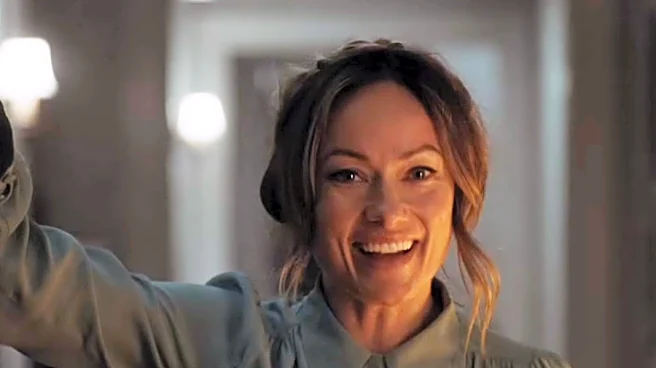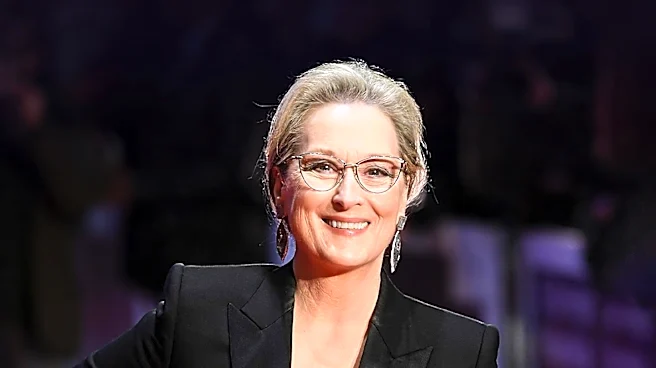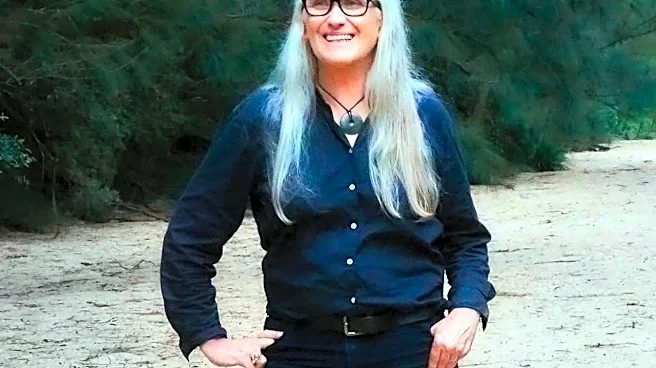


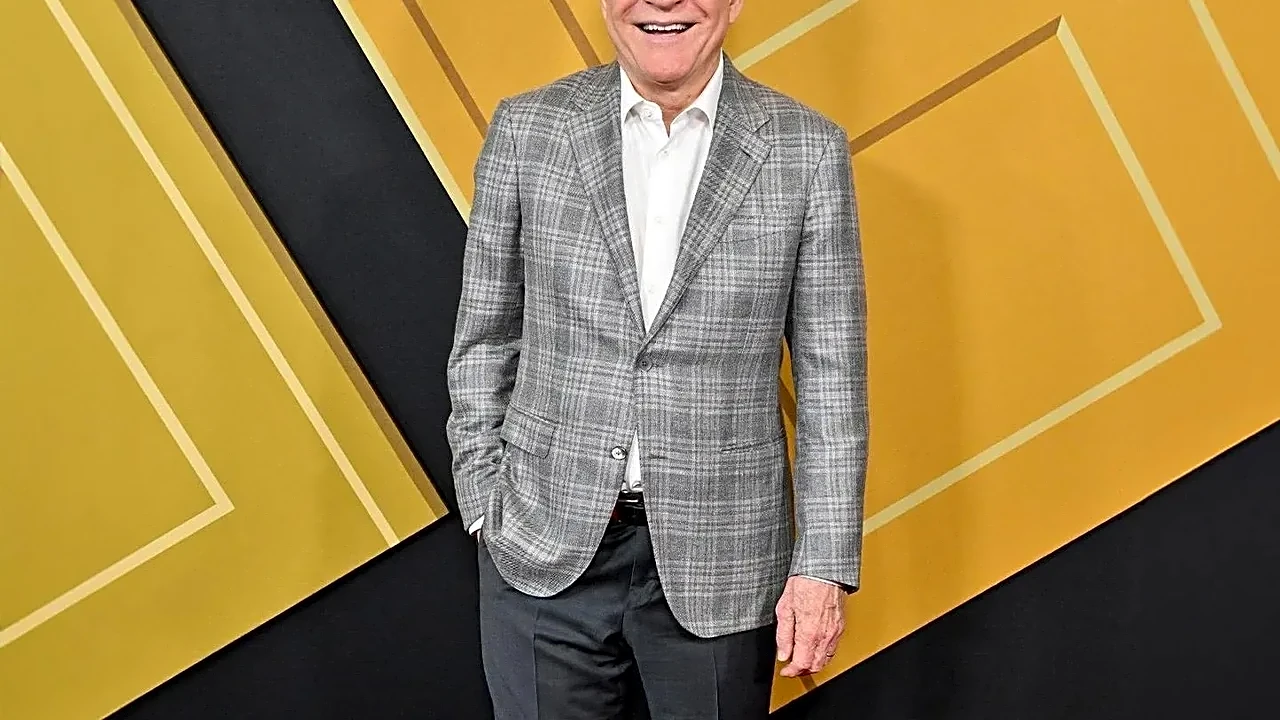

Jane Campion's films are acclaimed for their raw, emotional power. A key ingredient is her uncanny knack for casting, a process that has consistently defied Hollywood's conventional wisdom and left studio executives scratching their heads.
The Hollywood Casting Playbook
In the world
of big-budget filmmaking, casting is often more of a science than an art. Studio executives, guided by algorithms and bottom lines, typically rely on a well-worn playbook. This involves prioritizing 'bankable' stars whose names are proven to attract audiences, typecasting actors who fit a preconceived mold, and generally minimizing risk at every turn. It’s a system designed for predictability, where an actor's previous box office performance or their perceived 'type' can be more important than a nuanced audition. The process can be so rigid that directors of major films sometimes can't even get a meeting with top-tier talent without making a formal offer through the agent system. This risk-averse environment favors the familiar over the unexpected, creating a cycle where the same faces are often tapped for similar roles.
Campion's Search for Authenticity
Jane Campion operates on a different wavelength entirely. As an auteur, she approaches casting not as a commercial calculation but as a search for a soul that matches the character's. She is known for her intuitive, deeply personal process, often looking past an actor's résumé to find a hidden vulnerability or an unexpected fire. For Campion, it’s less about whether an actor has played a similar role and more about their courage and their willingness to 'go deep'. Her auditions can be unconventional, sometimes involving improvisation sessions where she speaks to the actor as their character to see what emerges. This method prioritizes an actor's inner life and their potential for transformation over their established on-screen persona, a philosophy that directly challenges the studio system’s reliance on proven formulas.
A Perfect Case Study: 'The Piano'
The casting for her 1993 masterpiece, 'The Piano', is a prime example of her unique approach. For the lead role of Ada, a mute Scotswoman, Campion initially pictured someone tall and physically imposing. Instead, the five-foot-two Holly Hunter relentlessly pursued the part. What confused outsiders became Campion's masterstroke. Hunter, a formidable piano player herself, delivered a powerhouse, nearly silent performance that earned her an Academy Award. Even more surprising was the casting of 9-year-old Anna Paquin as Ada's daughter, Flora. After a massive search across New Zealand, the inexperienced Paquin gave an audition that was so complex and layered—swinging from innocent to manipulative—that it immediately caught Campion's eye. The gamble paid off spectacularly, with Paquin also winning an Oscar, becoming one of the youngest winners in history. A studio might have balked at a non-speaking lead and an unknown child actor, but Campion's instincts proved them wrong.
Redefining Masculinity in 'The Power of the Dog'
Decades later, Campion was still confounding expectations with her 2021 Western, 'The Power of the Dog'. For the role of the brutish, hyper-masculine rancher Phil Burbank, she cast Benedict Cumberbatch, an actor best known for playing intellectuals and superheroes. Campion herself admitted he was an 'unusual choice', but she saw a courage and charisma in him that the role required. She believed that challenging a great actor to find those qualities within themselves is more thrilling than casting to type. Similarly, for the delicate and complex role of Peter, she saw something special in Kodi Smit-McPhee. Their audition involved an improv session where Campion, as herself, spoke to Smit-McPhee as Peter, a method designed to push the actor out of his comfort zone and reveal the character's core. The resulting performances from both actors drew universal acclaim, validating Campion's belief in casting against the grain.