





An All-American Style Born from War
The story of American sportswear begins with an interruption. When Nazi Germany occupied Paris in 1940, the world’s fashion capital went dark. For the first time, American designers were forced to innovate on their own terms, without the influence of French
couture. This, combined with the immense pressure of World War II, created a unique set of circumstances. Fabric and material rationing meant designers had to be creative with less. Wool, silk, and metals were redirected to the war effort, while practical, durable fabrics like denim, rayon, and cotton became the materials of a new, distinctly American style. The result was clothing defined by function, comfort, and a clean, unpretentious aesthetic—a fashion identity forged in practicality and independence.
The Rise of Ready-to-Wear
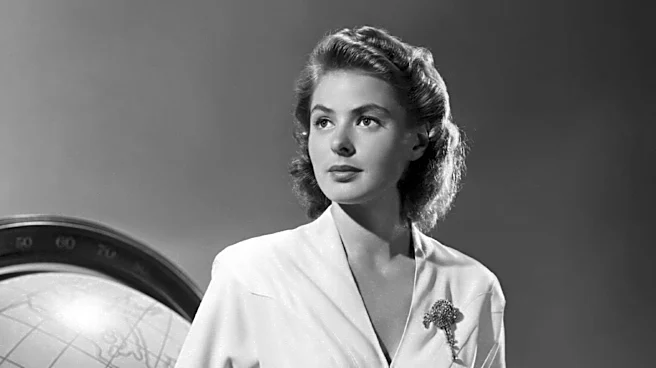
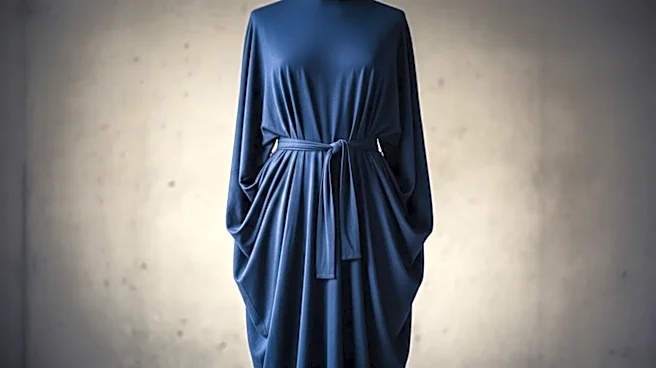
This new style wasn't just about making do; it was about reflecting a changing nation. As millions of women entered the workforce to support the war effort, they needed clothes that were safe, practical, and mobile. The era saw the popularization of trousers for women, tailored suits with strong, masculine shoulders, and wraparound dresses that were both stylish and functional. This shift gave rise to pioneering American designers like Claire McCardell, who championed the idea of mix-and-match separates. Her famous "Popover" wrap dress, designed in 1942, was a versatile garment that could be worn for work or leisure. This concept of a modular wardrobe—more looks with fewer pieces—was revolutionary, democratic, and perfectly suited to the American lifestyle.
From the Campus to the Closet
While wartime necessity shaped the decade's fashion, the post-war boom cemented sportswear's place in the American closet. The late 1940s saw an explosion of casual culture, driven by the expansion of suburbs and a growing university population. Men’s fashion embraced a new casualness with knit sport shirts, V-neck sweaters, and comfortable, wide-leg chinos—many of which were adapted from military wear. The boxy, collared shirts, often in plaids or solid earth tones, were a staple of this new leisure look. For both men and women, this style represented a departure from stiff European formality. It was relaxed, youthful, and aspirational, embodying the optimism and easy confidence of post-war America.
The Modern Curators of a Bygone Era
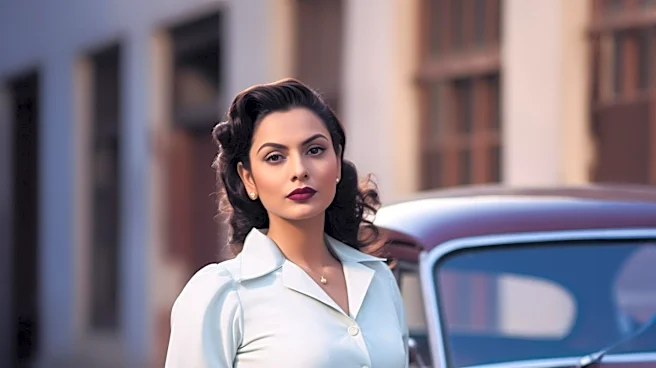
Today, the enduring appeal of 1940s sportswear isn't just about nostalgia; it’s about the stories embedded in the clothes. The “hidden influence” behind the racks of vintage shops are the owners and collectors who act as historians and curators. They recognize that these pieces represent a pivotal moment when American fashion found its own voice. The appeal also aligns with a modern focus on sustainability and durability; these garments were made to last. Online influencers and niche communities on platforms like TikTok have also played a role, showcasing how to integrate these timeless, well-constructed pieces into a contemporary wardrobe. They aren't just selling old clothes; they are preserving a legacy of American ingenuity, resilience, and the birth of casual cool.