





The David vs. Goliath Instinct
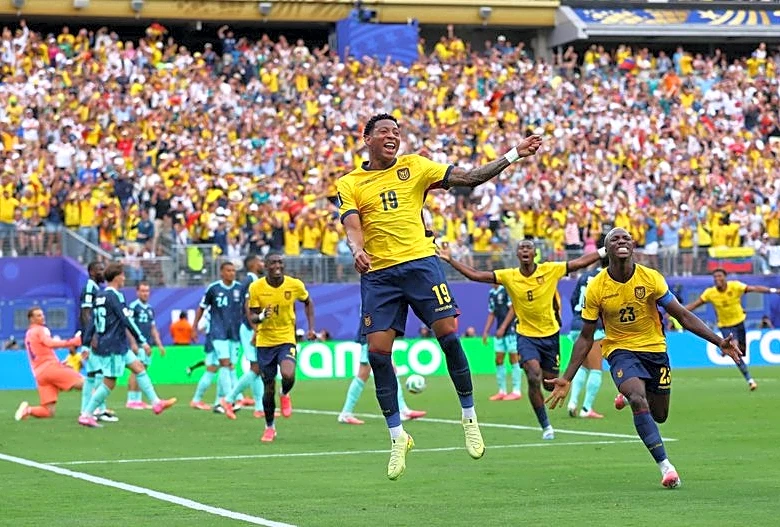
At its core, our love for the long shot is a love for a good story, and there's no older story than the little guy beating the giant. Psychologically, this taps into our innate sense of fairness. When one team is a powerhouse dynasty with an enormous
payroll and all the advantages, our brains crave a balancing of the scales. We resent perennial winners and start rooting for them to lose, a feeling sometimes called schadenfreude. An underdog's victory feels like a win for justice itself, a reminder that the world isn't always rigged in favor of the powerful. It’s why the 1980 U.S. Olympic hockey team, a group of college kids, defeating the seemingly invincible Soviet Union became the “Miracle on Ice.”
A Low-Stakes Emotional Bet
For a neutral fan, adopting a dark horse is all upside. Your primary team isn't involved, so there's no real emotional skin in the game. If the plucky underdog loses, well, they were expected to. There's no heartbreak, just a shrug and appreciation for the effort. But if they win? The joy is immense because it’s entirely unexpected. Studies have shown we get more pleasure from a surprise success than an expected one. It's a low-risk, high-reward emotional investment. This also explains the “us against the world” mentality that fuels these teams; they play with a freedom that heavily favored teams, burdened by expectations, simply can't.
The Appeal of the Blank Canvas
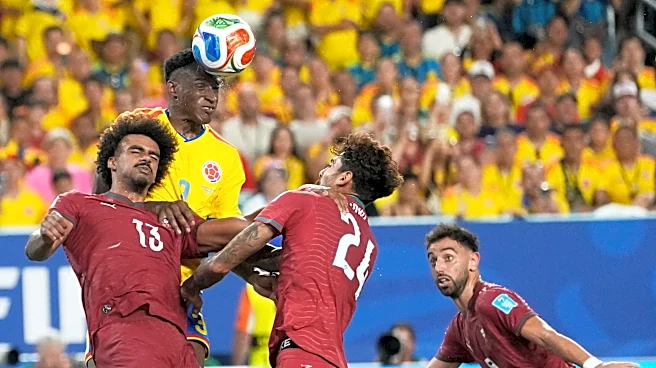
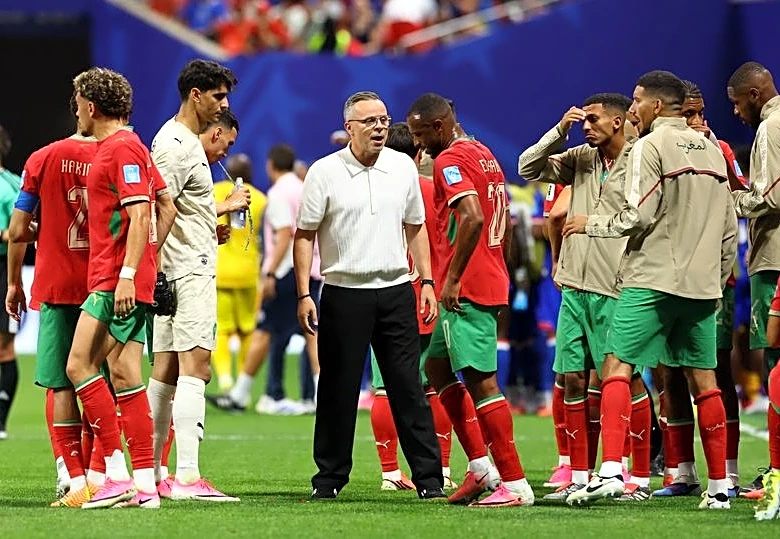
Dominant teams come with years of baggage—bitter rivalries, controversial players, and over-saturation. A dark horse, by contrast, is often a blank canvas. Think of Greece at the 2004 European Championship or Morocco at the 2022 World Cup. Most global fans didn't know the players or the team’s history. This allows us to project our own hopes onto them. They aren't defined by old narratives; they're creating a new one right before our eyes. Their story feels purer, driven by heart and teamwork rather than by money and legacy. They are often just a collection of hardworking players who were overlooked but have every bit as much skill and grit.
A Story That Travels Fast
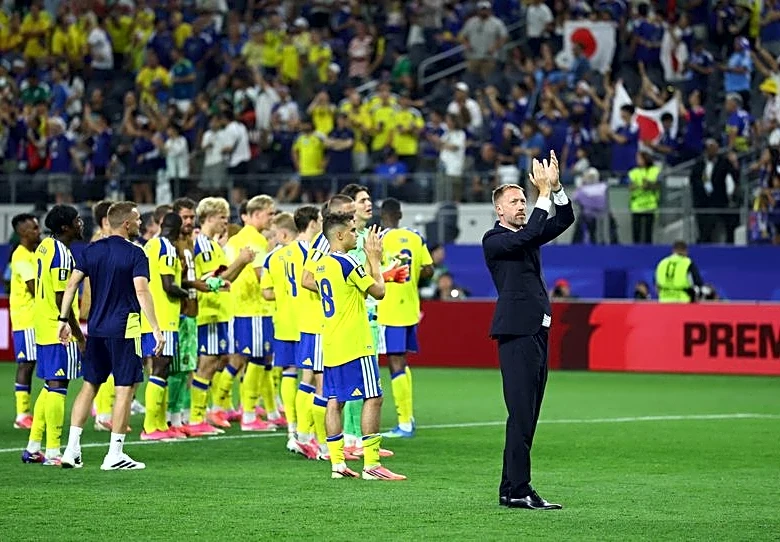
In the past, a local underdog story might have stayed local. Today, it goes global in an instant. Thanks to social media and 24/7 streaming, a fan in Tokyo can get as invested in a Premier League shock as a fan in London. These digital communities are stitched together by highlights and hashtags. A team like Norway, heading into a tournament like the 2026 World Cup with world-class stars but little historic team success, can become a global darling overnight. Their narrative isn’t confined to their home country; it's a worldwide phenomenon, creating a temporary, united front of new supporters who all want to see the same impossible story come true.