


The Problem with 'Expensive Costumes'
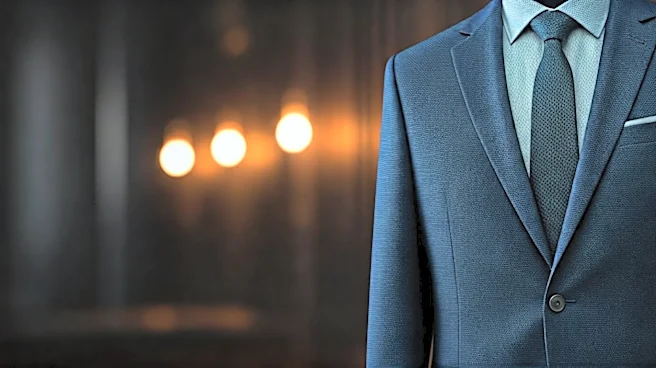
Walk into any high-end department store, and you’ll find racks of jackets from famous fashion houses costing thousands of dollars. They have the right cut, the right fabric, the right name. But put one on, and something feels… off. It might feel stiff,
restrictive when you lift your arms, or just sit on you like a shell. This is an 'expensive costume.' It’s a garment designed to look like luxury from a distance, but it lacks the soul of true craftsmanship. The price reflects marketing and branding, not the hours of skilled labor required to make clothing that not only looks good but feels incredible to wear.
The Secret: The Hand-Set Sleeve
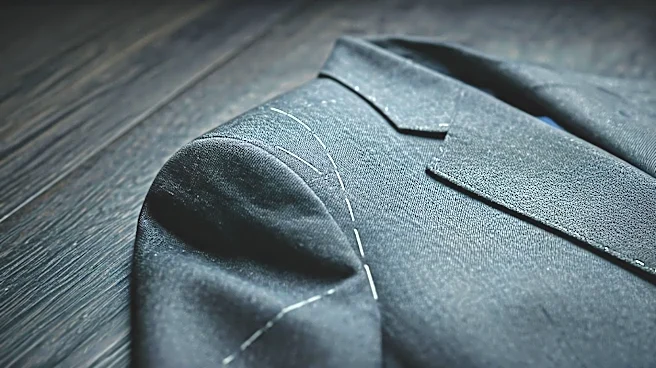
The detail we’re talking about is how the sleeve is attached to the body of a jacket. Specifically, we're focusing on a hand-set sleeve. On a machine-made jacket, the sleeve and the armhole (the 'scye') are two-dimensional pieces of fabric sewn together flatly, often before the side seams are even closed. It’s fast and efficient. But a human arm is not a flat object. A master tailor understands this. They cut a sleeve cap that is actually larger in circumference than the armhole it’s being sewn into. This excess fabric has to be painstakingly 'eased' into the opening by hand. The tailor uses their fingers to gently distribute the fullness, creating a three-dimensional shape that follows the natural curve of your shoulder and allows for a greater range of motion. This is artistry, not automation.
Spalla Camicia: The Telltale Sign
The most famous and visible example of this technique is the Neapolitan 'spalla camicia,' or 'shirt shoulder.' Because the sleeve head is larger than the armhole, the tailor creates small, subtle puckers or shirring at the top of the shoulder seam as they sew it in. It looks almost like the top of a gathered shirt sleeve—hence the name. To the untrained eye, it might look like a mistake. To those in the know, it’s a beautiful, deliberate declaration of handwork. This detail is impossible to replicate by machine. It’s a badge of honor indicating that a skilled human, not a robot, constructed the garment. While other soft-shoulder styles also use hand-setting for a smooth look, the 'spalla camicia' proudly displays its handmade origins.
Why It Matters: Comfort, Drape, and Longevity
So, besides being a sign of craftsmanship, what’s the big deal? The difference is night and day. First, comfort. The fullness created in the sleeve cap acts like a natural gusset, giving your arm unparalleled freedom of movement. You can reach, drive, and gesture without the entire jacket pulling across your back. Second, the drape. A hand-set sleeve falls cleanly from the shoulder without the rigid, padded look of many off-the-rack jackets. It creates a softer, more natural silhouette that is both elegant and relaxed. Finally, longevity. This construction method puts less stress on the shoulder seam, meaning the jacket will wear better over time, molding to your body and becoming a true second skin.
How to Spot True Quality
Next time you’re trying on a jacket, ignore the price tag for a moment and focus on the shoulder. Look for the subtle shirring of a 'spalla camicia' or, in its absence, a beautifully smooth roll with no lumps or divots. Then, put it on and lift your arms. Does the collar lift off your neck? Does the jacket bind across your shoulders? A well-made jacket with a hand-set sleeve will feel almost like you’re not wearing it. It moves with you, not against you. This is the difference you’re paying for—not the brand name, but the tangible, functional benefit of superior construction.