






The idea of building an outfit entirely from secondhand finds once seemed like a challenge for only the most dedicated thrifters. Today, it’s a mainstream move for anyone seeking style, sustainability, and unparalleled value.
Why 'Better' Means More Than Just Cheaper
Let’s get one thing straight:
shopping resale isn't just about saving money, though getting luxury brands or high-quality garments for a fraction of their original price is a major perk. 'Better' in the resale world means building a wardrobe that’s unique, sustainable, and often of higher quality than what's available new. By choosing pre-owned, you sidestep mass-produced fast fashion, reducing the chance you’ll see your twin across the street. You also actively participate in a circular economy, extending the life of clothing and reducing the massive environmental footprint of new apparel production, which is a significant source of global carbon emissions and waste. Every secondhand purchase keeps a perfectly good item out of a landfill and lessens the demand for new manufacturing.
The Modern Treasure Map: Where to Look
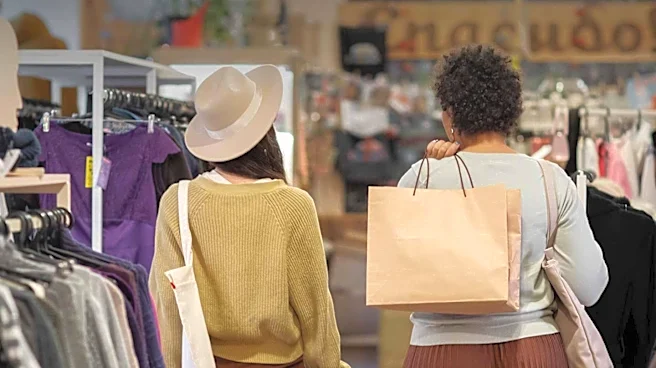
The resale landscape has exploded far beyond dusty local thrift shops. Your strategy should adapt to what you're looking for. Online platforms like Poshmark, Depop, and Mercari have become go-to spots, each with its own vibe. Poshmark excels for mid-to-high-end brands and has a strong social community, while Depop is a hub for Gen Z trends and vintage streetwear. For authenticated luxury, The RealReal and Vestiaire Collective are industry leaders, offering access to brands like Gucci and Chanel at more accessible price points. Don't discount eBay, which remains a powerhouse for finding everything from specific sneaker models to rare vintage pieces. The key is knowing which platform best suits your style and needs; for example, a vintage band tee is more likely to pop up on Depop or Etsy than on a curated luxury site.
The Thrifter's Mindset: Strategy is Everything
Going into resale shopping without a plan is a recipe for an overstuffed closet of things that don't work together. The secret to success lies in a strategic approach. First, know your measurements. Sizing has changed dramatically over the years, so a vintage size 10 might be a modern size 6. Comparing a garment's listed measurements to a piece you already own and love is the single best way to ensure a good fit online. Second, shop with a list, even a loose one. Know what gaps exist in your closet—do you need a great pair of jeans, a classic blazer, or a versatile dress? This helps you filter out the noise. Finally, focus on quality. Learn to identify good fabrics and construction. A well-made wool coat or a pair of leather boots from a decade ago will almost always outlast a new fast-fashion equivalent.
From Pieces to a Polished Look
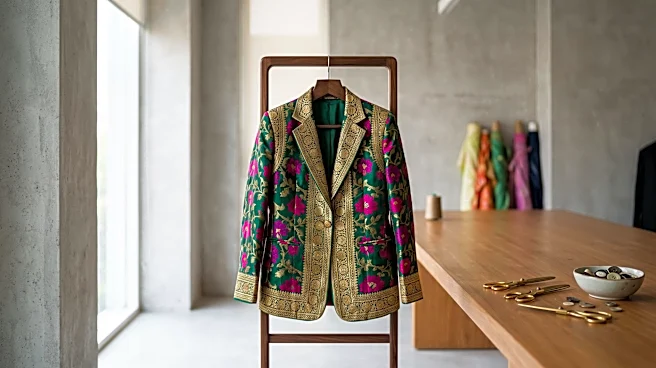
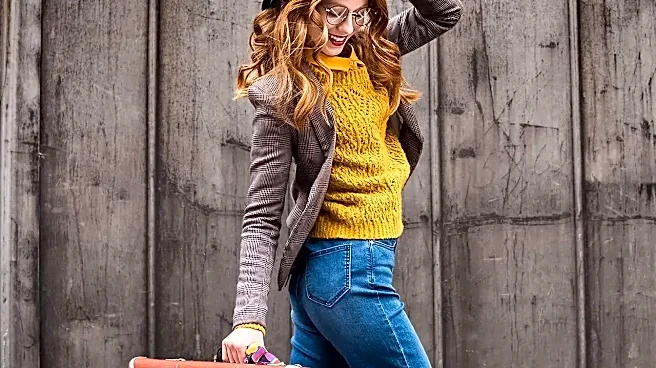
So, how do you turn a collection of individual finds into a cohesive outfit? Start with an anchor. This is your 'showstopper' piece—maybe it's a unique vintage blazer, a designer handbag, or a perfectly wornin pair of leather boots. Build the rest of the outfit around it using more neutral basics. A good wardrobe is built on a foundation of quality basics, many of which are easy to find secondhand. Think classic black trousers, simple crewneck sweaters, and wellmade tshirts. This mixandmatch approach allows your standout pieces to shine. And never underestimate the power of a good tailor. A few dollars spent hemming trousers or taking in the waist of a skirt can make a ten dollar thrift find look like it was custommade for you.