




A Movie Nobody Wanted
By the late 1960s, the gangster movie was dead. Studios saw the genre as a relic, and while Mario Puzo’s novel was a bestseller, Paramount Pictures viewed it as pulpy and low-brow. The studio’s initial plan was to make a cheap, quick exploitation flick
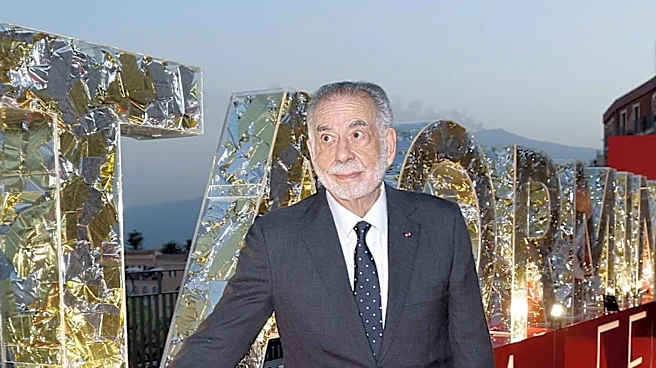
set in the present day to maximize profit. They hired a young, relatively untested director in Francis Ford Coppola, largely because he was Italian-American and they assumed he’d work cheap. From the very beginning, the film that would redefine American cinema was treated as a B-movie project with a ceiling, not a future classic. The expectations weren’t low; for the executives in charge, they were practically nonexistent.
The Battle Over Casting
The conflict between artistic vision and commercial fear exploded during casting. Coppola and Puzo had one man in mind for Vito Corleone: Marlon Brando. Paramount, however, saw Brando as box-office poison, notorious for being difficult on set and starring in a string of recent flops. The studio flatly refused, suggesting Ernest Borgnine or even singer Al Martino. To get his star, Coppola had to orchestrate a secret screen test, which Brando, humbled by debt, agreed to. Brando famously stuffed his cheeks with tissue and slicked back his hair with shoe polish, instantly transforming into the aging Don. The footage was so compelling that it won over the executives, but they imposed humiliating conditions: Brando had to take a dramatically lower salary and post a bond to cover any delays his behavior caused. The fight was just as fierce for Michael Corleone, with the studio hating the unknown Al Pacino and pushing for a star like Robert Redford or Ryan O'Neal.
Chaos on Set
The tension only escalated once filming began. Coppola was constantly at odds with his crew and the studio, who second-guessed his every move. He was nearly fired on multiple occasions, living in perpetual fear that a replacement director was waiting in the wings. The film’s dark, shadowy cinematography by Gordon Willis, which would become iconic, was a major point of contention; the studio complained they couldn't see what was happening. They hated the pacing, the music, and the serious, operatic tone. Morale was abysmal, and many involved believed they were working on an unreleasable disaster. The atmosphere was so toxic that Coppola, paranoid about spies on his own crew, preemptively fired people he suspected were trying to get him replaced.
The Gamble That Changed Hollywood
With a modest budget of around $6-7 million, the bar for success was simply to not lose money. When 'The Godfather' premiered in March 1972, the anxiety quickly turned to shock. The film wasn't just a success; it was a phenomenon. It shattered box office records, eventually becoming the highest-grossing film of all time, pulling in over $250 million worldwide in its initial run. It was a stunning rebuke to the studio’s commercial instincts. The movie they tried to sabotage, starring an actor they didn't want and directed by a man they almost fired, became a cultural and financial juggernaut. It won the Academy Award for Best Picture, and Brando took home Best Actor.