


The Director as Storyteller
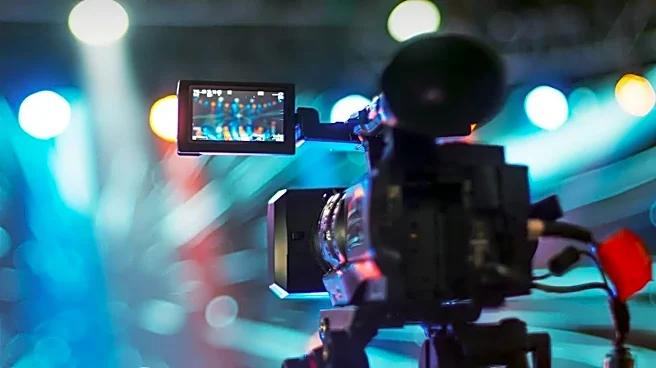
A livestream director's job isn't just to show you the band; it's to tell you a story. They operate from a master control room, a trailer filled with screens showing feeds from every camera on and around the stage. With up to eight or more cameras per stage—from
static wide shots to roaming handhelds and sweeping cranes—the director acts as a live editor, deciding what you see and when you see it. This isn't a passive documentation; it's an active interpretation. The director’s choices can make a show feel intimate and personal or vast and epic. It's a high-pressure role that requires a clear vision, trust in the camera crew, and the ability to think several steps ahead of the music.
The Power of the Close-Up
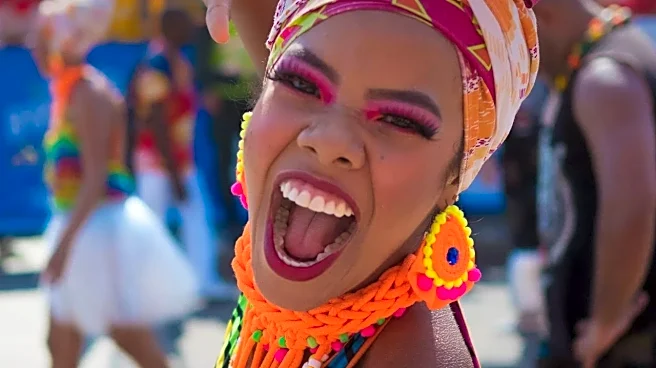
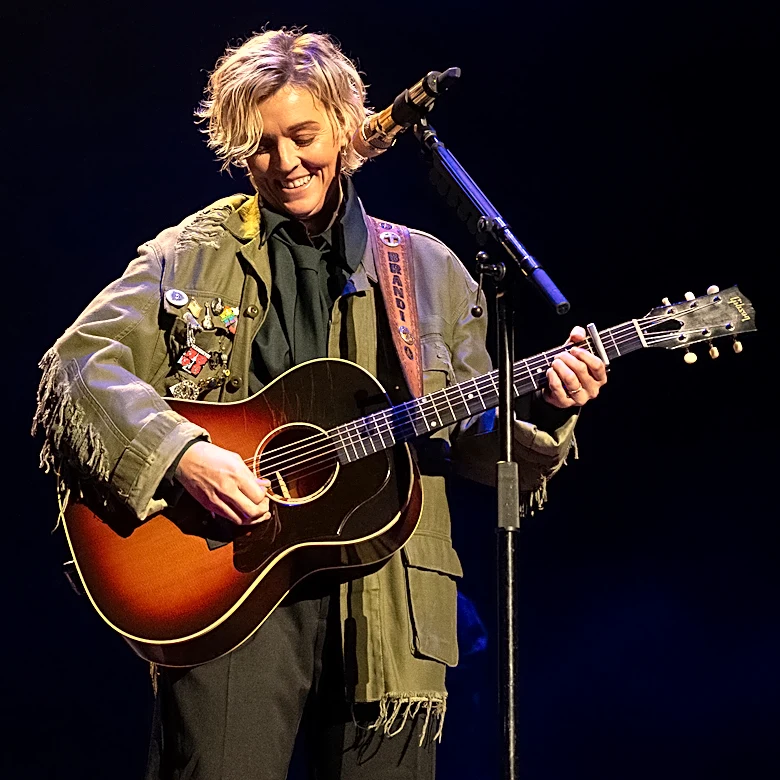
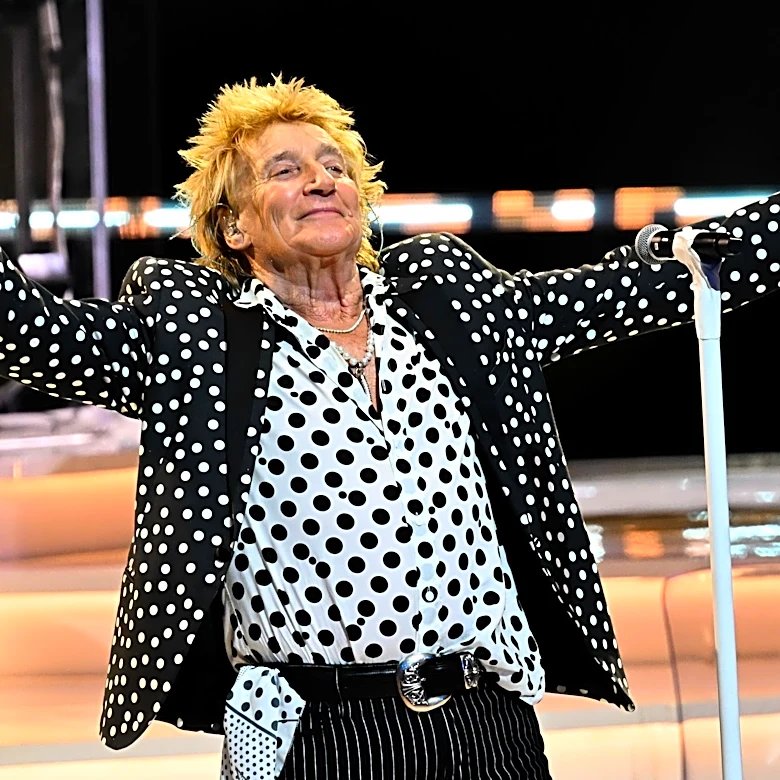
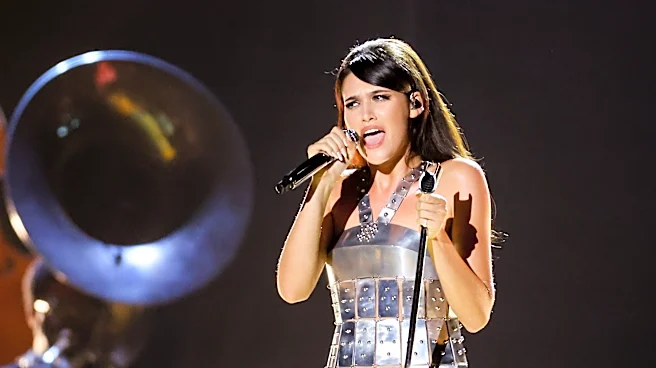
One of the most powerful tools in the director's arsenal is the close-up, offering a perspective no one in the live audience gets. A tight shot on a guitarist’s fingers during a solo or the raw emotion on a singer's face creates a sense of intimacy that can't be replicated from 100 yards away. This is where the livestream can offer something more than the live experience. These shots forge a direct connection between the artist and the viewer, revealing the small details that make a performance unique. Increasingly, artists are aware of this dynamic and play directly to the cameras, knowing that a massive portion of their audience is watching from home.
Capturing the Spectacle with Wide Shots
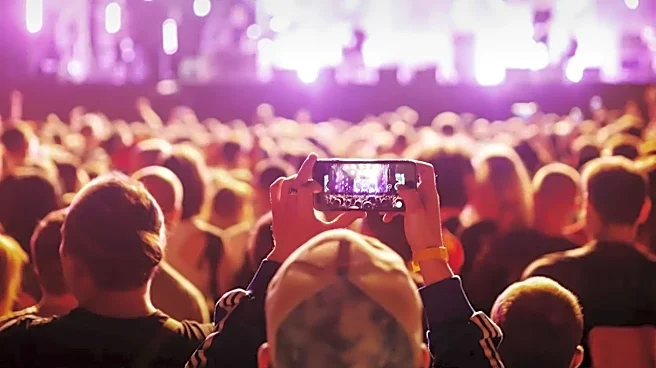
If close-ups provide intimacy, wide shots provide scale and energy. A sweeping crane or drone shot that pulls back to reveal the massive ACL crowd, the intricate light show, and the Austin skyline tells a different part of the story. It reminds the at-home viewer that they're part of a massive, shared experience. These shots are crucial for context, conveying the sheer size and beauty of the festival. Directors use these moments strategically, often at the peak of a song, to capture the collective euphoria of the crowd and give the viewer at home a taste of that communal energy.
The Rhythm of the Edit
Just as important as the shots themselves is the pacing of the cuts between them. A director can build tension by holding a single shot for an extended period, or they can create a frenetic energy by quick-cutting between multiple angles in time with the music. An assistant director often follows the music, counting beats and cueing the director for upcoming transitions or solos. This rhythm is carefully orchestrated to match the emotional arc of the song. For a ballad, the cuts might be slow and deliberate. For an EDM drop or a punk rock anthem, they might become rapid-fire, mirroring the heart-pounding energy of being in the pit.
The Artist's Vision
While the festival's broadcast team directs most sets, major artists often bring their own livestream directors. These are people who are intimately familiar with the artist's show—the specific lighting cues, moments of choreography, and planned ad-libs. This ensures the broadcast perfectly aligns with the artist’s intended vision, catching every crucial moment just right. Some artists even prioritize the livestream audience, knowing it represents a huge viewership. This collaboration between artist and director turns the livestream from a simple broadcast into a highly polished, curated film of the performance, designed to be the best possible representation of their live show.