



The Foundation: Your Anchor Color
The first step is choosing your 'anchor'—the color you'll repeat. This doesn't have to be a bold, statement-making hue, though it certainly can be. Often, the most versatile anchor colors are neutrals like black, navy, grey, camel, or cream. But rich
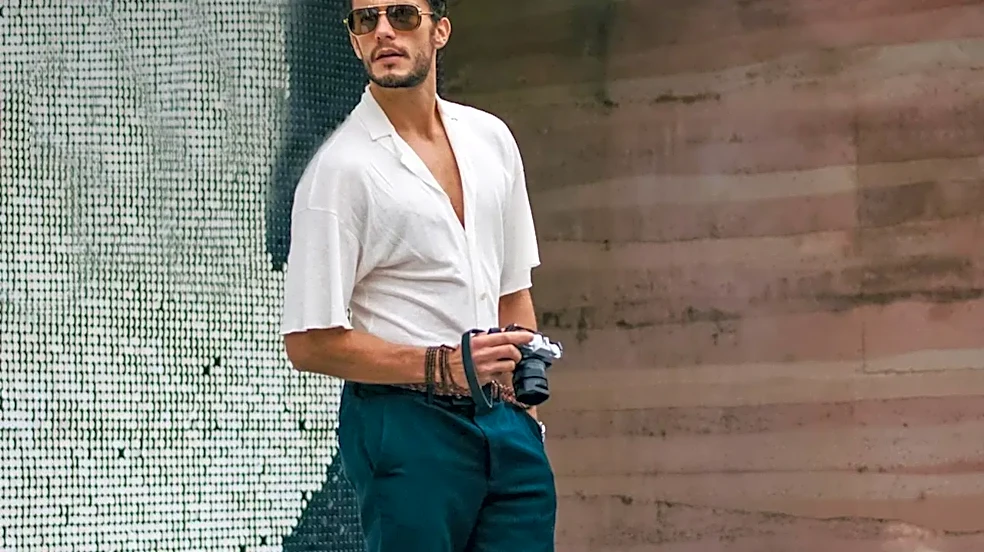
tones like olive green, burgundy, or deep brown can also work beautifully as a sophisticated base. The key is to start with a piece you love, whether it's a pair of trousers, a favorite knit top, or a striking blazer. This item becomes the foundation upon which the rest of the outfit is built. By picking a color you're already comfortable with, you'll find the process feels more natural and authentic to your personal style.
The Power of the 'Third Piece'
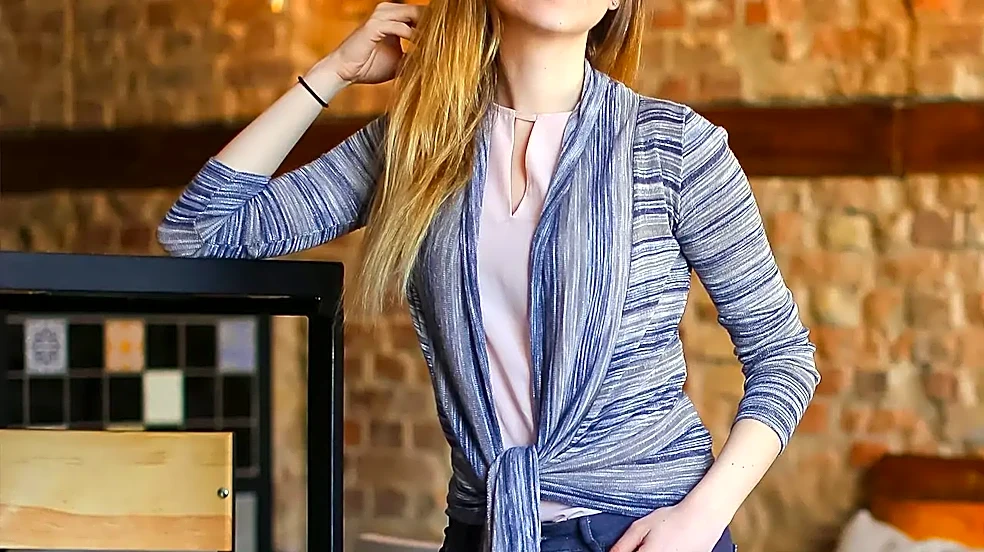
One of the most effective ways to tie an outfit together is through the 'third piece.' This is often a jacket, blazer, cardigan, or even a vest. Imagine you're wearing neutral trousers and a simple top. Adding a blazer that matches the color of your shoes or your handbag instantly creates a sense of intention. This layering piece acts as a visual bridge, connecting the upper and lower halves of your body into a single, fluid look. It's a technique that adds polish and structure, making disparate items feel like they were meant to be worn together.
Accessorize with Intention
If committing to a full-on tonal outfit feels daunting, accessories are your best friend. This is where the 'sandwich' method comes into play: repeating a color on the top and bottom of your outfit. Think a black hat that matches your black boots, or a red handbag that echoes the red in a patterned scarf. This subtle repetition tricks the eye into seeing a connection. A belt is another powerful tool. Cinching a dress or high-waisted pants with a belt that matches your shoes can define your waist and create a focal point, making the entire look feel more deliberate and put-together.
Play with Tones and Textures
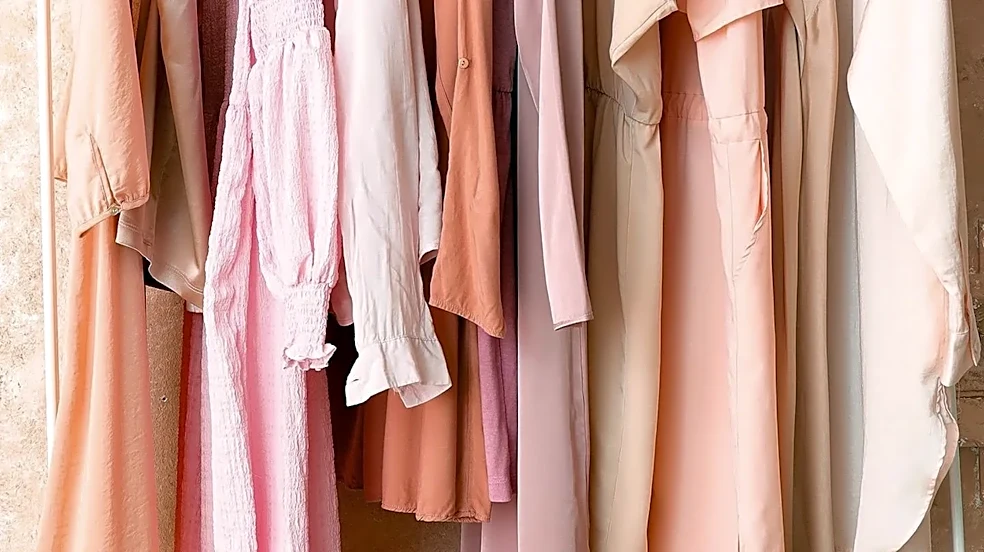
Repeating a color doesn't mean every piece has to be the exact same shade. In fact, an outfit can look more sophisticated when you play with different tones within the same color family. This is known as tonal dressing. You could pair light gray trousers with a charcoal sweater and a dove-gray coat. The variation in shade adds depth and prevents the look from feeling flat. Similarly, mixing textures is crucial. A chunky wool knit, a sleek silk camisole, and a pair of smooth leather pants—all in shades of cream—creates a visually rich and interesting outfit, even though the palette is simple. The contrast between rough and smooth, matte and shiny, keeps the eye engaged.
The Subtle Echo: Using a Print
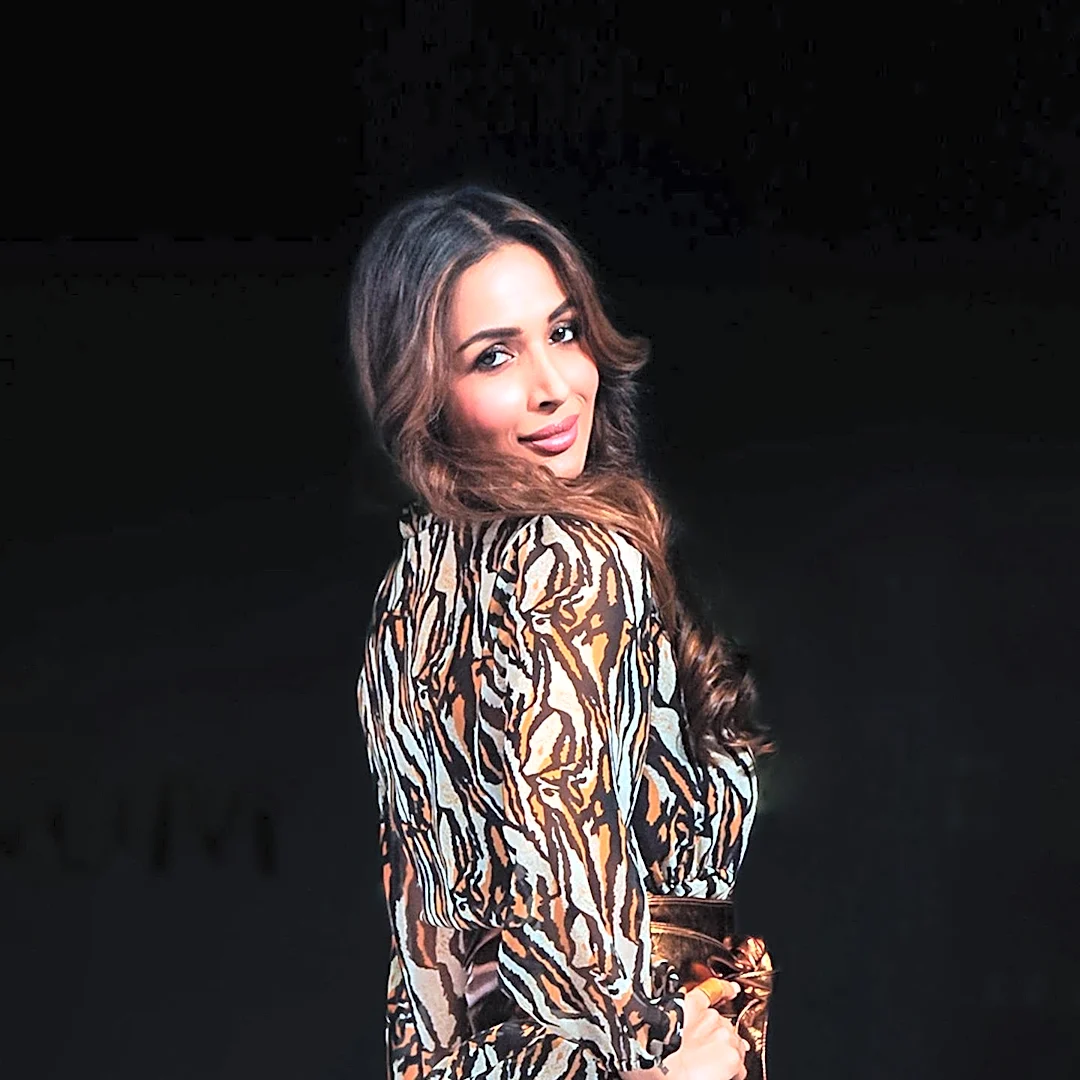
Sometimes the connection can be more subtle. If you're wearing a floral skirt that has small flecks of blue in it, you can pull that blue out and repeat it in your top, your shoes, or a piece of jewelry. This is a more advanced technique that shows a real command of your wardrobe. The repeated color doesn't have to be the dominant one in the print; it just needs to be present. This 'echo' creates a quiet harmony that makes the whole outfit sing, proving that even your most unique patterned pieces can be seamlessly integrated into a cohesive look.