



Creativity Over Cash
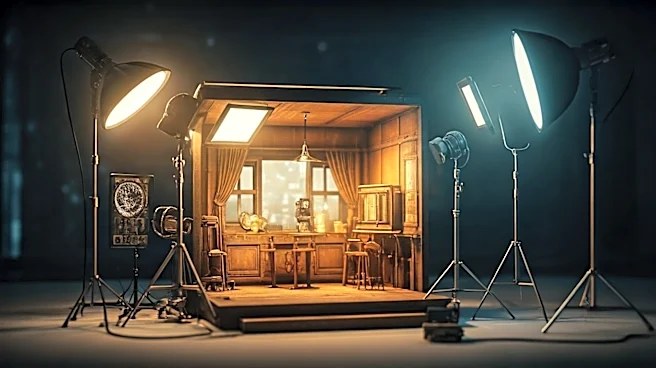
The first rule of microbudget filmmaking is that constraints breed creativity. When you don’t have a truck full of million-dollar lights and a crew of 20 to operate them, you can’t solve problems by throwing money at them. Instead, you have to solve them with
ingenuity. This is the core of what impresses festival audiences. They aren't just seeing a movie; they're feeling a director's resourcefulness and passion. A scene lit with a single, strategically placed work light doesn’t feel cheap—it feels intentional, raw, and emotionally honest. Audiences, often saturated with the glossy perfection of studio films, respond to this authenticity. The 'flaws'—lens flares from a cheap vintage lens, the stark shadows from a single bulb—become part of the film's unique aesthetic personality, signaling a story told with heart, not just a checkbook.
The Power of Practical Lighting
One of the most effective tools in the microbudget arsenal is “practical” lighting. These are light sources that exist naturally within the scene: a desk lamp, a television screen, the neon sign outside a window, or the headlights of a car. Instead of building a complex, artificial lighting setup, filmmakers use these real-world elements to illuminate their actors. This does more than just save money. It instantly grounds the film in a believable reality. When a character is lit only by the cold, flickering blue light of their laptop in a dark room, we don't just see them; we feel their isolation and late-night anxiety. When a tense conversation happens in a kitchen lit only by the harsh fluorescent glow from above the stove, the environment itself becomes a part of the story. This technique creates an immersive, atmospheric world that feels lived-in, not constructed on a soundstage.
Embracing the Darkness
Big-budget productions often feel compelled to light every corner of the frame. The indie filmmaker knows that shadow is as powerful a tool as light. Using a technique called “negative fill”—essentially, using black flags or cloth to block light and create deeper shadows—they sculpt the image with darkness. This is not just a stylistic choice; it's a narrative one. What you don't see can be more terrifying, more mysterious, and more poignant than what you do. By letting parts of the frame fall into black, a filmmaker directs the audience’s eye exactly where they want it, builds suspense, and creates a rich, moody texture. This is the logic of film noir and classic horror, repurposed for modern drama. Audiences at Tribeca, who are looking for sophisticated storytelling, recognize this mastery of tone. The darkness isn’t a budget limitation; it’s a canvas.
Harnessing Natural Light
The most expensive light in Hollywood can't compete with the sun. Microbudget filmmakers become masters of natural light, scheduling their entire shoots around the sun's position. They know the difference between the harsh, unflattering light of midday and the soft, golden glow of “magic hour”—the period shortly after sunrise or before sunset. A conversation filmed in the warm, forgiving light of a late afternoon feels entirely different from the same scene shot under a high sun. They use windows as massive, free softboxes, creating a look that is both beautiful and utterly natural. This reliance on the real world’s light clock gives indie films a rhythm and texture that feels organic. It’s a visual language that communicates authenticity, and savvy audiences recognize and appreciate the skill it takes to capture those fleeting moments perfectly.