



A Statement Against the Status Quo
Released in 1986, Pretty in Pink arrived at the height of 80s consumerism, a decade defined by preppy conformity and brand-name status. The film's narrative puts this social tension front and center, pitting Andie (Molly Ringwald), a creative girl from
the wrong side of the tracks, against the wealthy, label-conscious “richies” like Steff (James Spader) and Benny (Kate Vernon). Andie's wardrobe, a vibrant collage of vintage finds, lace, florals, and layered accessories, wasn't just a style choice; it was a visual rebellion. In a world that valued fitting in, her clothing declared her independence from the social hierarchy of high school, showcasing a different kind of currency: creativity and originality.
The Rise of DIY and Individuality
Andie Walsh didn’t just wear clothes; she made them. Her sewing machine is practically a supporting character, and her ability to transform secondhand items into something uniquely her own was the film’s central fashion thesis. This DIY spirit resonated deeply in the mid-80s, a time when post-punk and New Wave music scenes were already championing a more eclectic, anti-mainstream look. Costume designer Marilyn Vance masterfully translated this ethos to the screen. Andie's style—a mix of masculine and feminine pieces, vintage patterns, and quirky accessories like her floral-print bowler hat—offered a blueprint for self-expression that didn't require a fat wallet. It told viewers, particularly young women, that true style wasn't bought, it was invented.
The Architect: Marilyn Vance's Vision
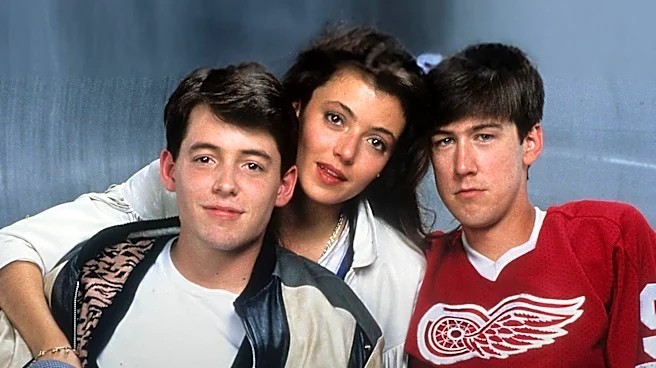
The timeless looks of Pretty in Pink owe everything to costume designer Marilyn Vance, a frequent collaborator with writer John Hughes on films like The Breakfast Club and Ferris Bueller's Day Off. Vance saw Andie as a character with immense dignity and style, despite her financial situation. Much of this was channeled through Molly Ringwald herself, whose own quirky, vintage-heavy personal style heavily influenced her character's look. The prop department even used a collage from Ringwald's actual bedroom for Andie's room. Vance’s genius was in creating costumes that felt authentic to the characters, from Duckie's Teddy Boy-inspired layered outfits to Iona's ever-changing, decade-hopping ensembles. Even the famously divisive prom dress was a deliberate choice by Vance, designed to reflect Andie's resourcefulness and stand apart from the era's trendy, big-shouldered gowns—a choice Ringwald herself reportedly disliked at the time.
The John Hughes Effect
Ultimately, the fashion in Pretty in Pink took off because it was part of a larger cultural phenomenon: the John Hughes cinematic universe. Hughes had an unparalleled ability to tap into the teenage psyche, treating adolescent angst and identity struggles with a seriousness that was rare in Hollywood. His films made heroes out of misfits, nerds, and kids from working-class backgrounds. The clothes were an extension of this philosophy. Andie’s style was aspirational not because it was expensive, but because it represented an authentic, attainable coolness rooted in character. It wasn't just about looking good; it was about feeling seen and understood in a world that often made teenagers feel invisible.