





The Battle Against the Sun
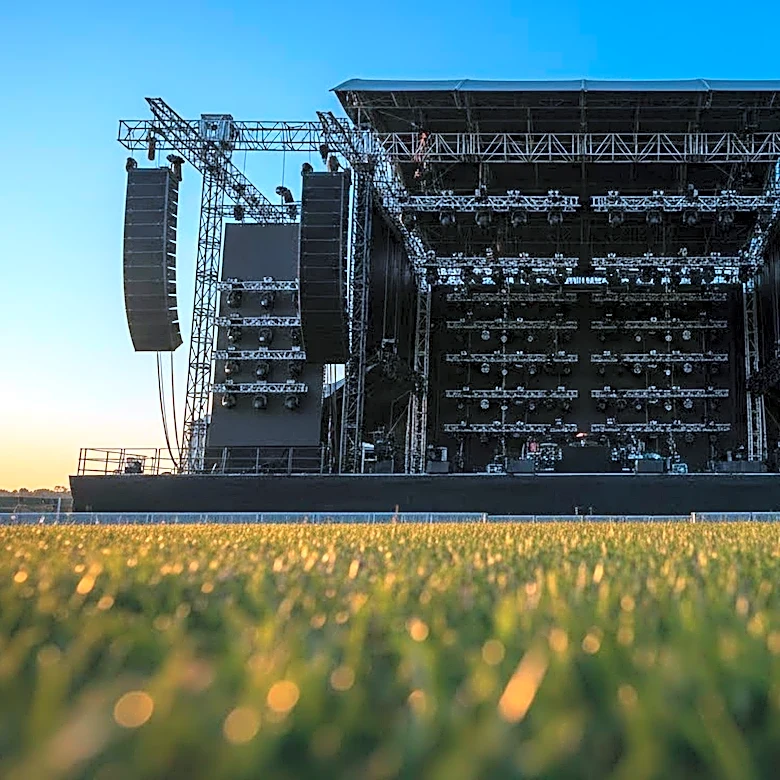
During the day, a concert production team is in a constant fight with the single biggest and brightest light source in the sky: the sun. This is why daytime sets, even for major artists, often feel more grounded and less visually dramatic. The primary
focus is on powerful, clear audio and the physical performance itself. Video screens work hard just to be visible, often looking washed out. Lighting effects are mostly ineffective, as even the most powerful stage lights can't compete with broad daylight. So, production crews use this time to ensure the structural and sonic foundations are perfect. The massive steel trusses, speaker arrays, and stage decking are all in plain sight, a skeleton waiting for darkness to give it a soul. For the artists and crew, the daytime show is about building a connection through raw musical energy, knowing the visual knockout punch is waiting in the wings.
When Darkness Becomes the Canvas
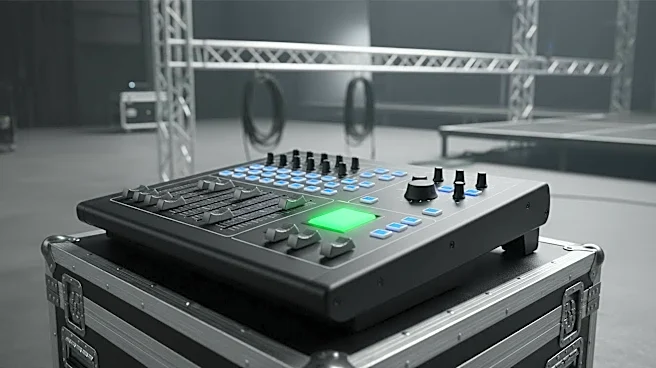
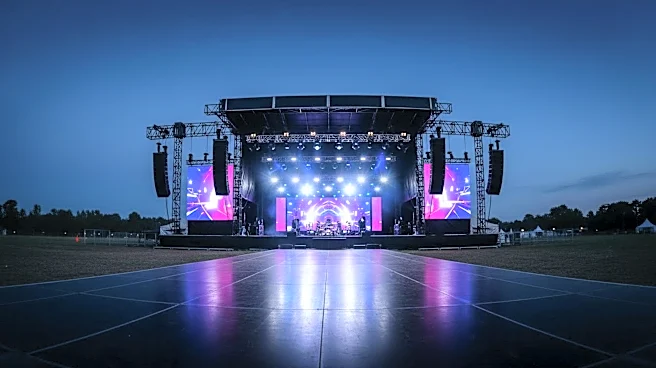
The moment the sun disappears below the horizon, the entire dynamic of the show flips. For a lighting designer, darkness isn't an obstacle; it's the canvas they've been waiting for. Suddenly, light has shape, color, and texture. This is when a complex system of different lights comes into play. Wash lights bathe the stage in broad colors to set the mood, from an intimate blue to an intense red. Spotlights, or profile lights, create sharp, focused beams to isolate a performer, making them the undeniable center of attention. Then come the beam lights—sharp, razor-thin shafts that slice through the air, creating dramatic, architectural shapes that look incredible in a large venue. The lighting director, working from a console that looks like it could launch a spaceship, follows a meticulous plan, with hundreds or thousands of pre-programmed cues designed to match the emotional arc of every single song.
The Rise of the Video Wall
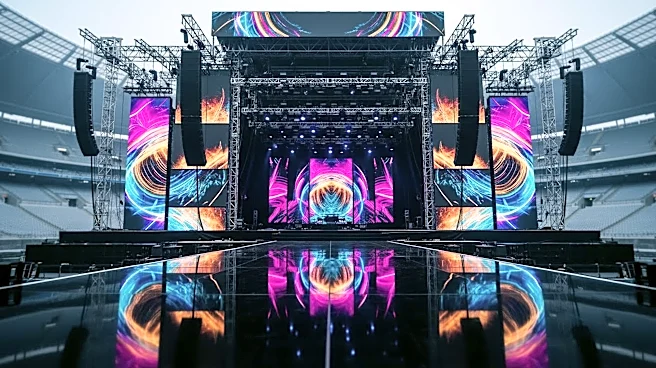
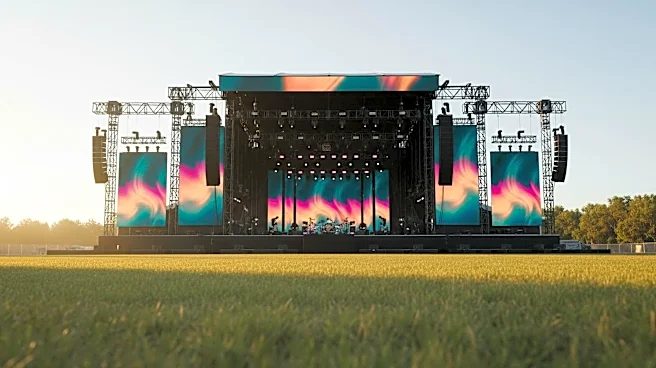
Once daylight fades, LED video walls transition from being supplemental backdrops to becoming dominant storytellers. Screens that struggled against the sun now radiate with incredible brightness and clarity, creating immersive visual worlds. These aren't just giant TVs; they are integrated instruments. A production can seamlessly switch between a larger-than-life close-up of the vocalist, cinematic pre-produced visuals that tell a song's story, and abstract graphics that react in real-time to the beat of the music. This visual symphony makes every person in a massive arena feel like they have a front-row seat, ensuring they can see every expression and detail of the performance. The interplay between the live performer and the world being built behind them on screen is a core part of modern concert spectacle.
Crafting Atmosphere with Haze and Fire
The secret ingredient that makes lighting truly spectacular is something you can barely see: haze. Hazers pump a fine, unobtrusive mist into the air, which is essential for making light beams visible. Without haze, a spotlight just illuminates the floor; with it, you see the entire shaft of light cutting through the air, adding depth and drama. This is different from fog, which is a thicker, more visible effect used for reveals or to create a low-hanging cloud on the stage. Once the environment is properly hazed, other atmospheric effects can join the party. Pyrotechnics—bursts of flame, sparks, and fireworks—provide punctuation marks of pure energy that are obviously most effective at night. The combination of light, haze, and pyrotechnics creates a layered, three-dimensional experience that extends far beyond the physical stage.
The Unseen Digital Conductor
Bringing all these elements together—lighting, video, and effects—is a feat of incredible precision. Nothing is left to chance. The entire show is run by a production manager and a team of technicians using sophisticated show control systems. Every lighting change, video transition, and pyro blast is typically programmed and synced to a timecode that runs alongside the music. This ensures that a specific lighting cue hits on the exact beat it's supposed to, every single night of the tour. While the artist on stage provides the human soul of the performance, this unseen technical team acts as a digital conductor, ensuring that the massive technological organism surrounding the artist breathes, moves, and explodes in perfect harmony with the show. It's a complex, high-stakes digital ballet that makes the transformation complete.