







More Than Just a Kick
We all know the surface-level pressures. The physical exhaustion after 120 minutes of play. The weight of a nation’s hopes resting on your shoulders. The imposing figure of the goalkeeper, who seems to take up the entire frame of the goal. Statistically,
a penalty kick should be easy. From 12 yards out, with a stationary ball, an elite striker is expected to score roughly 85% of the time against a keeper who has to guess. Yet, in the crucible of a World Cup or Champions League final, those numbers crumble. World-class players, million-dollar athletes who can hit a moving ball into a coffee cup from 30 yards, suddenly look like they’ve never kicked a ball before. Why? Because the shootout isn’t just a physical contest. It’s a psychological war, and the goalkeeper has a secret weapon.
The Goalkeeper’s Dark Arts
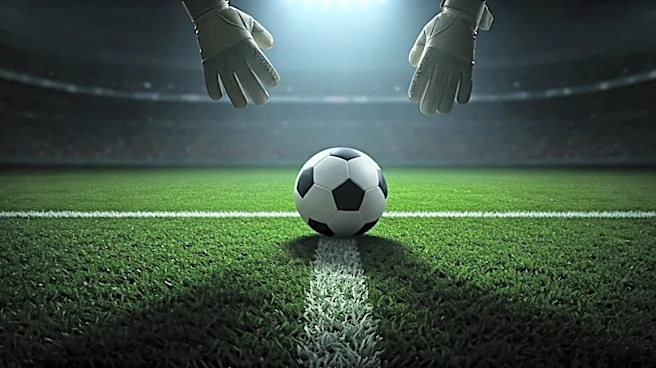
The “trick” isn’t one specific move; it’s a calculated campaign of psychological disruption. Research from sports psychologist Geir Jordet, the world's leading expert on penalty shootouts, reveals a fascinating pattern. Goalkeepers who actively engage in distracting behavior—delaying the kick, pointing, making eye contact, adjusting their gloves with exaggerated slowness—are significantly more successful. These aren't random acts of gamesmanship. They are deliberate tactics designed to do one thing: make the shooter wait. By holding the shooter at the penalty spot for just a few extra seconds, the keeper forces them to stand alone with their thoughts. The longer they wait, the more time they have to think. And in this situation, thinking is the enemy.
When Your Brain Betrays You
To understand why waiting is so devastating, you have to understand how elite athletes operate. Their skills are built on thousands of hours of practice, hardwiring actions into what scientists call “implicit memory” or muscle memory. A professional’s penalty kick is an automatic, unconscious process. They don’t think about planting their foot, swinging their leg, or making contact; they just *do* it. Pressure, however, can hijack this system. It triggers the prefrontal cortex, the part of the brain responsible for conscious thought and analysis. This is called “explicit processing.” The athlete starts to overthink: “Should I go for power or placement? Did the keeper notice my last kick? Don’t miss. Whatever you do, don’t miss.” This internal monologue is a catastrophic failure. The fluid, automatic skill collapses under the weight of conscious control. The player is no longer a finely tuned athlete; they’re a novice again, thinking through every step of a process that should be second nature.
Hijacking the Autopilot
Now, connect the dots. The goalkeeper’s time-wasting isn’t just annoying; it’s a direct attack on the shooter’s cognitive state. The delay is the trigger that shoves the shooter from their zone of automatic, implicit skill into the paralyzing world of explicit over-analysis. Every extra second the goalie stalls is another second for the shooter’s prefrontal cortex to spin out of control. They start questioning their routine, seeing phantom movements from the keeper, and imagining the devastating consequences of failure. The goal, once a giant target, seems to shrink. The 12-yard distance feels impossible. The goalkeeper wins the battle before the ball is even kicked, not by guessing right, but by successfully turning the shooter’s own brain against them.