








More Than Just a Trade Show
On paper, Pitti Uomo is a straightforward industry event. Since 1972, it has served as a critical marketplace where menswear brands showcase upcoming collections to retail buyers and the press. Held inside the Fortezza da Basso, a 16th-century fortress,
its halls are filled with meticulously crafted booths displaying everything from Neapolitan tailoring to avant-garde Japanese outerwear. For buyers from Bergdorf Goodman or a niche menswear shop in Minneapolis, it’s an essential trip to discover new labels, place orders, and feel the fabrics that simply can’t be appreciated over a Zoom call. But what happens *outside* the fortress has become just as important as what happens within. The plaza in front of the main pavilion transforms into a spectacle of personal style, a living gallery of fashion that draws photographers from around the world.
The Power of the 'Pitti Peacock'
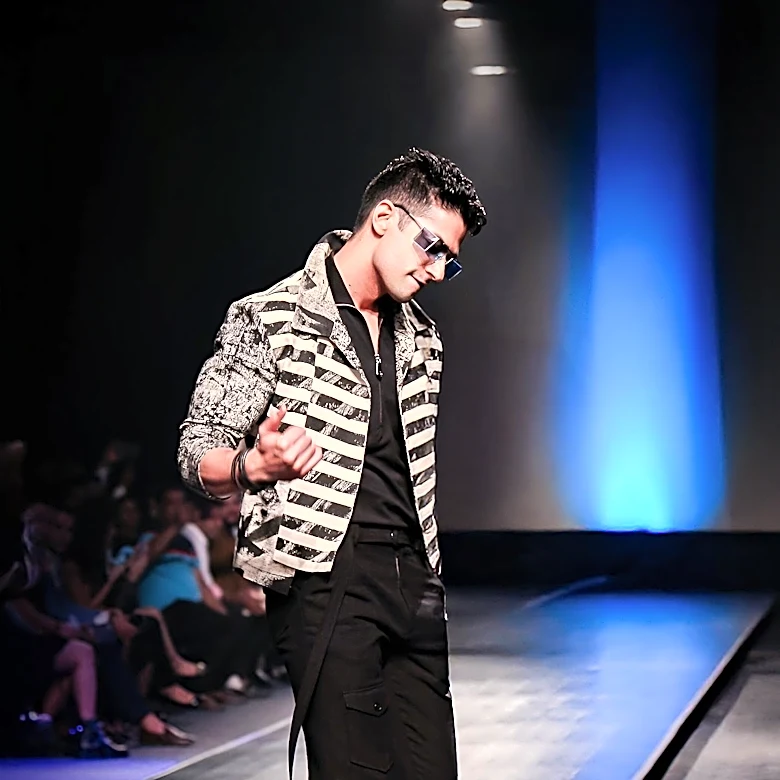
In the late 2000s, with the rise of street style blogs like The Sartorialist, the focus of Pitti began to shift. Photographers realized the real show was the attendees themselves. This gave rise to the “Pitti Peacock,” a term for the flamboyantly dressed men who gather, pose, and preen for the cameras. Initially dismissed by some purists as a vain sideshow, the phenomenon became Pitti’s greatest marketing tool. It turned the event from a closed-door trade fair into a global content engine. The images of these men—mixing classic tailoring with bold colors, patterns, and accessories—spread across blogs, Instagram, and Pinterest, shaping how men around the world thought about getting dressed. The peacocks demonstrated that classic menswear wasn't just for stuffy boardrooms; it could be expressive, personal, and fun. They made tailoring aspirational again for a new generation.
Sprezzatura in the Social Media Age
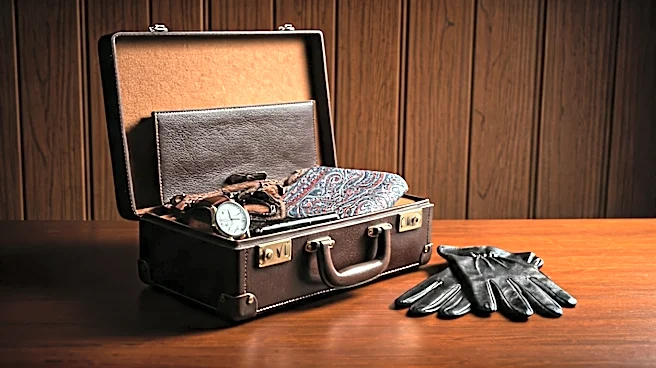
At the heart of the Pitti aesthetic is an Italian concept: *sprezzatura*. Coined in the 16th century, it means a kind of studied carelessness—the art of looking elegant without appearing to have tried at all. It’s the unbuttoned cuff on a surgeon’s sleeve, the perfectly imperfect fold of a pocket square, or the confident clash of a striped tie with a checked jacket. In an era dominated by the hyper-curated, algorithm-driven perfection of social media, sprezzatura feels like a quiet rebellion. It celebrates human touch, personality, and the beauty of slight imperfection. This philosophy is what separates Pitti style from sterile catalog looks. It’s a reminder that true style isn’t about following rules, but about understanding them so well that you know how to break them with confidence and grace. This appreciation for the artfully undone is more relevant than ever.
The Irreplaceable IRL Network
Ultimately, Pitti Uomo endures because it offers something the digital world cannot replicate: real, tangible community. It is the original social network, built on handshakes, shared espressos, and face-to-face conversations. For four days, Florence becomes the global capital of menswear, a place where a young designer can bump into the creative director of a legacy brand, or a journalist can get an unfiltered take from a seasoned buyer. These spontaneous interactions and the strengthening of professional relationships are the lifeblood of the industry. While brands can launch on Instagram and trends can be born on TikTok, the business of fashion still relies on trust, rapport, and the shared passion that comes from being in the same place at the same time. Pitti isn't an escape from the modern world; it's the physical anchor that makes the digital ecosystem of menswear turn.