

The World's Largest Stage
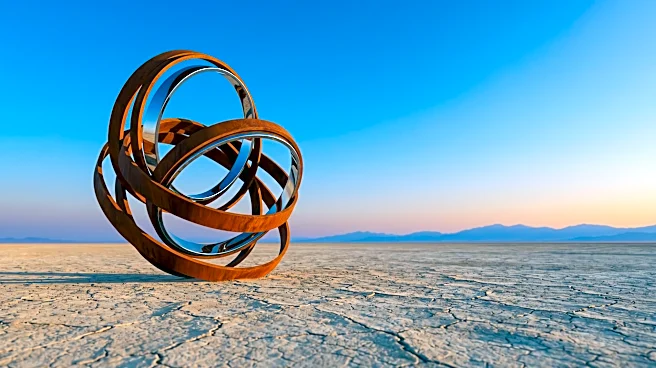
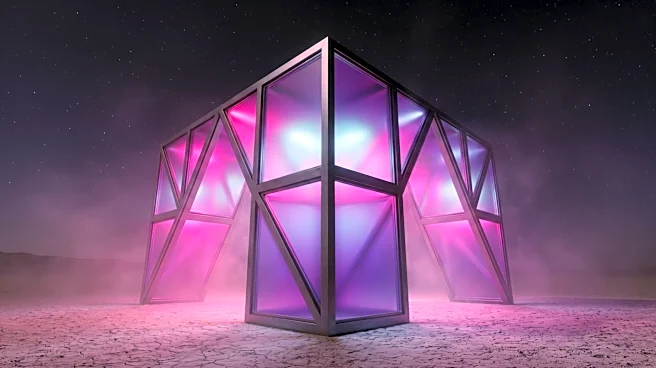
Black Rock City is intentionally built on a barren, prehistoric lakebed. This stark, flat expanse provides a neutral background, a blank canvas where the people themselves become the main event. There is no main stage or headlining act because the entire
city is the stage. This environmental choice is fundamental. With no billboards, storefronts, or traditional landmarks, the visual landscape is defined entirely by what the participants, or "Burners," create and become. The principle of "No Spectators" encourages everyone to be an active part of the experience. This transforms tens of thousands of attendees from a passive audience into a decentralized cast of players, each contributing to a collective, evolving spectacle simply by being present. The city’s circular layout, with its vast open playa at the center, ensures that art and action are visible from all angles, creating a 360-degree theater where the line between audience and performer dissolves.
Costumes as Living Art
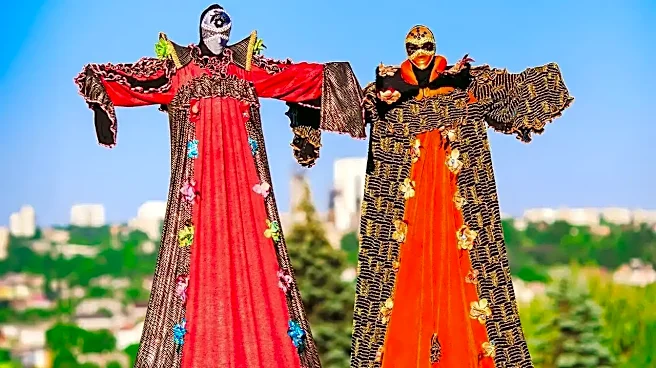
At Burning Man, clothing is less about fashion and more about identity and invitation. The principle of "Radical Self-expression" encourages participants to wear whatever they feel expresses their inner self, resulting in a breathtaking array of costumes that range from futuristic and psychedelic to tribal and absurd. An outfit is a conversation starter, a piece of mobile art, and a character statement. It’s not uncommon to see someone dressed as a celestial being cycling past a group in steampunk attire or a person adorned in intricate, handcrafted armor. These costumes are not just for show; they are functional tools for navigating the harsh desert—incorporating goggles, dust masks, and layers for the dramatic temperature swings. By externalizing their imagination, Burners contribute to the city's visual richness, turning a simple bike ride to a distant art piece into a surreal, performative journey.
Kinetic Energy and Mutant Vehicles
Movement is a constant, visible force in Black Rock City. The primary modes of transport are bicycles and feet, filling the streets with a steady flow of human energy. But the most dramatic form of movement comes from the "mutant vehicles," or art cars. These are fantastically modified vehicles, transformed into everything from fire-breathing dragons to pirate ships that seem to sail on the dust. Cars like a giant, UV-reactive bull or a sinking Titanic serve as mobile stages, sound systems, and gathering places. They roam the playa, especially at night, creating moving tableaus of light and sound that draw crowds and spark spontaneous parties. These kinetic sculptures turn the vast desert into an ever-changing art gallery. The journey across the playa is never just a commute; it’s an opportunity to encounter a roving performance or become part of one.
The Unwritten Script of Interaction
If the playa is the stage and costumes are the wardrobe, then interaction is the script. Guided by principles like "Gifting" and "Decommodification," social exchanges are freed from commercial transactions. Instead of buying a drink, you might be gifted one at a pop-up bar. Instead of paying for a show, you might stumble upon a theme camp offering impromptu lessons, intimate musical performances, or immersive theatrical experiences. These interactions are genuine and immediate, born from a culture of participation and communal effort. A conversation can lead to joining a collaborative art project; a shared moment at sunrise can feel like a scene from a movie. This social framework ensures that the performance is not just visual but deeply relational. It's a city built on unscripted encounters, where the simple act of engaging with a stranger becomes a meaningful part of the collective story.