





The Anatomy of a Suspect Scene
When a director wants you to doubt a character, they create an atmosphere of visual tension and ambiguity. The goal is to make the audience lean in, searching for clues and questioning everything they see and hear. Power dynamics are often at the core
of these scenes, with the interrogator or accuser holding a visual advantage over the suspect, who can appear trapped or evasive. This is the visual language of mystery and mistrust, designed to put you on edge.
Lighting for Suspicion
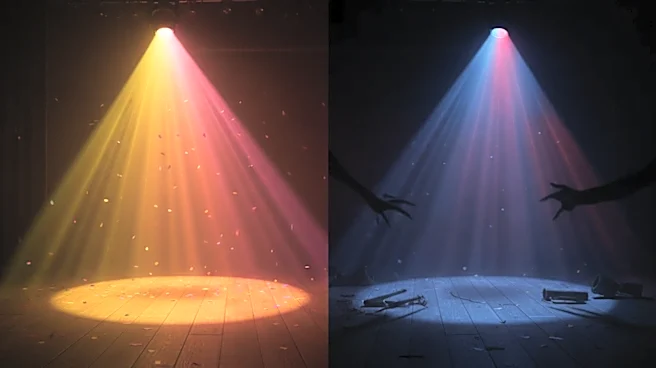
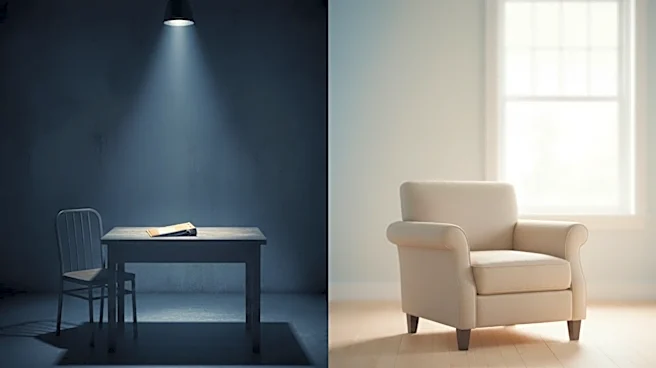
In a suspect scene, lighting is often low-key and high-contrast, a style known as chiaroscuro. Think of a classic film noir interrogation room with a single, harsh light overhead, plunging the rest of the room into deep shadow. This isn't just for mood; it's a storytelling tool. Shadows can obscure part of the suspect's face, visually suggesting they're hiding something. Unflattering top or side lighting can create a sense of unease. The darkness feels menacing, and the small pockets of light offer no comfort, only scrutiny. It’s a visual representation of the character being cornered, with nowhere to hide.
Camera Work that Creates Doubt
Camera placement is crucial for establishing power. To make a suspect seem weak or cornered, a filmmaker might use a high-angle shot, looking down on them. Conversely, the interrogator is often shot from a low angle to make them appear dominant and imposing. Unsettling Dutch angles, where the camera is tilted, can create a sense of disorientation and suggest that something is off-balance. The framing might feel tight and claustrophobic, or use over-the-shoulder shots that place the audience in the perspective of the accuser. In David Fincher's Zodiac, the camera often remains at a neutral, eye-level angle during an interrogation to keep the power balanced and the audience guessing.
Editing for Tension
The pacing of a suspect scene is often deliberately agitated. Quick cuts between the interrogator's probing questions and the suspect's nervous reactions can create a sense of urgency and disorientation. This rapid-fire editing style mimics a racing heartbeat, forcing the audience to feel the pressure. Alternatively, a director might hold a shot for an uncomfortably long time, building suspense as the audience waits for the character to crack. This prolonged tension makes any small movement or facial twitch seem significant, amplifying our suspicion.
The Anatomy of a Confession Scene
A confession scene is all about emotional release and vulnerability. The visual language shifts from tension and ambiguity to clarity and intimacy. The goal is no longer to make the audience question, but to make them understand and feel the weight of the character's admission. The power dynamic often equalizes or even reverses, with the confessor holding the emotional power. The focus moves from external pressure to internal turmoil, and the filmmaking techniques reflect this shift inward.
Lighting for Vulnerability
When a character confesses, the lighting often becomes softer and more even. Gone are the harsh, dramatic shadows. Soft lighting minimizes sharp lines, creating a feeling of intimacy and emotional exposure. Sometimes, a character will literally step out of shadow and into the light as they begin to tell the truth, a classic visual metaphor for revelation. The light on their face becomes more balanced, fully illuminating their expression. This allows the audience to see their remorse, pain, or relief without the visual barrier of concealment.
Camera Work that Invites Empathy
In a confession, the camera often moves in closer. Extreme close-ups on the character's face, particularly their eyes, create a powerful connection with the audience. We are invited into their personal space to witness their emotional state firsthand. High angles might be used here not to show weakness, but to evoke sympathy and vulnerability. The over-the-shoulder shot might now place us with the confessor, seeing the reaction of the person they are speaking to through their eyes. The camera becomes a conduit for empathy, focusing on the human cost of the character's secret.