


The Psychology of a Con-Exclusive
Walking into the Javits Center during New York Comic Con is a sensory overload by design. The show floor buzzes with hundreds of exhibitors, artists, and brand activations, all competing for your attention and your money. At the heart of this experience
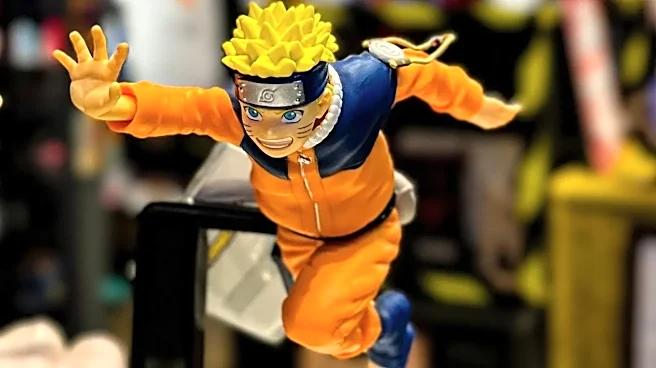
is the convention exclusive—a limited-edition collectible you can, theoretically, only get right here, right now. The psychology is powerful. Scarcity makes items feel more desirable, tapping into a collector's instinct for the thrill of the hunt and the pride of owning something rare. When you see a long line at a booth like Funko's or a sign that says "Limited Quantities," your brain's fear of missing out (FOMO) kicks into high gear. This environment is perfectly engineered to encourage impulse decisions. You’re surrounded by thousands of passionate fans, all chasing their own "grails." The energy is infectious, and the pressure to buy before an item sells out can feel immense, often leading to purchases driven more by hype than by genuine desire.
The 'Will You Ship It?' Rule
So, what’s the secret to resisting the siren song of a regrettable exclusive? It’s a simple but surprisingly effective mental filter: The "Will You Ship It?" Rule. Before you hand over your credit card for that expensive statue, variant cover, or deluxe action figure, stop and ask yourself one question: “Do I want this badly enough to pay extra to have it shipped home?” This isn't just a hypothetical. Many major conventions have on-site shipping services, and some larger vendors offer shipping directly from their booths. By forcing yourself to consider this option, you introduce a moment of practical friction. The question is no longer just, "Do I want this?" but rather, "Is this item worth the additional cost and effort of shipping?" This small pause is often all you need to separate a true must-have from a fleeting impulse. It forces you to evaluate the item on its own merits, away from the immediate pressure of the show floor.
Why This Mental Trick Works
The "Will You Ship It?" rule works because it hacks the very psychology that conventions use to encourage spending. First, it immediately adds a tangible cost—shipping fees—to the purchase, making you reconsider the total investment. Is that $100 figure still a good deal when it’s actually $120 after shipping and handling? Second, it breaks the spell of immediacy. The desire to walk away with something now is a huge part of the con experience. By opting for shipping, you delay that gratification, which gives your logical brain time to catch up with your emotional one. If you still want the item knowing it will arrive in a week or two, your desire is likely genuine. Finally, it solves a major logistical problem: carrying your haul. The practical benefit of not having to lug bulky, fragile, or heavy items around the Javits Center all day is a powerful incentive. If the convenience of shipping doesn't appeal to you more than the burden of carrying it, you might not be as attached to the item as you think.
How to Put the Rule Into Practice
Applying this rule at NYCC is straightforward. Before the show, look at the official maps to see if services like FedEx or UPS have booths on-site; they are common fixtures at large trade shows. When you're considering a big purchase, ask the exhibitor if they offer shipping directly. Many do, especially for larger pieces. If they don't, you'll have to decide if you’re willing to carry it to the on-site shipping center yourself. If the answer to any of this is “no,” it’s a strong signal to walk away. For smaller items or vendors without shipping, a modified version can work: the "One Lap Rule." Vow to walk the entire show floor once before making any purchases. This creates a cooling-off period and gives you a full picture of what’s available, preventing you from blowing your budget in the first aisle. Many exclusives, particularly from major brands like Funko, often become available online or through retail partners after the convention, sometimes even at a discount.