
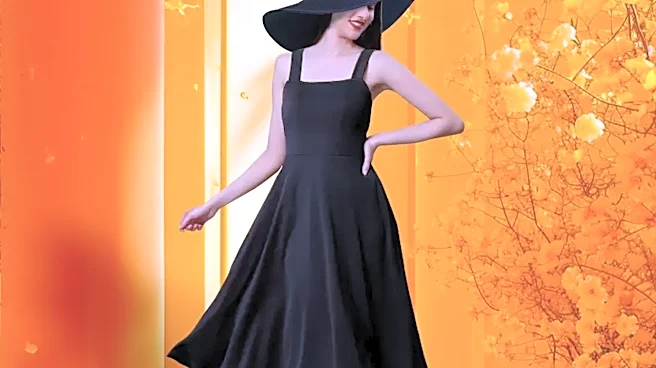
The Unwritten Rules of Italian Style
For decades, the Milanese look has been governed by an unwritten code of elegant restraint. Brands like Max Mara and Brunello Cucinelli built empires on it. The philosophy is rooted in "sprezzatura"—a studied carelessness that makes perfection look effortless.
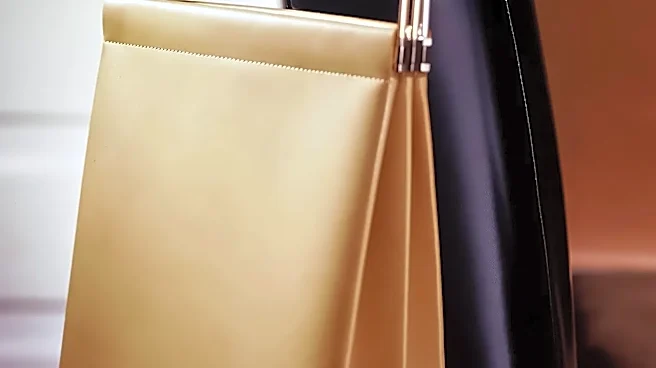
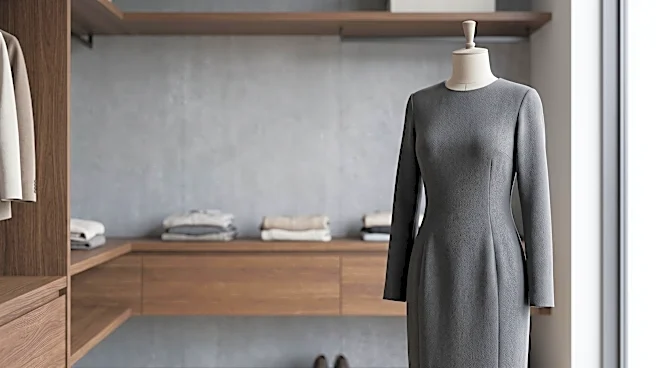
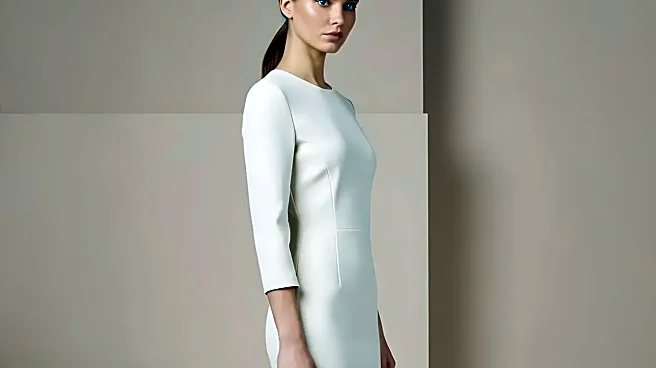
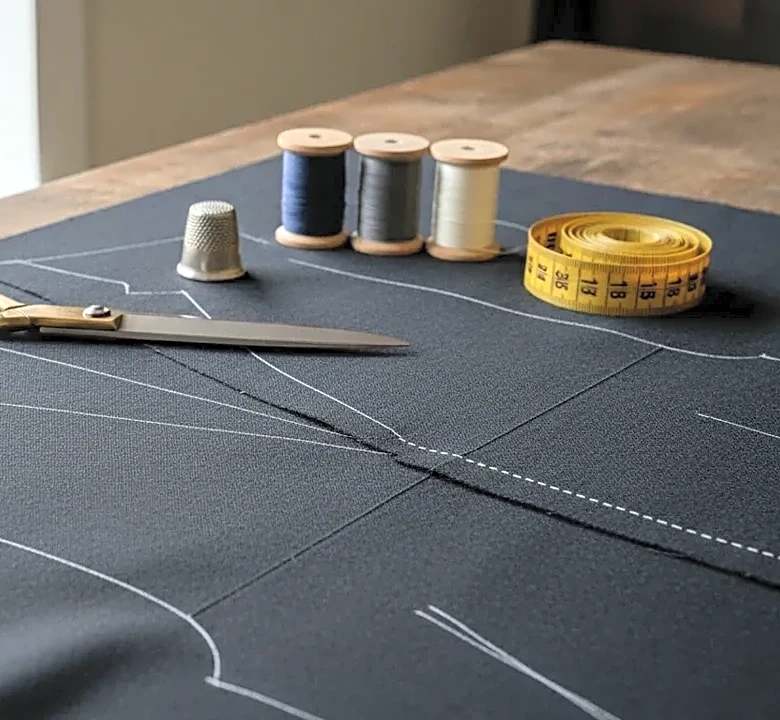
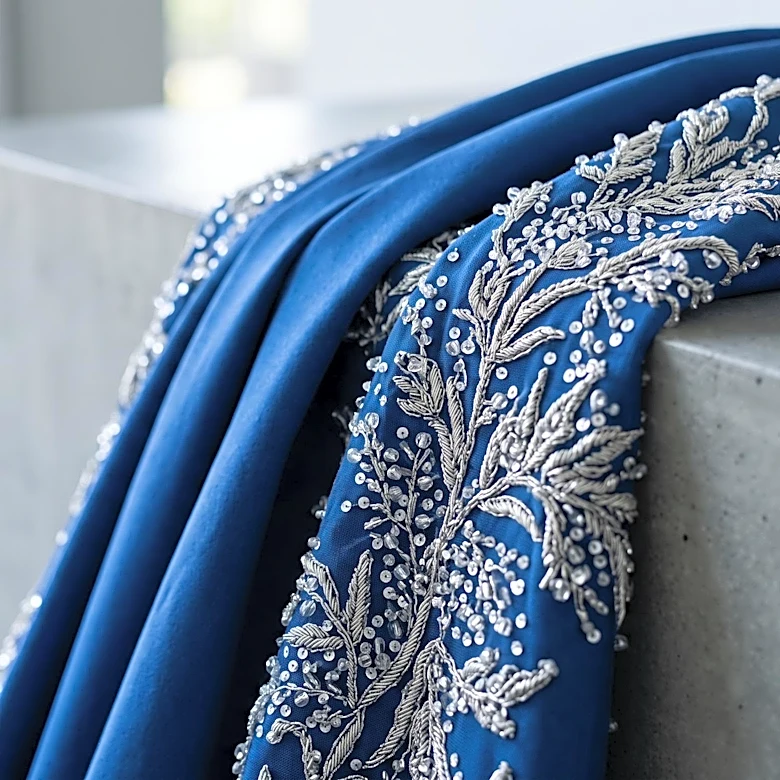
This meant a foundation of timeless, high-quality basics: tailored trousers, crisp shirts, and luxurious knits in a palette of beige, navy, camel, and black. The focus has always been on exceptional fabrics and a flawless fit, with an intentional rejection of flashy logos or trend-driven details. It’s a quiet luxury, where a simple t-shirt could be the most expensive item in an outfit, revealing confidence through its very simplicity. Accessories are chosen with intention—a classic leather bag, simple gold jewelry—to complement, never to overpower.
A Technicolor Takeover on the Cobblestones
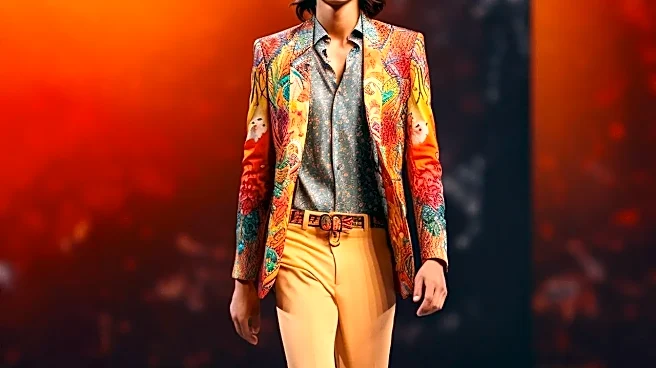
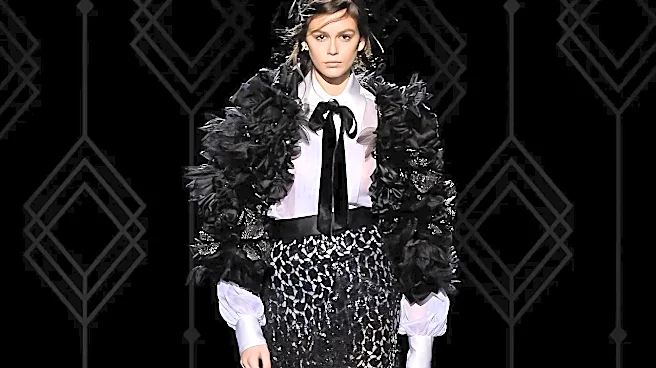
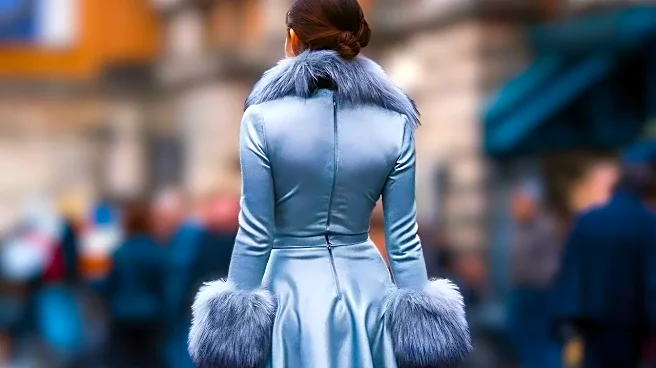
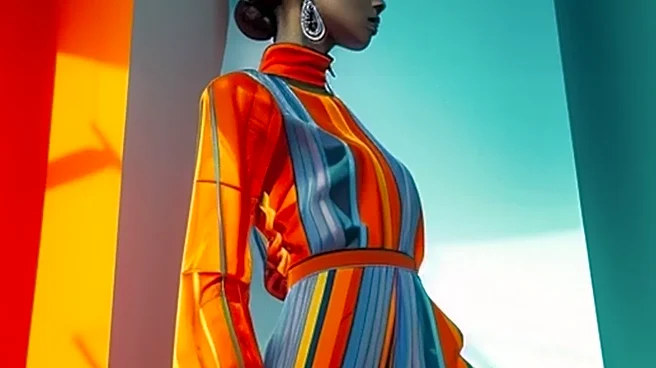
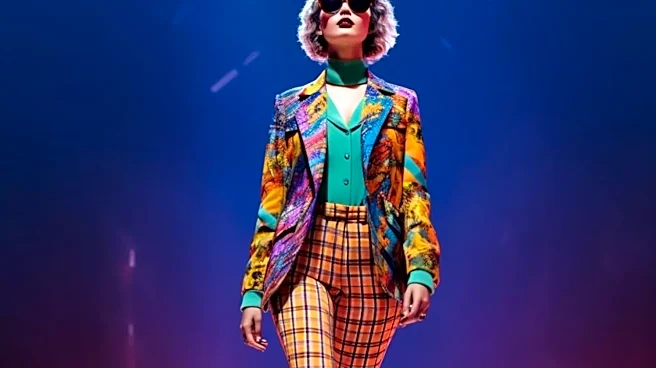
This September, however, the streets outside the Spring/Summer 2027 shows tell a different story. The quiet, neutral palette has been challenged by a wave of unapologetic color and pattern. Recent street style reports from Milan show a pivot towards what some call "dopamine dressing." Think tomato red, which has become so prevalent it's being dubbed a new neutral. Think clashing animal prints, bold checks, and exaggerated silhouettes that play with proportion in a way that defies minimalist politeness. Accessories are no longer quiet supporters; they are the main event. Layered necklaces, stacked cuffs, and statement brooches are being used to add intentional visual richness. Even leather, a longtime Italian staple, is being seen less in its sleek, polished form and more in matte finishes or paired with avant-garde shapes.
From Quiet Luxury to Expressive Individualism
So, why the shift? This isn't just a seasonal trend; it's a cultural pivot. After years dominated by the clean, logo-free aesthetic of "quiet luxury," there's a growing appetite for more expressive, personality-driven fashion. This movement isn't just about adding clutter; it's a rejection of sameness. In a world saturated with algorithmically generated content and aesthetics, there's a renewed craving for human-centric style that feels authentic and even a little imperfect. The rise of maximalism is a conscious choice to be seen and to communicate joy and confidence visually. It reflects a broader desire to move past restraint and embrace a more layered, textured, and individualistic approach to getting dressed, trading understated elegance for something more vibrant and personal.
Not a Rejection, But an Evolution
To say Milan has abandoned its roots would be wrong. Instead, it’s expanding its definition of elegance. The core tenets of Italian style—quality craftsmanship, confidence, and an appreciation for beautiful things—are still very much present. What’s changing is the execution. The new maximalism seen on Milan's streets isn’t about chaos for chaos’s sake; it’s about a more dynamic and inclusive form of self-expression. The well-made leather bag is still there, but now it might be bright red or covered in maximalist fringe. The tailored coat remains, but it might be thrown over an outfit of clashing prints. This isn't a funeral for minimalism, but rather a sign that Milanese style is becoming a conversation between its polished past and a more eclectic, globalized present.