



The Asymmetrical Anomaly
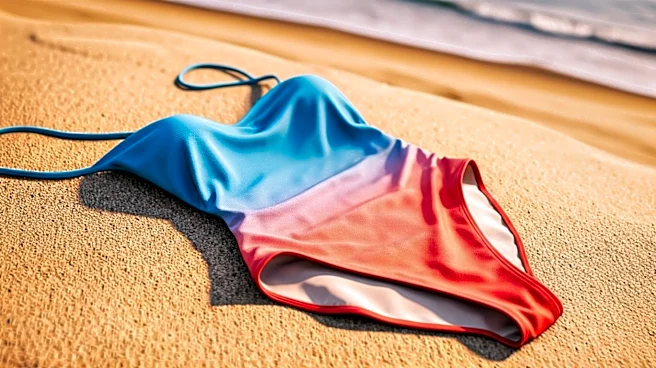
While plunging V-necks and classic scoops have their moments, the neckline that currently has fashion editors taking notes is the asymmetrical one-shoulder. At first glance, it might seem like just another style choice. But in the grammar of fashion,
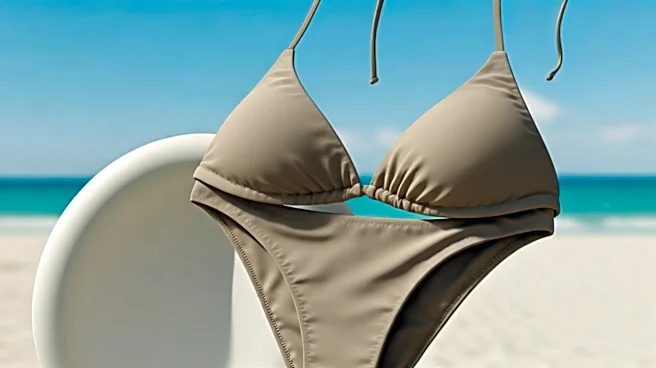
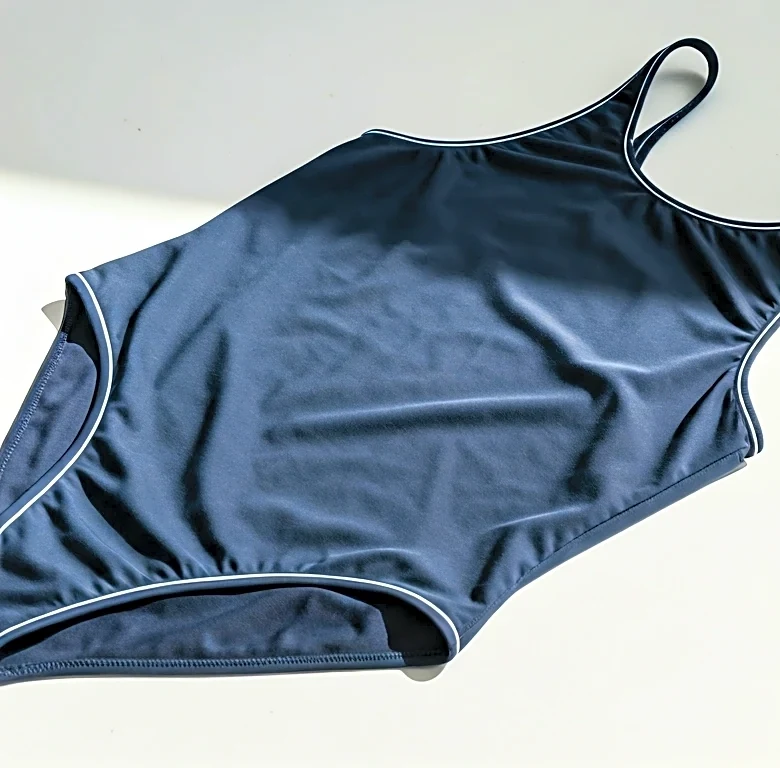
it’s a full sentence. Unlike a simple string bikini, which can be produced quickly and cheaply, the one-shoulder silhouette requires more thoughtful design, better construction, and more sophisticated fabric to provide support and hold its shape. Its rise from a niche style to a mainstream staple is a telltale sign of a broader shift in consumer appetite and design direction.
From Utilitarian to Architectural
The significance of the one-shoulder neckline lies in what it represents: the evolution of swimwear from purely functional beach attire to a legitimate fashion statement. Think of a triangle bikini as the T-shirt of the swim world—simple, effective, and universal. The asymmetrical suit, by contrast, is more like a structured blazer. It has form, intent, and an architectural quality. Its popularity indicates that consumers are no longer just buying a swimsuit for swimming; they're buying a versatile piece that can be styled as a bodysuit and worn from the pool to a dinner reservation. This desire for versatility and longevity is a key indicator of a more mindful consumer, one who values design and multi-functionality over disposable, fast-fashion trends.
A Barometer of Confidence
On a macro level, the dominance of a more complex neckline is also a subtle economic and cultural barometer. Creating these suits is more expensive. They require more fabric, internal support structures like boning or shelving, and a higher level of pattern-making skill. When brands feel confident investing in these more complex designs, and when consumers are willing to pay a higher price for them, it signals a degree of optimism in the market. It suggests a move away from the safety of minimalist, recession-era aesthetics towards a period of more expressive, confident, and even dramatic personal style. The neckline isn’t just holding up the suit; it’s holding up a mirror to the collective mood.
What It Predicts for Your Closet
So, what does the one-shoulder’s reign in swimwear forecast for ready-to-wear fashion? The translation is often quite direct. When a silhouette proves popular and flattering in the notoriously difficult category of swimwear, designers take note. The success of the asymmetrical line predicts a continued emphasis on interesting shoulder details in dresses, tops, and even knitwear for seasons to come. Expect to see more one-shoulder tops, cut-outs that play with asymmetry, and a general focus on the décolletage as a focal point for design. The clean, graphic line of the one-shoulder cut also signals a broader appreciation for sculptural, modernist shapes over frilly or bohemian aesthetics. It’s a forecast for clothes that are intentional, modern, and quietly powerful.