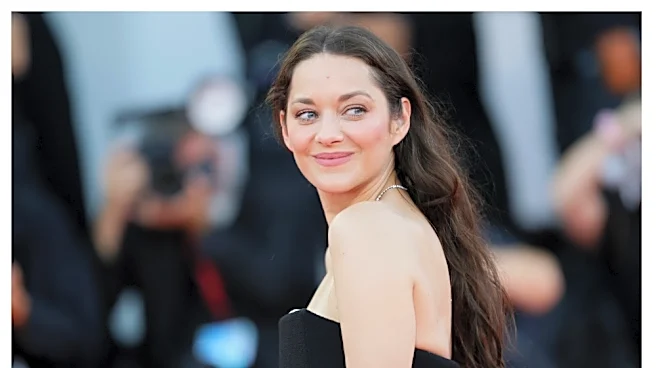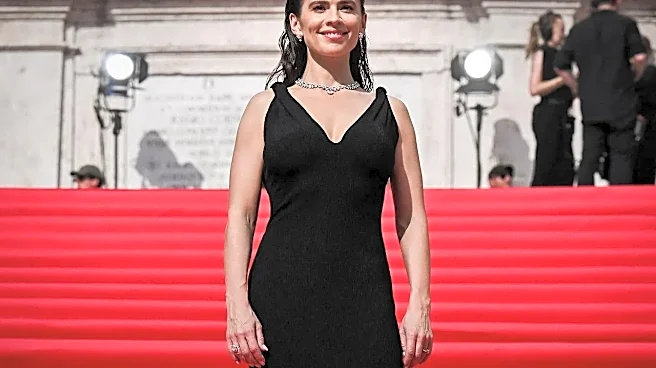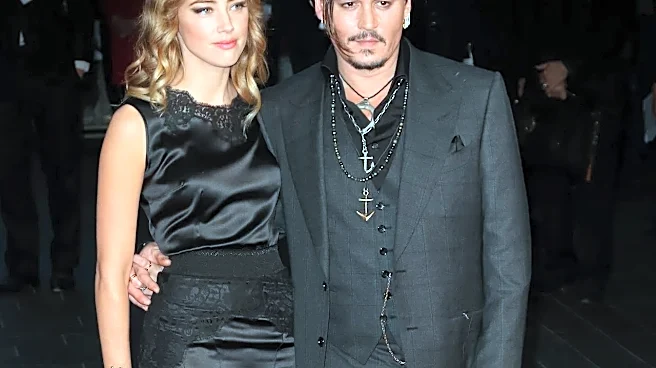








It All Starts with the Weave
First, a quick clarification: satin isn't a type of fiber, it's a type of weave. You can have silk satin, polyester satin, or acetate satin. The magic is in the construction. In a satin weave, long threads "float" across several perpendicular threads before
interlacing. This creates a very smooth, uninterrupted surface with minimal texture. That continuous, flat plane is what gives satin its signature high luster and sheen; there are fewer points to scatter light, so it reflects more uniformly, almost like a mirror.
Enter the Paparazzi Flash
Now, consider the light source on a red carpet: a barrage of on-camera flashes. Unlike soft, diffused studio lighting, a camera flash is a harsh, direct, and intense burst of light. It comes from a point source very close to the camera lens and travels in a straight line to the subject. Think of it as a spotlight versus the gentle glow of an overcast day. This type of lighting is notoriously unforgiving, as it creates sharp, dark shadows and bright, concentrated highlights. Professional photographers try to avoid direct on-camera flash whenever possible, but on a chaotic red carpet, it's the fastest way to get a shot.
The Unflattering Collision
When the harsh light from a flash hits the mirror-like surface of a satin gown, a few things happen. The fabric’s reflective quality bounces that intense light directly back into the camera lens, creating what photographers call "specular highlights" or "hot spots." These are the glaring white patches that can make a dress look cheap or shiny in all the wrong ways. These hot spots can blow out all the detail in that area, effectively erasing the fabric's texture and altering its color. At the same time, this intense reflection exaggerates every single crease, wrinkle, and pull in the fabric. Even a perfectly tailored gown can suddenly look crumpled, as the hard shadows cast by the flash define every tiny fold. This is why a dress that seems fluid and graceful in person can appear stiff and ill-fitting in a photograph.
A High-Stakes Gamble for Stylists
Given the risks, why do stylists and designers still reach for satin? Because when it works, it’s magic. In the right light, nothing drapes or shines quite like it, conveying pure luxury and elegance. The key is controlling the light, something that is nearly impossible on a red carpet. Fabrics with matte finishes, like crepe or certain wools, absorb light rather than reflecting it, which is why they tend to photograph more consistently and cleanly. However, the allure of satin's liquid-like movement and rich sheen often proves irresistible. Choosing a satin with a lower sheen, or a cut that minimizes large, flat surfaces, can sometimes mitigate the effect. For celebrities at events like the Venice Film Festival, wearing satin is a high-stakes gamble between looking effortlessly glamorous or becoming a victim of physics.