
The Allure of Glass Skin
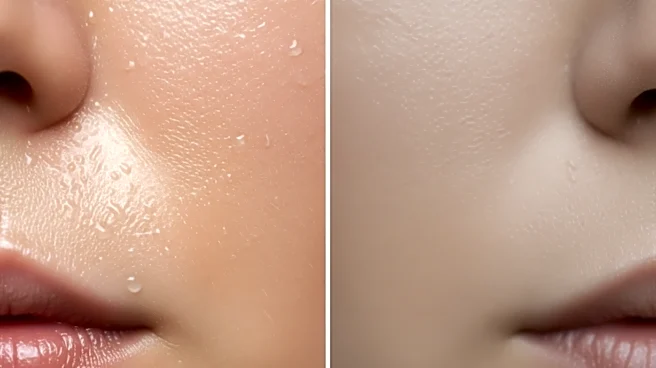
Born from Korean beauty trends, glass skin is all about a complexion that looks poreless, luminous, and intensely hydrated—like a piece of flawless glass. The goal is a healthy, lit-from-within glow that looks fresh
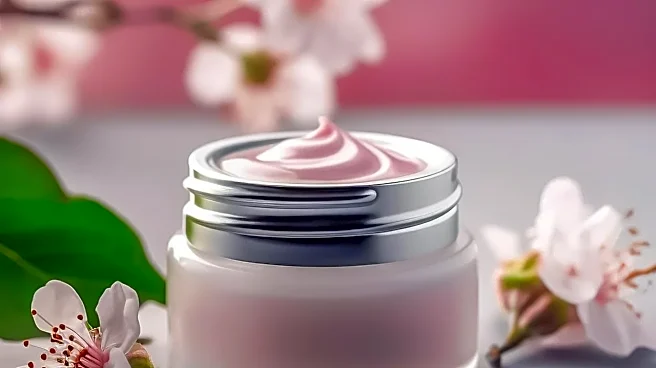
and youthful. This is achieved not just with makeup, but with a hydration-focused skincare routine using serums and moisturizers to create a plump, dewy canvas. Makeup then enhances this, using lightweight, radiant foundations, liquid highlighters, and creamy blushes to build a reflective, almost wet-looking finish. In everyday life, it’s stunning, suggesting incredible skin health and a minimalist-chic vibe.
Glass Skin Under Pressure
Here's the tough reality: arena lights are not kind. They are hot, intense, and designed to illuminate performers from a distance, which can flatten features and exaggerate shine. For a glass skin look, this is a double-edged sword. While the goal is a glow, harsh lights can turn a strategic sheen into what looks like a greasy mess. The heat and sweat from the crowd and lights can cause dewy products to slide, settle into lines, or disappear entirely. That meticulously crafted glow can quickly become an uncontrolled oil slick, especially for those with combination or oily skin. While beautiful, this high-maintenance look requires frequent touch-ups, which are nearly impossible in a packed standing-room-only section.
The Soft-Matte Stronghold
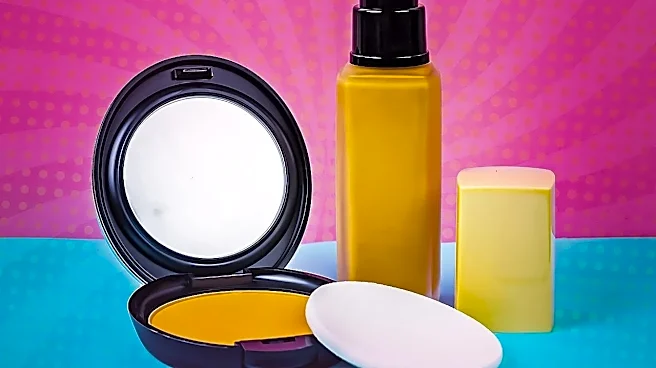
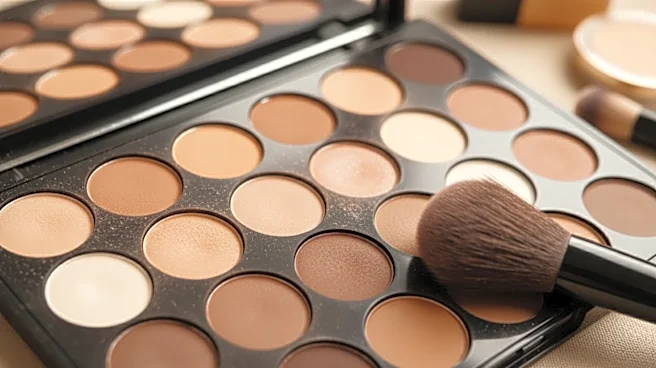
A soft-matte finish is glass skin’s more dependable cousin. It offers a smooth, velvety complexion that blurs pores and controls shine without looking flat or heavy like traditional matte makeup. Modern matte formulas are designed for long wear and often have oil-absorbing properties, making them ideal for long days or high-energy events. This finish provides a more airbrushed, polished look that stands up well to photography and, crucially, intense lighting. It creates a uniform canvas that won't compete with the dramatic, often colorful stage lights, ensuring your features remain defined.
Soft-Matte Under Pressure
Durability is where the soft-matta look truly shines. Because matte products are designed to stay put and control oil, they are far more resistant to sweat and humidity. This means less slipping, less fading, and a much lower chance of looking overly shiny as the night goes on. However, the key is balance. An overly matte face can look lifeless under flattening stage lights. The modern “soft-matte” approach avoids this by using hydrating prep and incorporating dimension through contour and blush rather than shimmer. While it doesn't offer the instant, juicy glow of glass skin, its resilience makes it a far safer bet for an environment where sweat is a given and touch-up mirrors are a fantasy.
The Verdict: Soft-Matte Takes the Stage
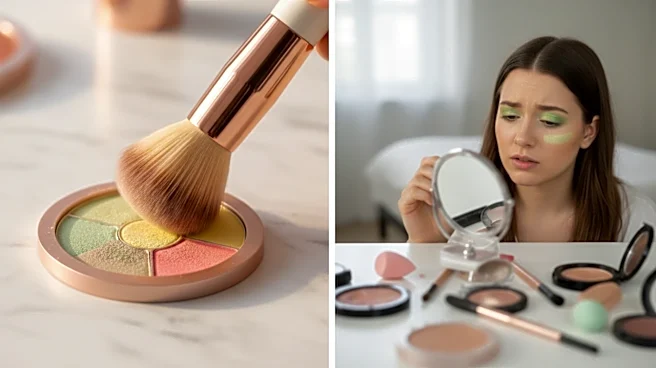
For an arena show, a soft-matte finish is the clear winner for reliability and performance. Its ability to control shine, blur texture, and withstand heat and sweat makes it the most practical choice. Strong stage lights wash out features, and a matte canvas allows for the strategic use of contour and color to bring back dimension that a dewy look might obscure with uncontrolled shine. You get the longevity and flaw-blurring benefits without worrying that your face will melt off before the headliner even comes on. While glass skin is gorgeous for a dinner or a less strenuous event, the high-stakes environment of an arena demands a finish that’s built to last.
Tips for Arena-Proof Makeup
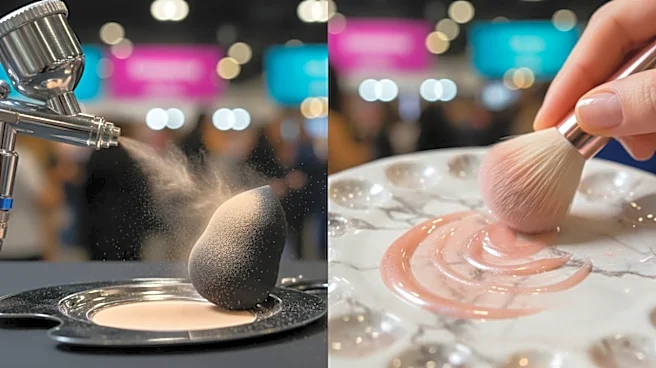
Whichever look you choose, a few pro tips can boost its staying power. First, skin prep is everything. Use a lightweight, hydrating moisturizer even for matte looks to prevent dryness. Second, use a primer designed for longevity or oil control. Apply products in thin, buildable layers—this helps them adhere better. For a soft-matte look, use a setting powder strategically on your T-zone and under your eyes. Finally, finish with a generous mist of a long-wear setting spray to lock everything in place. Some artists even recommend spraying between layers of cream and powder products for maximum hold.