

It's Not Just Dandruff
First, let's clear up a common misconception. Dry scalp and dandruff are not the same thing, and they require different treatments. Dandruff is typically caused by an excess of oil on the scalp, which leads to a buildup of skin cells and creates an environment
for yeast to thrive. The resulting flakes are often larger, yellowish, and feel oily. A dry scalp, on the other hand, is a simple lack of moisture. The skin is dehydrated, leading to irritation and shedding small, white, dry flakes. If you have dry skin on other parts of your body, there’s a good chance your flaky scalp is also due to dryness. Using a harsh, anti-dandruff shampoo on a dry scalp can strip away its natural oils, making the problem even worse.
The Foundation of Healthy Hair
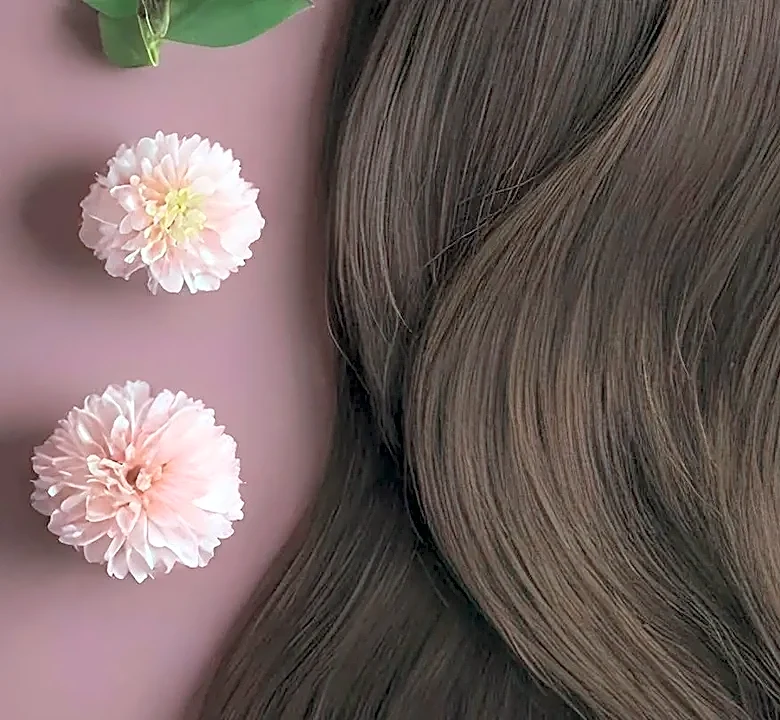
Think of your scalp as the soil from which your hair grows. If that soil is dry and unhealthy, you can't expect to grow a thriving garden. A chronically dry scalp is an inflamed and unbalanced environment. This persistent irritation can weaken the hair follicle, leading to hair that is brittle, dull, and more prone to breakage. In some cases, the constant urge to scratch a dry, itchy scalp can cause mechanical damage to the follicles, leading to inflammation and even temporary hair loss. An unhealthy scalp can disrupt the hair's natural growth cycle, meaning that ignoring those flakes could be compromising the health and density of your hair over time.
Why Your Stylist Might Not Mention It
While many hair stylists are incredibly knowledgeable, their primary training is in the art of cutting, coloring, and styling hair—not diagnosing skin conditions. Cosmetology school often focuses on the hair shaft itself, with less emphasis on the complex biology of the scalp, which is the domain of dermatologists and trichologists. As a result, a salon visit might focus on services that improve the appearance of your hair, while the underlying scalp issue is overlooked or addressed with a generic moisturizing mask that offers only temporary relief. Unless a stylist has pursued specialized training in scalp health, they may not be equipped to offer a targeted solution and may rightly feel it's outside their professional boundary to diagnose the issue.
An Action Plan for Real Relief
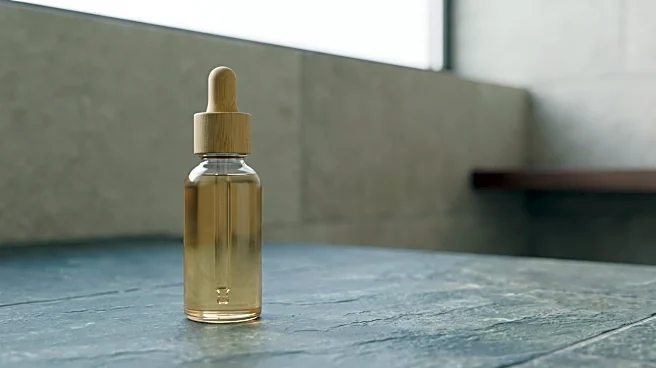
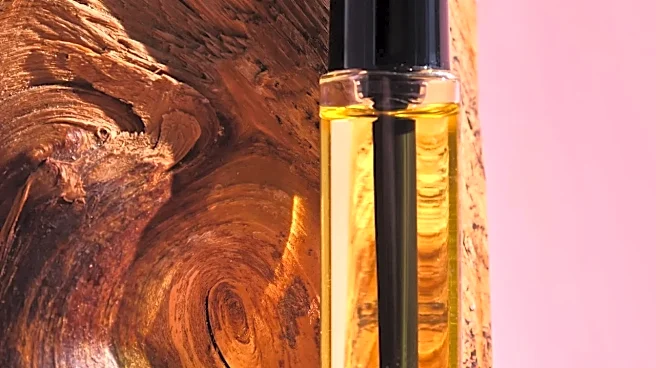
Restoring moisture to your scalp requires a two-pronged approach: removing irritants and adding hydration. Start by switching to a gentle, sulfate-free shampoo to avoid stripping the scalp’s natural moisture barrier. Turning the water temperature down from hot to lukewarm can also make a significant difference. To actively add moisture, consider pre-shampoo treatments with natural oils like coconut or jojoba, which can nourish the skin. Look for scalp serums and leave-in treatments with hydrating ingredients like hyaluronic acid, glycerin, or aloe vera to soothe and moisturize the skin directly. Gentle exfoliation with a scalp scrub or soft brush can also help by removing dead skin, allowing hydrating products to penetrate more effectively. Finally, don't forget that scalp health is linked to overall health; staying hydrated by drinking enough water is a crucial, foundational step.