


The Allure of the Untouched
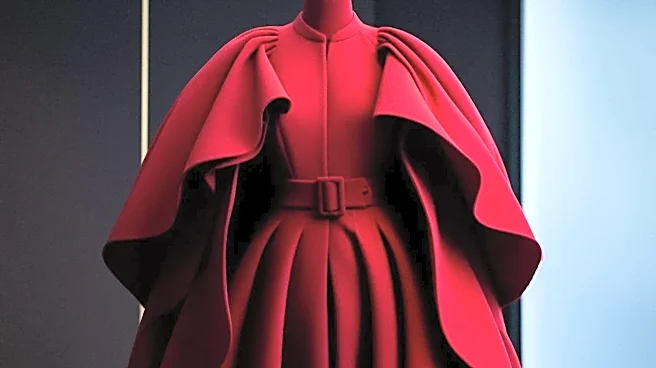
The fantasy of a custom dress is undeniable. It represents a collaboration between a star and a designer, resulting in a garment tailored to exact measurements and personal style. This process ensures a perfect, comfortable fit and a look that is, by
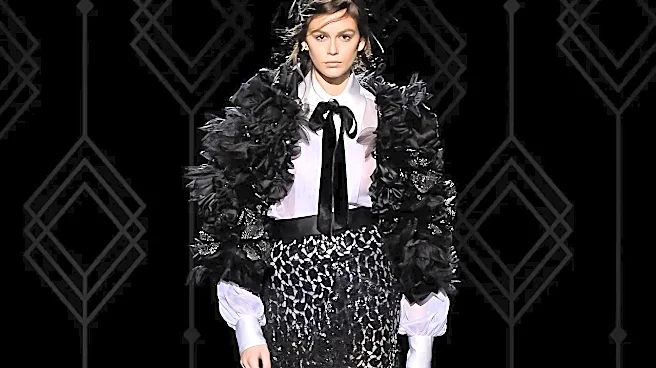
definition, unique to the wearer. There's a certain power in knowing you are the first and only person to wear a specific creation, a piece of art brought to life just for you. This has long been the standard for A-list events, where newness was once synonymous with influence. A celebrity in a fresh-off-the-runway or bespoke look wasn't just wearing a dress; they were signaling their place at the forefront of fashion.
The Power of a Past
In an era of endless newness, however, the ultimate flex is no longer what’s next, but what’s rare. Archival fashion—significant pieces from past collections—offers something a new dress cannot: a story. When Zendaya wears a 1956 Balmain couture gown or a vintage Versace piece from the year she was born, she’s not just picking a dress; she and her stylist Law Roach are curating a moment steeped in history. These garments connect the wearer to a designer's legacy, a specific cultural era, and sometimes even a previous iconic wearer, creating a narrative that resonates beyond the red carpet. This act transforms an outfit into a statement of cultural literacy and respect for craftsmanship.
Redefining Exclusivity
Ironically, in a world saturated with luxury goods, true exclusivity has become harder to find. While many top-tier celebrities can commission a custom gown, only one person can wear a specific, preserved-in-time archival piece from a legendary collection. Finding and securing a vintage Thierry Mugler robot suit, as Zendaya did for the 'Dune: Part Two' premiere, or a rare Givenchy by John Galliano gown is a feat of fashion scholarship and connections. This rarity has become the new status symbol. It signals that the wearer’s team has the knowledge and access to pull something irreplaceable, creating a moment that can’t be replicated.
A Smarter, More Sustainable Statement
The rise of archival dressing also aligns with a growing consciousness around sustainability. Choosing a vintage piece is an inherently eco-friendly act, reducing waste and the demand for new production in an industry often criticized for its environmental impact. For stars like Cate Blanchett, who often re-wears pieces from her own closet, or Zendaya, who chose vintage Versace for a green-carpet event, it’s a way to merge high fashion with a powerful message. This move reframes clothing not as disposable, but as something precious to be preserved, challenging the fast-fashion cycle of constant consumption.
The Risks and Rewards
Opting for an archival piece is not without its challenges. These garments are often incredibly fragile, and require museum-level care and handling. Finding a piece that fits perfectly is a major hurdle, and the pressure of wearing an irreplaceable artifact can be immense, as seen in the controversy surrounding Kim Kardashian wearing Marilyn Monroe's iconic dress. A custom gown, by contrast, is a safer, more controlled option. Yet, the reward for a successful archival moment is often far greater. It generates buzz, earns respect from fashion insiders, and cements a star's reputation not just as a celebrity, but as a true fashion force.